- BPM
- 60
- Key
- E Minor
- Camelot
- 9A
Orpheus, Scene II: Dance of the Furies by London Symphony Orchestra, Robert Craft Song Details
"Orpheus, Scene II: Dance of the Furies" by London Symphony Orchestra, Robert Craft had its release date on May 1, 2005. The duration of This song is about 3 minutes long, at 3:00. Based on our data, This song appears to be safe for all ages and is not considered explicit. This track is about the average length of a typical track. There are a total of 39 in the song's album "Stravinsky: Apollo - Agon - Orpheus". In this album, this song's track order is #31. Furthermore, we believe that the track originated from Hong Kong. Orpheus, Scene II: Dance of the Furies is unknown right now. In our opinion, the overall tone is not very danceable and projects negative sounds, such as being sad, depressed, or angry.
BPM and Tempo
With Orpheus, Scene II: Dance of the Furies by London Symphony Orchestra, Robert Craft having a BPM of 60 with a half-time of 30 BPM and a double-time of 120 BPM, we would consider this track to have a Lento (slowly) tempo marking. Because of this, we believe that the song has an overall slow tempo. The time signature for this track is 4/4.
Music Key
This song is in the music key of E Minor. Which also means that the camelot key for this song is 9A. So, the perfect camelot match for 9A would be either 9A or 8B. While, a low energy boost can consist of either 9B or 10A. For moderate energy boost, you would use 6A and a high energy boost can either be 11A or 4A. However, if you are looking for a low energy drop, finding a song with a camelot key of 8A would be a great choice. Where 12A would give you a moderate drop, and 7A or 2A would be a high energy drop. Lastly, 12B allows you to change the mood.
Want to find the BPM and music key for other songs? Check out our BPM and Key Finder page!
- Popularity
- 0%
- Loudness
- -38.001 dB
- Acousticness
- 99%
- Danceability
- 16%
- Energy
- 0%
- Instrumentalness
- 64%
- Liveness
- 8%
- Loudness
- 37%
- Speechiness
- 4%
- Valence
- 14%
Recommendations
| Track | Artist | Key | Energy | Camelot | BPM | ||
|---|---|---|---|---|---|---|---|
 | Symphony No.9 in E minor, Op.95 "From the New World": 3. Scherzo (Molto vivace) | Antonín Dvořák, Cleveland Orchestra, Christoph von Dohnányi | E Minor | 1 | 9A | 127 BPM | |
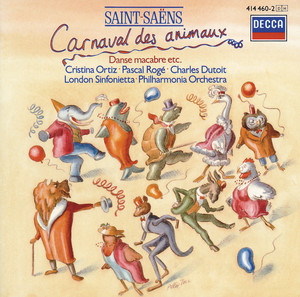 | Le carnaval des animaux, R. 125: VII. Aquarium | Camille Saint-Saëns, Pascal Rogé, Cristina Ortiz, London Sinfonietta, Charles Dutoit | A Minor | 0 | 8A | 136 BPM | |
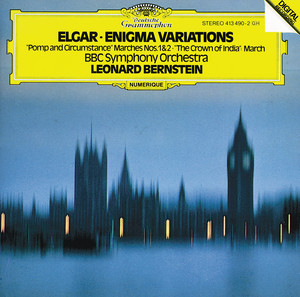 | "Pomp and Circumstance," Op.39: March, No.1 in D | Edward Elgar, BBC Symphony Orchestra, Leonard Bernstein | D Major | 3 | 10B | 72 BPM | |
| Enigma Variations, Op. 36: Var. 1. L'istesso tempo "C.A.E." | Edward Elgar, BBC Symphony Orchestra, Leonard Bernstein | G Minor | 0 | 6A | 81 BPM | |
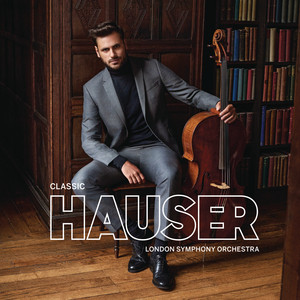 | Nessun Dorma | Giacomo Puccini, HAUSER, London Symphony Orchestra, Robert Ziegler | D Major | 5 | 10B | 96 BPM | |
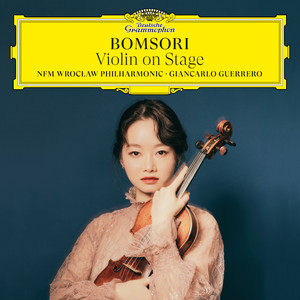 | Thaïs: Méditation | Jules Massenet, Bomsori, NFM Wrocław Philharmonic, Giancarlo Guerrero | D Major | 0 | 10B | 84 BPM | |
 | Shéhérazade, Op. 35: III. The Young Prince and the Young Princess | Nikolai Rimsky-Korsakov, Sergej Galaktionov, Gianandrea Noseda, Filarmonica Teatro Regio Torino | G Major | 0 | 9B | 103 BPM | |
 | Symphony No. 2: III. Adagio | Sergei Rachmaninoff, Valery Gergiev, London Symphony Orchestra | A Major | 0 | 11B | 70 BPM | |
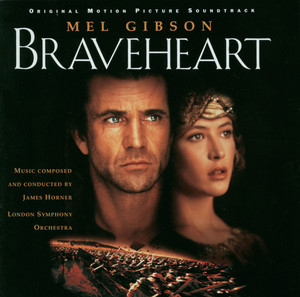 | Freedom / The Execution Bannockburn | James Horner, London Symphony Orchestra | D Major | 1 | 10B | 123 BPM | |
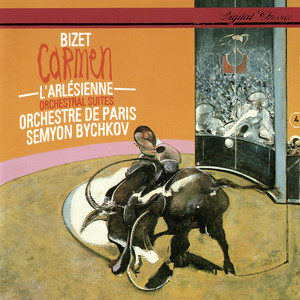 | Carmen Suite No. 1: 1. Prélude | Georges Bizet, Orchestre de Paris, Semyon Bychkov | A Minor | 1 | 8A | 96 BPM | |
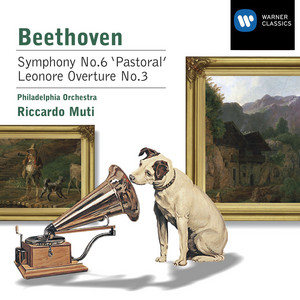 | Beethoven: Symphony No. 6 in F Major, Op. 68 "Pastoral": III. Lustiges Zusammensein der Landleute. Allegro | Ludwig van Beethoven, Philadelphia Orchestra, Riccardo Muti | D Minor | 3 | 7A | 107 BPM | |
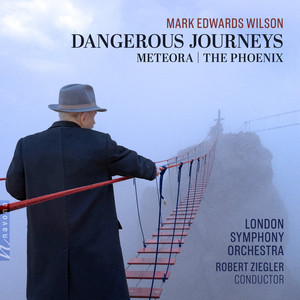 | Dangerous Journeys: I. White Water | Mark Edwards Wilson, London Symphony Orchestra, Benjamin Marquis Gilmore, Robert Ziegler | E Major | 2 | 12B | 143 BPM | |
 | Gold Und Silber (Gold And Silver), Op. 79 | Slovak Radio Symphony Orchestra, Franz Lehár | C Major | 1 | 8B | 81 BPM | |
 | The Thieving Magpie: Overture | London Symphony Orchestra, Philip Simms | E Major | 1 | 12B | 167 BPM | |
 | Das Rheingold: Entry of the Gods into Valhalla | Richard Wagner, George Szell, The Cleveland Orchestra | D♭ Major | 1 | 3B | 85 BPM | |
 | Le roi s'amuse: Pavane | Léo Delibes, Slovak Philharmonic, Ondrej Lenard | B♭ Major | 0 | 6B | 91 BPM | |
 | Theme (From "Pirates of the Caribbean") | Royal Liverpool Philharmonic Orchestra, Carl Davis | D Minor | 5 | 7A | 103 BPM | |
 | Grieg: Peer Gynt, Op. 23, Act 4: No. 13, Prelude. Morning Mood | Edvard Grieg, Sir Neville Marriner, Academy of St. Martin in the Fields | E Major | 0 | 12B | 137 BPM | |
 | Rigoletto / Act 3: "La donna è mobile" | Giuseppe Verdi, Luciano Pavarotti, London Symphony Orchestra, Richard Bonynge | F♯ Major | 1 | 2B | 66 BPM | |
 | Rage Over A Lost Penny, Op. 129 | Valentina Lisitsa | G Major | 2 | 9B | 80 BPM | |
 | La Traviata / Act 1: Prelude | Giuseppe Verdi, Bavarian State Orchestra, Carlos Kleiber | B Major | 0 | 1B | 131 BPM | |
 | Clarinet Concerto in A Major, K. 622: II. Adagio | Wolfgang Amadeus Mozart, Andrew Marriner, Jaime Martin, London Symphony Orchestra | G Major | 2 | 9B | 197 BPM | |
 | William Tell Overture | Arthur Fiedler, Gioachino Rossini, Boston Pops Orchestra | E Major | 2 | 12B | 143 BPM | |
 | Fairytale | Harry Gregson-Williams, John Powell | A♭ Major | 2 | 4B | 83 BPM | |
 | Piano Concerto No. 2, Allegro,Opus 102 | Chicago Symphony Orchestra | B♭ Major | 3 | 6B | 144 BPM |
- ISRC
- HKI190511131
- Label
- L-M Records/RCA Records