- BPM
- 140
- Key
- A Major
- Camelot
- 11B
Delius: Brigg Fair "An English Rhapsody": Variation IV by Frederick Delius, Sir Thomas Beecham, Royal Philharmonic Orchestra Song Details
"Delius: Brigg Fair "An English Rhapsody": Variation IV" by Frederick Delius, Sir Thomas Beecham, Royal Philharmonic Orchestra had its release date on February 7, 2011. With This song being less than a minute long, we are pretty confident that this song does not contain any foul language. That being said, this song is pretty short compared to other songs. There are a total of 88 in the song's album "Sir Thomas Beecham: The English Collection". In this album, this song's track order is #8. Furthermore, we believe that the track originated from United Kingdom. Based on our statistics, Delius: Brigg Fair "An English Rhapsody": Variation IV's popularity is unknown right now. In our opinion, the overall tone is not very danceable and projects negative sounds, such as being sad, depressed, or angry.
BPM and Tempo
With Delius: Brigg Fair "An English Rhapsody": Variation IV by Frederick Delius, Sir Thomas Beecham, Royal Philharmonic Orchestra having a BPM of 140 with a half-time of 70 BPM and a double-time of 280 BPM, we would consider this track to have a Allegro (fast, quick, and bright) tempo marking. Because of this, we believe that the song has an overall fast tempo. Looking at the BPM of this song, this song might go great with jogging or cycling. The time signature for this track is 1/4.
Music Key
A Major is the music key of this track. Or for those who are familiar with the camelot wheel, this song has a camelot key of 11B. So, the perfect camelot match for 11B would be either 11B or 12A. While, 12B can give you a low energy boost. For moderate energy boost, you would use 8B and a high energy boost can either be 1B or 6B. Though, if you want a low energy drop, you should looking for songs with either a camelot key of 11A or 10B will give you a low energy drop, 2B would be a moderate one, and 9B or 4B would be a high energy drop. Lastly, 8A allows you to change the mood.
Want to find the BPM and music key for other songs? Check out our BPM and Key Finder page!
- Popularity
- 0%
- Loudness
- -16.492 dB
- Acousticness
- 88%
- Danceability
- 16%
- Energy
- 12%
- Instrumentalness
- 92%
- Liveness
- 14%
- Loudness
- 73%
- Speechiness
- 4%
- Valence
- 4%
Recommendations
| Track | Artist | Key | Energy | Camelot | BPM | ||
|---|---|---|---|---|---|---|---|
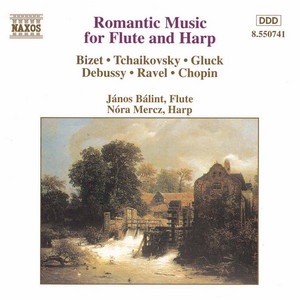 | Piece en forme de habanera (arr. N. Mercz): Vocalise-etude en forme de habanera | Nora Mercz, Maurice Ravel, Janos Balint | G Minor | 0 | 6A | 70 BPM | |
 | Symphony No. 1, "Afro-american": Ii. Sorrow (Adagio) | William Grant Still, Fort Smith Symphony | F Major | 0 | 7B | 55 BPM | |
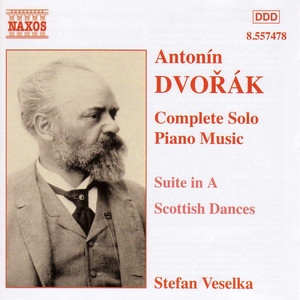 | 2 Pieces, Op. Posth., B. 188: No. 1, Lullaby in G Major | Antonín Dvořák, Stefan Veselka | G Major | 0 | 9B | 66 BPM | |
 | Delius: 2 Pieces for Small Orchestra: No. 1, On Hearing the First Cuckoo in Spring | Frederick Delius, Vernon Handley, London Philharmonic Orchestra | A Minor | 2 | 8A | 130 BPM | |
 | Valse triste, Op. 44 No. 1 | Jean Sibelius, Berliner Philharmoniker, Herbert von Karajan | G Major | 0 | 9B | 78 BPM | |
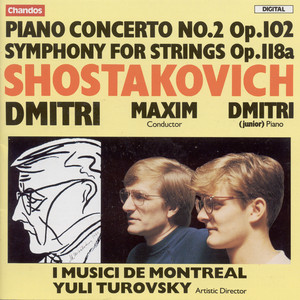 | Piano Concerto No. 2 in F Major, Op. 102: II. Andante | Dmitri Shostakovich, I Musici de Montréal, Maxim Shostakovich | C Minor | 0 | 5A | 177 BPM | |
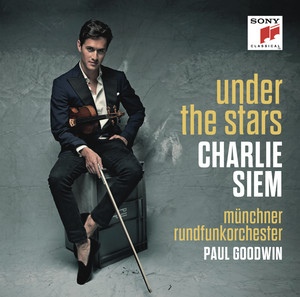 | The Gadfly Suite, Op. 97a: No. 8 Romance | Dmitri Shostakovich, Charlie Siem, Munich Radio Orchestra, Paul Goodwin | D♭ Major | 1 | 3B | 133 BPM | |
 | Morgen, Op. 27 No. 4 (Arr. Reger for Piano) | Richard Strauss, Angela Hewitt | A Major | 2 | 11B | 143 BPM | |
 | Mélancolie | Francis Poulenc, Alexandre Tharaud | D Major | 1 | 10B | 70 BPM | |
 | Messiah, HWV 56, Pt. I: Pastoral Symphony, "Pifa" (Arr. L. Stokowski) | George Frideric Handel, Bournemouth Symphony Orchestra, José Serebrier | C Major | 0 | 8B | 84 BPM | |
 | 6 Studies in English Folksong (Version for Cello & Piano): No. 3, Larghetto "Van Dieman's Land" | Ralph Vaughan Williams, Gerald Peregrine, Antony Ingham | D Minor | 0 | 7A | 81 BPM | |
 | Bruch : Violin Concerto No.1 in G minor Op.26 : III Finale - Allegro energico | Max Bruch, Maxim Vengerov, Kurt Masur, Gewandhausorchester Leipzig | G Major | 2 | 9B | 90 BPM | |
 | Brook Green Suite: II. Air | Gustav Holst, English Sinfonia, Howard Griffiths | E♭ Major | 0 | 5B | 128 BPM | |
 | A Village Romeo and Juliet: The Walk to the Paradise Garden | Frederick Delius, Royal Scottish National Orchestra, David Lloyd-Jones | E Major | 0 | 12B | 70 BPM | |
 | Khachaturian: Spartacus (Highlights from the Ballet): Adagio of Spartacus and Phrygia | Aram Khachaturian, London Symphony Orchestra | A♭ Major | 1 | 4B | 88 BPM | |
 | Holberg Suite, Op. 40: II. Sarabande. Andante | Edvard Grieg, Gothenburg Symphony Orchestra, Neeme Järvi | G Major | 0 | 9B | 75 BPM | |
 | Phantasy Quintet: III. Alla Sarabanda: Lento | Ralph Vaughan Williams, Garfield Jackson, Maggini Quartet | E♭ Minor | 10 | 2A | 123 BPM | |
 | Cradle Song | Gordon Jacob, RTE Concert Orchestra, Ernest Tomlinson | F Major | 0 | 7B | 72 BPM | |
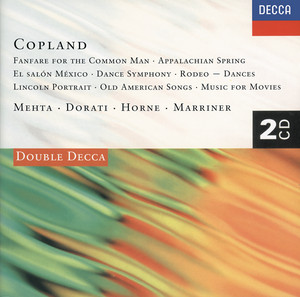 | Appalachian Spring Suite: I. Very Slowly | Aaron Copland, Los Angeles Philharmonic, Zubin Mehta | A Major | 0 | 11B | 71 BPM | |
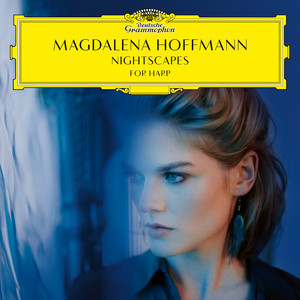 | Nocturne in B Flat Major, H. 37 (Version for Harp) | John Field, Magdalena Hoffmann | B♭ Major | 1 | 6B | 97 BPM | |
 | Suite: Graceful Dance | Ernest Tomlinson, Royal Northern Sinfonia, David Lloyd-Jones | D Major | 3 | 10B | 133 BPM | |
 | Quiet City | Aaron Copland, Paula Engerer, Scott Moore, Nashville Chamber Orchestra, Paul Gambill | F Major | 0 | 7B | 72 BPM | |
 | A Little Book of Hours: VI. Singing Sun | Peter Sculthorpe, Elena Riu | B♭ Major | 0 | 6B | 79 BPM | |
 | Symphony No. 5 in E Minor, Op. 64, TH 29: III. Waltz. Allegro moderato | Pyotr Ilyich Tchaikovsky, Antoni Wit, Polish National Radio Symphony Orchestra | A Major | 2 | 11B | 147 BPM | |
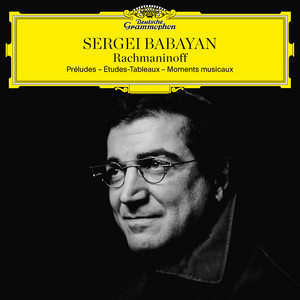 | 12 Songs, Op. 21: V. Lilacs (Transcr. Rachmaninoff for Solo Piano) | Sergei Rachmaninoff, Sergei Babayan | A♭ Major | 0 | 4B | 78 BPM |
- ISRC
- GBAYC1001633
- Label
- L-M Records/RCA Records