- BPM
- 137
- Key
- A♭ Major
- Camelot
- 4B
Strike Up The Band by George Gershwin, ASU Sun Devil Marching Band, Dr. Robert "Coach" Fleming Song Details
George Gershwin, ASU Sun Devil Marching Band, Dr. Robert "Coach" Fleming's 'Strike Up The Band' had a release date set for January 1, 2012. With This song being less than two minutes long, at 1:51, we are fairly confident that this song is not explicit and is safe for all ages. Based on the duration of this song, this song duration is much smaller than the average song duration. There are a total of 28 in the song's album "Sun Devil Marching Band Pass In Review 2001". In this album, this song's track order is #8. Based on our statistics, Strike Up The Band's popularity is unknown right now. In our opinion, the overall tone is not very danceable and projects negative sounds, such as being sad, depressed, or angry.
BPM and Tempo
With Strike Up The Band by George Gershwin, ASU Sun Devil Marching Band, Dr. Robert "Coach" Fleming having a BPM of 137 with a half-time of 68 BPM and a double-time of 274 BPM, we would consider this track to have a Allegro (fast, quick, and bright) tempo marking. Because of this, we believe that the song has an overall fast tempo. Looking at the BPM of this song, this song might go great with walking. The time signature for this track is 4/4.
Music Key
This song is in the music key of A♭ Major. Or for those who are familiar with the camelot wheel, this song has a camelot key of 4B. So, the perfect camelot match for 4B would be either 4B or 5A. While, 5B can give you a low energy boost. For moderate energy boost, you would use 1B and a high energy boost can either be 6B or 11B. Though, if you want a low energy drop, you should looking for songs with either a camelot key of 4A or 3B will give you a low energy drop, 7B would be a moderate one, and 2B or 9B would be a high energy drop. Lastly, 1A allows you to change the mood.
Want to find the BPM and music key for other songs? Check out our BPM and Key Finder page!
- Popularity
- 0%
- Loudness
- -9.376 dB
- Acousticness
- 35%
- Danceability
- 32%
- Energy
- 90%
- Instrumentalness
- 70%
- Liveness
- 69%
- Loudness
- 84%
- Speechiness
- 33%
- Valence
- 26%
Recommendations
| Track | Artist | Key | Energy | Camelot | BPM | ||
|---|---|---|---|---|---|---|---|
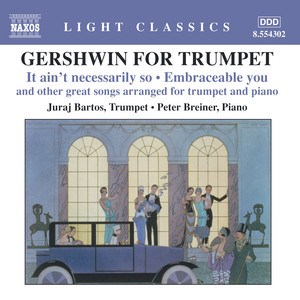 | Rosalie: How Long Has This Been Going On? | Peter Breiner, Juray Bartos, George Gershwin | C Major | 1 | 8B | 63 BPM | |
 | Schoenberg: Verklärte Nacht, Op. 4: IV. Adagio (1943 Version) | Arnold Schoenberg, Daniel Barenboim, Chicago Symphony Orchestra | D Major | 1 | 10B | 82 BPM | |
 | 3 Dance Episodes from On the Town: No. 2, Lonely Town | Leonard Bernstein, Bournemouth Symphony Orchestra, Marin Alsop | D Minor | 2 | 7A | 105 BPM | |
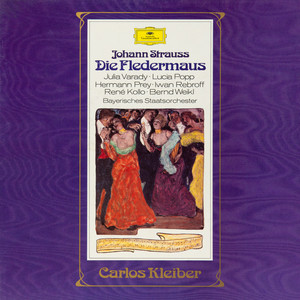 | Die Fledermaus: Overture | Johann Strauss II, Bavarian State Orchestra, Carlos Kleiber | D Major | 2 | 10B | 109 BPM | |
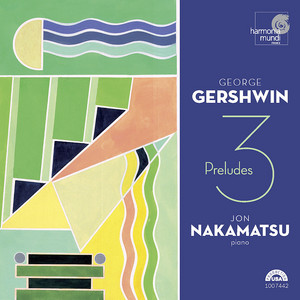 | 3 Preludes: I. Allegro ben ritmato e deciso | George Gershwin, Jon Nakamatsu | C Minor | 2 | 5A | 98 BPM | |
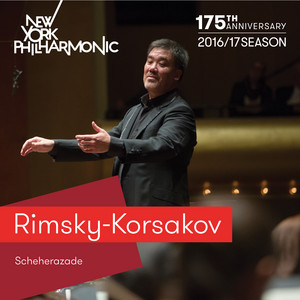 | Scheherazade, Op. 35: I. Largo e maestoso - Allegro non troppo "The Sea and Sinbad's Ship" | Nikolai Rimsky-Korsakov, New York Philharmonic, Alan Gilbert, Lawrence Rock | E Major | 1 | 12B | 79 BPM | |
 | 12 Songs, Op. 21: V. Lilacs (Transcr. Rachmaninoff for Solo Piano) | Sergei Rachmaninoff, Sergei Babayan | A♭ Major | 0 | 4B | 78 BPM | |
 | The Rite of Spring: Part One: Adoration of the Earth: The Augurs of Spring - Dance of the Young Girls | Igor Stravinsky, Teodor Currentzis, musicAeterna | B♭ Major | 3 | 6B | 120 BPM | |
 | Pictures At An Exhibition: Promenade I | Modest Mussorgsky, Chicago Symphony Orchestra, Carlo Maria Giulini | F Major | 1 | 7B | 79 BPM | |
 | 3 Ghost Rags: No. 1, The Graceful Ghost Rag | William Bolcom, Spencer Myer | B♭ Minor | 0 | 3A | 116 BPM | |
 | Someone To Watch Over Me | George Gershwin, Zubin Mehta, New York Philharmonic | A Major | 1 | 11B | 171 BPM | |
 | Consolation No. 2 in E Major, S. 172/2 | Franz Liszt, Vladimir Horowitz | E Major | 0 | 12B | 50 BPM | |
 | Rhapsody on a Theme of Paganini, Op. 43: Variation 18 | Sergei Rachmaninoff, Bernd Glemser, Polish National Radio Symphony Orchestra, Antoni Wit | D♭ Major | 1 | 3B | 76 BPM | |
 | Shéhérazade, Op. 35: III. The Young Prince and the Young Princess | Nikolai Rimsky-Korsakov, Sergej Galaktionov, Gianandrea Noseda, Filarmonica Teatro Regio Torino | G Major | 0 | 9B | 103 BPM | |
 | Scriabin: 24 Preludes, Op. 11: No. 1 in C Major | Alexander Scriabin, Mikhail Pletnev | C Major | 1 | 8B | 63 BPM | |
 | Pavane for a Dead Princess | Philharmonic Orchestra, Stephanie Chase, Han De Vries, Geoffrey Simon | G Major | 0 | 9B | 73 BPM | |
 | Litolff: Concerto symphonique No. 4 in D Minor, Op. 102: II. Scherzo | Henry Litolff, San Francisco Symphony, Michael Tilson Thomas | D Minor | 3 | 7A | 122 BPM | |
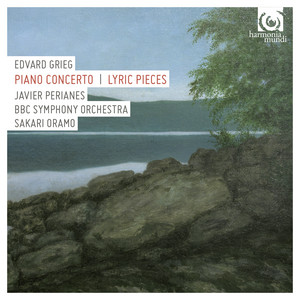 | Piano Concerto in A Minor, Op. 16: II. Adagio | Edvard Grieg, Javier Perianes, BBC Symphony Orchestra, Sakari Oramo | D♭ Major | 0 | 3B | 79 BPM | |
 | Salut d'amour, Op. 12 | Edward Elgar, Kyung Wha Chung, Phillip Moll | A Major | 1 | 11B | 97 BPM | |
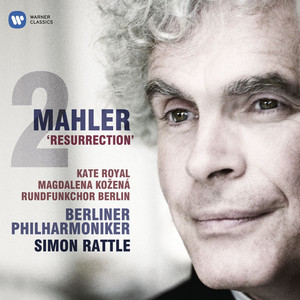 | Mahler: Symphony No. 2, "Resurrection": V. (e) Langsam, Misterioso (Chorus, Soprano) - | Gustav Mahler, Sir Simon Rattle, Berliner Philharmoniker | F♯ Major | 0 | 2B | 122 BPM | |
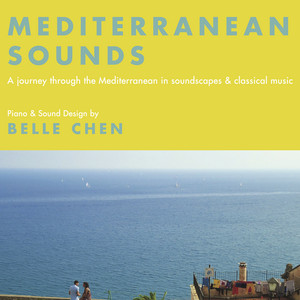 | Nocturne No. 7 in Eb Major, FP. 56 | Francis Poulenc, Belle Chen | F Minor | 1 | 4A | 76 BPM | |
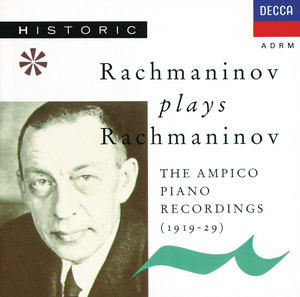 | Prélude in C-Sharp Minor, Op. 3, No. 2 | Sergei Rachmaninoff | F♯ Minor | 1 | 11A | 115 BPM | |
 | Serenade in C Major, Op. 48: I. Pezzo in forma di Sonatina | Pyotr Ilyich Tchaikovsky, Vienna Chamber Orchestra, Philippe Entremont | C Major | 3 | 8B | 112 BPM | |
 | Rodeo: 4 Dance Episodes: No. 4. Hoe-Down | Aaron Copland, Buffalo Philharmonic Orchestra | G Major | 3 | 9B | 125 BPM | |
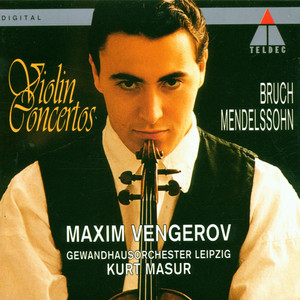 | Mendelssohn: Violin Concerto in E Minor, Op. 64, MWV O14: II. Andante | Felix Mendelssohn, Maxim Vengerov, Kurt Masur, Gewandhausorchester | C Major | 1 | 8B | 96 BPM |
- ISRC
- This song does not have an ISRC.
- Label
- L-M Records/RCA Records