- BPM
- 130
- Key
- D Minor
- Camelot
- 7A
Missa in G Major, Op. 151 "St. Crucis": IV. Sanctus by Josef Rheinberger, Vocalensemble Rastatt, Holger Speck Song Details
"Missa in G Major, Op. 151 "St. Crucis": IV. Sanctus" by Josef Rheinberger, Vocalensemble Rastatt, Holger Speck had its release date on February 1, 2003. With This song being less than two minutes long, at 1:39, we are fairly confident that this song is not explicit and is safe for all ages. Based on the duration of this song, this song duration is much smaller than the average song duration. The track order of this song in Josef Rheinberger, Vocalensemble Rastatt, Holger Speck's "Josef Gabriel Rheinberger: Christus factus est (Musica sacra VII)" album is number 4 out of 22. On top of that, Germany appears to be the country where this track was created. Based on our statistics, Missa in G Major, Op. 151 "St. Crucis": IV. Sanctus's popularity is not that popular right now. In our opinion, the overall tone is not very danceable and projects negative sounds, such as being sad, depressed, or angry.
BPM and Tempo
We consider the tempo marking of Missa in G Major, Op. 151 "St. Crucis": IV. Sanctus by Josef Rheinberger, Vocalensemble Rastatt, Holger Speck to be Allegro (fast, quick, and bright) because the track has a tempo of 130 BPM, a half-time of 65BPM, and a double-time of 260 BPM. Based on that, the speed of the song's tempo is fast. Activities such as, walking, can go well with this song. The time signature for this track is 4/4.
Music Key
This song is in the music key of D Minor. Because this track belongs in the D Minor key, the camelot key is 7A. So, the perfect camelot match for 7A would be either 7A or 6B. While, a low energy boost can consist of either 7B or 8A. For moderate energy boost, you would use 4A and a high energy boost can either be 9A or 2A. However, if you are looking for a low energy drop, finding a song with a camelot key of 6A would be a great choice. Where 10A would give you a moderate drop, and 5A or 12A would be a high energy drop. Lastly, 10B allows you to change the mood.
Want to find the BPM and music key for other songs? Check out our BPM and Key Finder page!
- Popularity
- 4%
- Loudness
- -27.547 dB
- Acousticness
- 99%
- Danceability
- 17%
- Energy
- 4%
- Instrumentalness
- 14%
- Liveness
- 10%
- Loudness
- 54%
- Speechiness
- 5%
- Valence
- 3%
Recommendations
| Track | Artist | Key | Energy | Camelot | BPM | ||
|---|---|---|---|---|---|---|---|
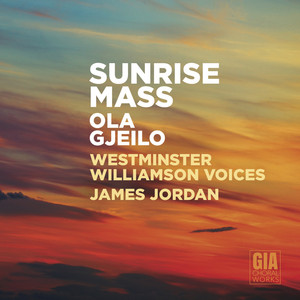 | 6 Sprüche, Op. 79 (Ed. J. Jordan): No. 2, Am Neujahrstage | Felix Mendelssohn, Westminster Williamson Voices, James Jordan | D Minor | 1 | 7A | 83 BPM | |
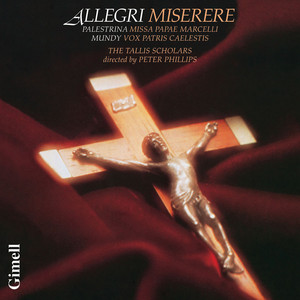 | Palestrina: Missa Papae Marcelli - 1c. Kyrie Eleison 2 | The Tallis Scholars, Peter Phillips | B Major | 3 | 1B | 84 BPM | |
 | Canticles & Prayers, Inexpressible Wonder: No. 3, It Is Worth Eating | Georgy Sviridov, Latvian Radio Choir, Sigvards Kļava | D Major | 1 | 10B | 83 BPM | |
 | Your Temple, O God | Yuri Alexandrovich Falik, Ieva Ezeriete, Latvijas Radio koris, Sigvards Kļava | A Minor | 1 | 8A | 111 BPM | |
 | Christi crux | Henryk Górecki, Jan Łukaszewski, Polish Chamber Choir | G Minor | 2 | 6A | 80 BPM | |
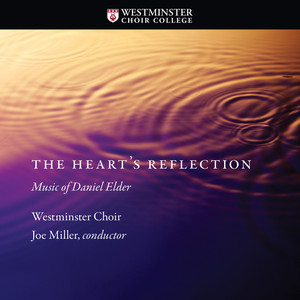 | 3 Nocturnes: No. 1. Ballade to the Moon | Daniel Elder, Westminster Choir, John Hudson, Joe Miller | E Minor | 1 | 9A | 68 BPM | |
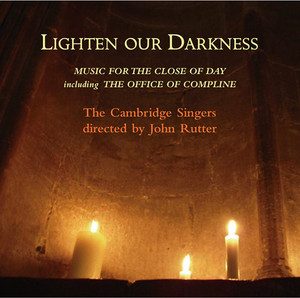 | Te lucis ante terminum | Thomas Tallis, The Cambridge Singers, John Rutter | F♯ Minor | 0 | 11A | 107 BPM | |
 | Alkukuoro, Vuorten Ylle Aurinko on Noussut (Suuri Kalansaalis) | Oulun kamariorkesteri, Cantio Laudis -kuoro | C Minor | 1 | 5A | 76 BPM | |
 | Misatango, Misa a Buenos Aires: IV. Qui tollis | MartÍn Palmeri, Chœur régional Vittoria d'Ile de France, Orchestre Pasdeloup, Michel Piquemal, Sophie Hanne, Gilberto Pereyra | F Minor | 1 | 4A | 75 BPM | |
 | Psalm 42, Op. 42: I. Coro "Wie der Hirsch schreit" | Felix Mendelssohn, Deutsche Kammerphilharmonie Bremen, Kammerchor Stuttgart, Frieder Bernius | G Major | 3 | 9B | 126 BPM | |
 | Cherubic Hymn | Pyotr Ilyich Tchaikovsky, SWR Vokalensemble Stuttgart, Marcus Creed | E Minor | 0 | 9A | 79 BPM | |
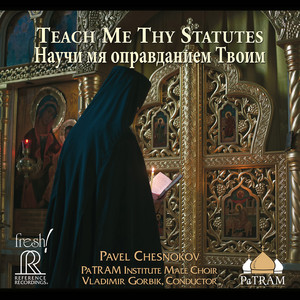 | Praise the Name of the Lord | Pavel Chesnokov, PaTRAM Institute Male Choir, Vladimir Gorbik | F Major | 0 | 7B | 82 BPM | |
 | Gloria in D Major: Et in terra | Antonio Lotti, Mária Zádori, Judit Nemeth, Gábor Oláh, Tibor Gyenge, László Donyec, Mihály Lakatos, Henrik Hirschberg, Antal Pálkövi, Lotti Chamber Choir, Camerata Pro Musica Chamber Orchestra, Ferenc Rózsa | D Major | 0 | 10B | 84 BPM | |
 | Alma Redemptoris | University of King's College Chapel Choir, Paul Halley | E♭ Major | 1 | 5B | 84 BPM | |
 | 3 Geistliche Gesänge, Op. 69: III. Abendlied | Josef Rheinberger, Vancouver Cantata Singers, James Fankhauser | F Minor | 0 | 4A | 103 BPM | |
| Missa brevis, Op. 117: I. Kyrie | Josef Rheinberger, Vancouver Cantata Singers, James Fankhauser | F Major | 1 | 7B | 140 BPM | |
 | Geistliche Chormusik, Op. 11: Die mit Tränen säen, SWV 378 | Heinrich Schütz, Philippe Herreweghe, Collegium Vocale Gent | B Minor | 1 | 10A | 68 BPM | |
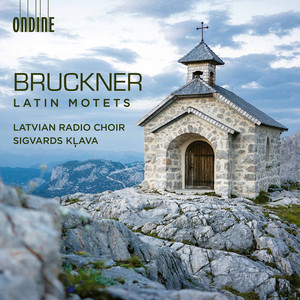 | 4 Tantum ergo, WAB 41: No. 4 in C Major (Version for Choir) | Anton Bruckner, Latvian Radio Choir, Sigvards Kļava | C Major | 1 | 8B | 69 BPM | |
 | Abide with me | William Henry Monk, Choir of St John's, Elora, Paul Halley | E♭ Major | 1 | 5B | 157 BPM | |
 | Gandrille: Magnificat, Op. 50: I. Magnificat | Jean-Charles Gandrille, Maitrise Notre-Dame De Paris, Yves Castagnet, Henri Chalet | C Minor | 3 | 5A | 84 BPM | |
 | Hail Gladdening Light | Charles Wood, The Mancunium Consort | A Major | 2 | 11B | 73 BPM | |
 | Stabat Mater, Op. 138 | Josef Rheinberger, Kammerchor Stuttgart, Ensemble Stuttgart, Frieder Bernius | E♭ Major | 1 | 5B | 78 BPM | |
 | 2 Romantische Gesänge, Op. 106: I. Harald | Josef Rheinberger, Orpheus Vokalensemble, Antonii Baryshevskyi, Michael Alber | B♭ Major | 1 | 6B | 111 BPM | |
 | Magnificat in B flat major: Magnificat anima mea | Francesco Durante, Thomas Hengelbrock | A Major | 3 | 11B | 126 BPM | |
 | Christ fuhr gen Himmel | Sjaella | E Minor | 1 | 9A | 134 BPM |
- ISRC
- DEB110300104
- Label
- L-M Records/RCA Records