- BPM
- 153
- Key
- B♭ Major
- Camelot
- 6B
Orff: Carmina Burana, Introduction "Fortuna Imperatrix Mundi": Fortune plango vulnera by Carl Orff, Riccardo Muti, Philharmonia Chorus, Philharmonia Orchestra Song Details
"Orff: Carmina Burana, Introduction "Fortuna Imperatrix Mundi": Fortune plango vulnera" by Carl Orff, Riccardo Muti, Philharmonia Chorus, Philharmonia Orchestra had its release date on 1980. The duration of This song is about two minutes long, specifically at 2:33. This song does not appear to have any foul language. Orff: Carmina Burana, Introduction "Fortuna Imperatrix Mundi": Fortune plango vulnera's duration is considered a little bit shorter than the average duration of a typical track. There are a total of 25 in the song's album "Orff: Carmina burana". In this album, this song's track order is #2. Furthermore, we believe that the track originated from United Kingdom. Based on our statistics, Orff: Carmina Burana, Introduction "Fortuna Imperatrix Mundi": Fortune plango vulnera's popularity is not that popular right now. In our opinion, the overall tone is not very danceable and projects negative sounds, such as being sad, depressed, or angry.
BPM and Tempo
With Orff: Carmina Burana, Introduction "Fortuna Imperatrix Mundi": Fortune plango vulnera by Carl Orff, Riccardo Muti, Philharmonia Chorus, Philharmonia Orchestra having a BPM of 153 with a half-time of 76 BPM and a double-time of 306 BPM, we would consider this track to have a Allegro (fast, quick, and bright) tempo marking. Because of this, we believe that the song has an overall fast tempo. Looking at the BPM of this song, this song might go great with running. The time signature for this track is 4/4.
Music Key
B♭ Major is the music key of this track. Or for those who are familiar with the camelot wheel, this song has a camelot key of 6B. So, the perfect camelot match for 6B would be either 6B or 7A. While, 7B can give you a low energy boost. For moderate energy boost, you would use 3B and a high energy boost can either be 8B or 1B. Though, if you want a low energy drop, you should looking for songs with either a camelot key of 6A or 5B will give you a low energy drop, 9B would be a moderate one, and 4B or 11B would be a high energy drop. Lastly, 3A allows you to change the mood.
Want to find the BPM and music key for other songs? Check out our BPM and Key Finder page!
- Popularity
- 5%
- Loudness
- -20.93 dB
- Acousticness
- 97%
- Danceability
- 30%
- Energy
- 11%
- Instrumentalness
- 87%
- Liveness
- 11%
- Loudness
- 65%
- Speechiness
- 5%
- Valence
- 9%
Recommendations
| Track | Artist | Key | Energy | Camelot | BPM | ||
|---|---|---|---|---|---|---|---|
 | The Rite of Spring: Part One: Adoration of the Earth: The Augurs of Spring - Dance of the Young Girls | Igor Stravinsky, Teodor Currentzis, musicAeterna | B♭ Major | 3 | 6B | 120 BPM | |
 | Orfeo ed Euridice, Wq. 30: Dance Of The Furies | Christoph Willibald Gluck, Orpheus Chamber Orchestra | D Minor | 4 | 7A | 150 BPM | |
 | Strauss, R: Also sprach Zarathustra, Op. 30: I. Introduction | Richard Strauss, London Philharmonic Orchestra, David Bell, Klaus Tennstedt | C Major | 2 | 8B | 82 BPM | |
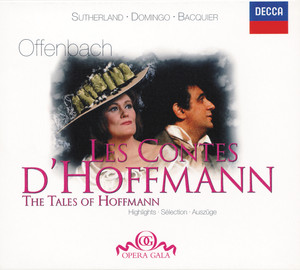 | Les Contes d'Hoffmann / Act 2: "Belle nuit, ô nuit d'amour" | Jacques Offenbach, Dame Joan Sutherland, Huguette Tourangeau, Chorus Pro Arte Lausanne Du Brassus, Radio Suisse Romande Chorus, Orchestre de la Suisse Romande, Richard Bonynge | D Major | 1 | 10B | 82 BPM | |
 | Una noche en el Monte Pelado para orquesta | Orquesta Filarmónica de Slavonia, Alberto Lizzio | D Major | 4 | 10B | 107 BPM | |
 | Blumenduett - Lakmé | Léo Delibes, Alain Lombard, Danielle Millet, Mady Mesplé, Orchestre Du Theatre National De L'Opera Comique | B Major | 1 | 1B | 130 BPM | |
 | Carmina Burana: O Fortuna | Carl Orff, Claire Rutter, Thomas Randle, Markus Eiche, Mary Denniss, Andrew Knights, Greg Beardsell, Bournemouth Symphony Chorus, Highcliffe Junior Choir, Bournemouth Symphony Youth Chorus, Bournemouth Symphony Orchestra, Marin Alsop | D Minor | 2 | 7A | 136 BPM | |
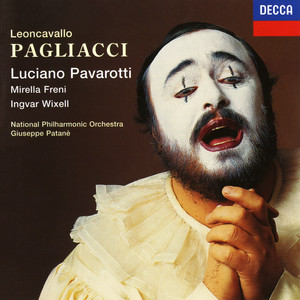 | Pagliacci / Act 1: "Recitar!...Vesti la giubba" | Ruggero Leoncavallo, Luciano Pavarotti, National Philharmonic Orchestra, Giuseppe Patanè | E Major | 2 | 12B | 83 BPM | |
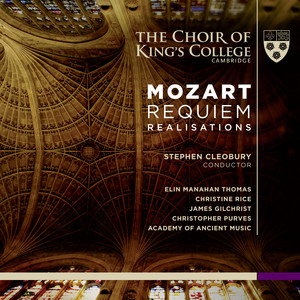 | Requiem, K. 626: Lacrimosa | Wolfgang Amadeus Mozart, Michael Finnissy, Academy of Ancient Music, Stephen Cleobury, Choir of King's College, Cambridge | D Minor | 1 | 7A | 132 BPM | |
 | Toccata and Fugue in d monor, BWV 565 | London Pops Orchestra, Nelson Corbin | D Minor | 2 | 7A | 68 BPM | |
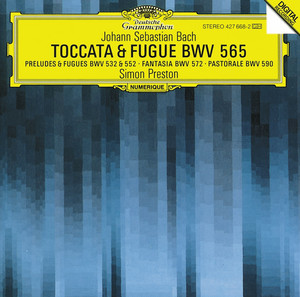 | Toccata & Fugue in D Minor, BWV 565: II. Fugue | Johann Sebastian Bach, Simon Preston | D Minor | 2 | 7A | 91 BPM | |
 | Carmina Burana: XIII. Ego sum abbas | Carl Orff, Dietrich Fischer-Dieskau, Chor der Deutschen Oper Berlin, Orchester der Deutschen Oper Berlin, Eugen Jochum | B♭ Minor | 3 | 3A | 108 BPM | |
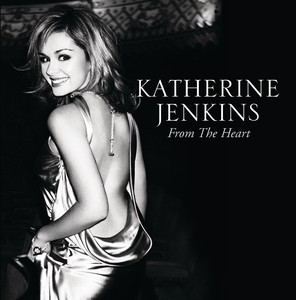 | The Flower Duet (From "Lakmé") | Katherine Jenkins, Kiri Te Kanawa, Philharmonia Orchestra, Anthony Inglis | B Major | 3 | 1B | 102 BPM | |
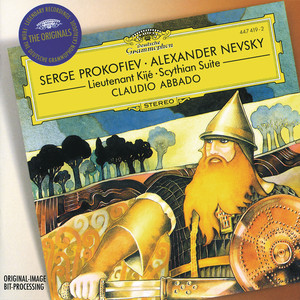 | Scythian Suite, Op. 20 - "Ala and Lolly": II. The Enemy God and the Dance of the Spirits of Darkness | Sergei Prokofiev, Chicago Symphony Orchestra, Claudio Abbado | C Major | 3 | 8B | 118 BPM | |
 | Orff: Carmina Burana, Pt. 2, In Taberna: Ego sum abbas Cucaniensis | Carl Orff, Riccardo Muti, Jonathan Summers, Philharmonia Chorus, Philharmonia Orchestra | A♭ Major | 2 | 4B | 84 BPM | |
 | Oratorio pour le couronnement des princes souverains de toute la chrétienté: No. 3, Moderato religioso | Jean François Lesueur, Chorus Musicus Das Neue Orchester, Christoph Spering | G Major | 0 | 9B | 156 BPM | |
 | Violin Concerto No. 2 in B Minor, Op. 7, "La campanella": III. Rondo | Niccolò Paganini, Netherlands Symphony Orchestra, Rudolf Koelman, Jan Willem de Vriend | B Minor | 2 | 10A | 105 BPM | |
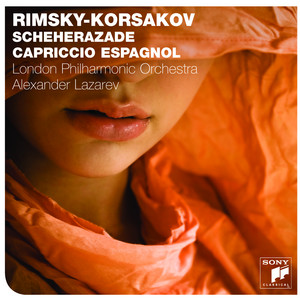 | Scheherazade: The Sea & Sinbad's Ship | Nikolai Rimsky-Korsakov, Lars Hjalmar Joakim | E Major | 1 | 12B | 82 BPM | |
 | Carmina Burana / Fortuna Imperatrix Mundi: "O Fortuna" | Carl Orff, Chicago Symphony Orchestra, James Levine, Chicago Symphony Chorus | D Minor | 2 | 7A | 135 BPM | |
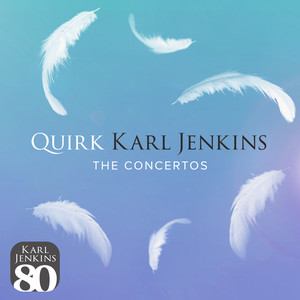 | Palladio: I. Allegretto | Karl Jenkins, Carmine Lauri, David Alberman, London Symphony Orchestra | D Minor | 3 | 7A | 90 BPM | |
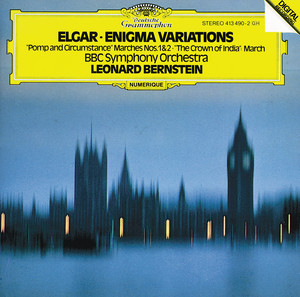 | Enigma Variations, Op. 36: Var. 9. Adagio "Nimrod" | Edward Elgar, BBC Symphony Orchestra, Leonard Bernstein | E♭ Major | 0 | 5B | 79 BPM | |
 | Danse macabre, Op. 40 | Camille Saint-Saëns, Royal Stockholm Philharmonic Orchestra, James DePreist | G Minor | 1 | 6A | 102 BPM | |
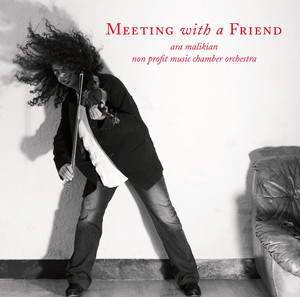 | Concert Grosso for String Orchestra "Palladio": Allegretto | Karl Jenkins, Ara Malikian | D Minor | 4 | 7A | 88 BPM | |
 | El Amor Brujo: Danza ritual del fuego | Manuel de Falla, Kazuki Yamada, Orchestre de la Suisse Romande | E Minor | 1 | 9A | 135 BPM | |
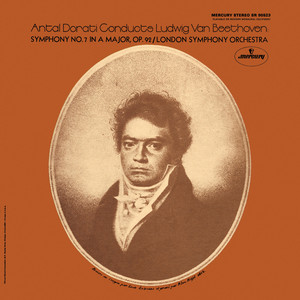 | Symphony No. 7 in A Major, Op. 92: II. Allegretto | Ludwig van Beethoven, London Symphony Orchestra, Antal Doráti | E Minor | 1 | 9A | 141 BPM |
- ISRC
- GBAYC9700983
- Label
- L-M Records/RCA Records