- BPM
- 111
- Key
- B♭ Minor
- Camelot
- 3A
Concerto grosso in D Major Op. 6, No. 4: II. Adagio by Arcangelo Corelli, Akademie für Alte Musik Berlin, Georg Kallweit Song Details
Arcangelo Corelli, Akademie für Alte Musik Berlin, Georg Kallweit's 'Concerto grosso in D Major Op. 6, No. 4: II. Adagio' had a release date set for June 20, 2025. The duration of This song is about two minutes long, specifically at 2:15. This song does not appear to have any foul language. Concerto grosso in D Major Op. 6, No. 4: II. Adagio's duration is considered a little bit shorter than the average duration of a typical track. The song is number 16 out of 28 in Corelli: Concerti grossi Op. 6, 1-6 by Arcangelo Corelli, Akademie für Alte Musik Berlin, Mayumi Hirasaki, Georg Kallweit. Going off of the ISRC code of this track, we detected that the origin of this track is from Netherlands. In terms of popularity, Concerto grosso in D Major Op. 6, No. 4: II. Adagio is currently not that popular. Although the overall vibe is very danceable, it does project more negative sounds.
BPM and Tempo
The tempo marking of Concerto grosso in D Major Op. 6, No. 4: II. Adagio by Arcangelo Corelli, Akademie für Alte Musik Berlin, Georg Kallweit is Moderato (at a moderate speed), since this song has a tempo of 111 BPM. With that information, we can conclude that the song has a moderate tempo. The time signature for this track is 4/4.
Music Key
B♭ Minor is the music key of this track. Because this track belongs in the B♭ Minor key, the camelot key is 3A. So, the perfect camelot match for 3A would be either 3A or 2B. While, a low energy boost can consist of either 3B or 4A. For moderate energy boost, you would use 12A and a high energy boost can either be 5A or 10A. However, if you are looking for a low energy drop, finding a song with a camelot key of 2A would be a great choice. Where 6A would give you a moderate drop, and 1A or 8A would be a high energy drop. Lastly, 6B allows you to change the mood.
Want to find the BPM and music key for other songs? Check out our BPM and Key Finder page!
- Popularity
- 12%
- Loudness
- -29.921 dB
- Acousticness
- 92%
- Danceability
- 61%
- Energy
- 0%
- Instrumentalness
- 0%
- Liveness
- 11%
- Loudness
- 50%
- Speechiness
- 5%
- Valence
- 20%
Recommendations
| Track | Artist | Key | Energy | Camelot | BPM | ||
|---|---|---|---|---|---|---|---|
 | Symphony in C Major, Op. 1, No. 6 (Callen 6): I. Allegro | Franz Ignaz Beck, New Zealand Chamber Orchestra, Donald Armstrong | G Major | 2 | 9B | 143 BPM | |
 | Concerto For Oboe And Orchestra In G Major: 3. Allegro | Carl Ditters von Dittersdorf, Heinz Holliger, Camerata Bern, Thomas Füri | G Major | 2 | 9B | 133 BPM | |
 | Dardanus Suite, RTC 35A, Act I: Rigaudons I & II | Jean-Philippe Rameau, Indianapolis Baroque Orchestra, Barthold Kuijken | F♯ Major | 1 | 2B | 93 BPM | |
 | Overture No. 6 in B-Flat Major: II. Largo | Francesco Maria Veracini, L'Arte dell' Arco, Federico Guglielmo | F♯ Major | 0 | 2B | 96 BPM | |
 | Violin Sonata in E Minor, Op.5 No. 8: II. Allemanda (Allegro) | Arcangelo Corelli, Enrico Onofri | F Major | 1 | 7B | 128 BPM | |
 | Ouverture No. 6 in G Minor: II. Largo | Francesco Maria Veracini, Ensemble Zefiro, Alfredo Bernardini | B Minor | 1 | 10A | 76 BPM | |
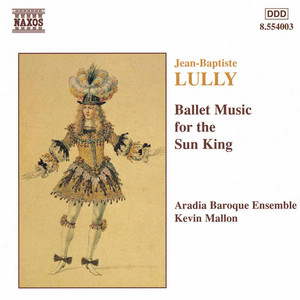 | Le bourgeois gentilhomme: Chaconne des Scaramouches, Frivelins et Arlequins | Jean-Baptiste Lully, Mary Enid Haines, Sharla Nafziger, Aradia Ensemble, Kevin Mallon | F♯ Major | 0 | 2B | 0 BPM | |
 | Mozart: Divertimento in F Major, K. 138 "Salzburg Symphony No. 3": III. Presto | Wolfgang Amadeus Mozart, Amsterdam Baroque Orchestra, Ton Koopman | E Major | 1 | 12B | 135 BPM | |
 | Bassoon Concerto in C Major, FWV L:C2: I. Allegro | Johann Friedrich Fasch, Paolo Tognon, Capella Savaria, Pal Nemeth | F♯ Major | 2 | 2B | 103 BPM | |
 | Allegro | Nicola Matteis, Gli Incogniti, Amandine Beyer | E♭ Minor | 3 | 2A | 131 BPM | |
 | Sonata II In G Minor: II. Allegro (Muffat) | Georg Muffat, Masques | F♯ Minor | 1 | 11A | 136 BPM | |
 | Concerto 6 in A Major, Op. 7: III. Giga allegro | Jean-Marie Leclair, Luis Otavio Santos, Les Muffatti, Peter Van Heyghen | A♭ Major | 3 | 4B | 123 BPM | |
 | Symphony in F Major, J-C 36: I. Presto | Giovanni Battista Sammartini, Milan Classical Chamber Orchestra, Roberto Gini | F Major | 1 | 7B | 75 BPM | |
| Concerto 1 in D Minor, Op. 7: I. Allegro | Jean-Marie Leclair, Luis Otavio Santos, Les Muffatti, Peter Van Heyghen | D♭ Minor | 2 | 12A | 92 BPM | |
 | Hasse: Serpentes ignei in deserto: Introduzione: II. Fugue | Johann Adolf Hasse, Thibault Noally, Les Accents | A Major | 2 | 11B | 83 BPM | |
 | Sonata in C Minor, DürG 14: I. Largo | Johann Gottlieb Goldberg, Accademia dell'Annunciata, Riccardo Doni | B Minor | 1 | 10A | 64 BPM | |
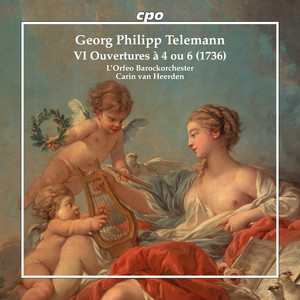 | V. Réjouissance | Georg Philipp Telemann, L'Orfeo Barockorchester, Carin van Heerden | F♯ Minor | 5 | 11A | 130 BPM | |
 | Symphony No. 4 in F Major, Op. 2, "Shepherd's Lottery": II. Vivace ma non troppo | William Boyce, Aradia Ensemble, Kevin Mallon | E Major | 0 | 12B | 118 BPM | |
 | Concerto Grosso in C Minor, Op. 1, No. 2: I. Adagio | Pietro Locatelli, Capella Istropolitana, Jaroslav Krcek | C Minor | 3 | 5A | 155 BPM | |
| Overture No. 6 in B-Flat Major: I. Allegro | Francesco Maria Veracini, L'Arte dell' Arco, Federico Guglielmo | F♯ Minor | 3 | 11A | 178 BPM | |
| Symphony No. 5 in D Major, Op. 2, "St. Cecilia's Day Ode": III. Tempo di Minuetto | William Boyce, Aradia Ensemble, Kevin Mallon | E Major | 2 | 12B | 153 BPM | |
 | Suite From Abdelzar: I. Rondeau | Henry Purcell, Tafelmusik Baroque Orchestra, Jeanne Lamon | D♭ Minor | 1 | 12A | 101 BPM | |
 | Violin Sonata in G Major, Op. 5, No. 12: III. Largo | Jean-Marie Leclair, Trio Settecento | D Minor | 1 | 7A | 105 BPM | |
 | Trio Sonata in G Minor: II. Allegro un poco | Johann Friedrich Fasch, Danubius Ensemble | C Minor | 2 | 5A | 122 BPM | |
 | Les Boréades, RCT 31, Acte IV, Scène IV: Entrée pour les Muses, les Zéphyres, les Saisons, les Heures et les Arts | Jean-Philippe Rameau, Teodor Currentzis | D♭ Major | 1 | 3B | 130 BPM |
- ISRC
- NLE422423416
- Label
- L-M Records/RCA Records