- BPM
- 85
- Key
- A Minor
- Camelot
- 8A
Symphony No. 5 in D Major: I. Preludio by Ralph Vaughan Williams, Hallé, Sir Mark Elder Song Details
"Symphony No. 5 in D Major: I. Preludio" by Ralph Vaughan Williams, Hallé, Sir Mark Elder had its release date on 2015. This song appears to be safe for all ages as it is not explicit. This song is part of Vaughan Williams: The Complete Symphonies by Ralph Vaughan Williams, Hallé, Sir Mark Elder. The song's track number on the album is #1 out of 37 tracks. Based on our data, United Kingdom was the country where this track was produced or recorded. Symphony No. 5 in D Major: I. Preludio is unknown right now. In our opinion, the overall tone is not very danceable and projects negative sounds, such as being sad, depressed, or angry.
BPM and Tempo
Since Symphony No. 5 in D Major: I. Preludio by Ralph Vaughan Williams, Hallé, Sir Mark Elder has a tempo of 85 beats per a minute, the tempo markings of this song would be Andante (at a walking pace). With Symphony No. 5 in D Major: I. Preludio being at 85 BPM, the half-time would be 42 BPM with a double-time of 170 BPM.In addition, we consider the tempo speed to be pretty slow for this song. This makes this song perfect for activities such as, yoga or pilates. The time signature for this track is 4/4.
Music Key
This song has a musical key of A Minor. Which also means that the camelot key for this song is 8A. So, the perfect camelot match for 8A would be either 8A or 7B. While, a low energy boost can consist of either 8B or 9A. For moderate energy boost, you would use 5A and a high energy boost can either be 10A or 3A. However, if you are looking for a low energy drop, finding a song with a camelot key of 7A would be a great choice. Where 11A would give you a moderate drop, and 6A or 1A would be a high energy drop. Lastly, 11B allows you to change the mood.
Want to find the BPM and music key for other songs? Check out our BPM and Key Finder page!
- Popularity
- 0%
- Loudness
- -33.938 dB
- Acousticness
- 95%
- Danceability
- 8%
- Energy
- 1%
- Instrumentalness
- 90%
- Liveness
- 9%
- Loudness
- 43%
- Speechiness
- 4%
- Valence
- 3%
Recommendations
| Track | Artist | Key | Energy | Camelot | BPM | ||
|---|---|---|---|---|---|---|---|
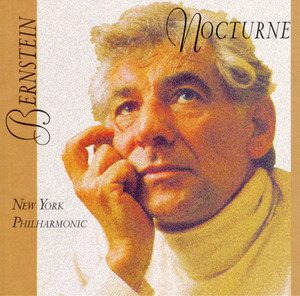 | Valse triste from Kuolema, Op.44 | Jean Sibelius, Leonard Bernstein, New York Philharmonic | G Major | 0 | 9B | 86 BPM | |
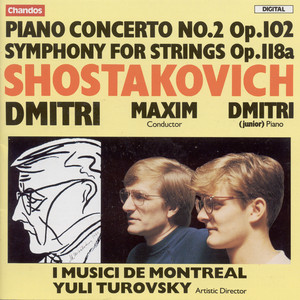 | Piano Concerto No. 2 in F Major, Op. 102: II. Andante | Dmitri Shostakovich, I Musici de Montréal, Maxim Shostakovich | C Minor | 0 | 5A | 177 BPM | |
 | Scottish Rhapsody | Ronald Binge, Slovak Radio Symphony Orchestra, Ernest Tomlinson | D♭ Major | 2 | 3B | 142 BPM | |
 | VII. Finale | Igor Stravinsky, Brussels Philharmonic, Alexander Rahbari | D♭ Minor | 3 | 12A | 81 BPM | |
 | Piano Concerto No. 6 in C Major, H. 49: II. Larghetto | John Field, Miceal O'Rourke, Matthias Bamert, London Mozart Players | E Major | 0 | 12B | 79 BPM | |
 | English Suite: Meditation | Paul Lewis, Royal Northern Sinfonia, David Lloyd-Jones | A Minor | 0 | 8A | 61 BPM | |
 | Scheherazade: Calm at Sea | Nikolai Rimsky-Korsakov, Lars Hjalmar Joakim | E Major | 2 | 12B | 84 BPM | |
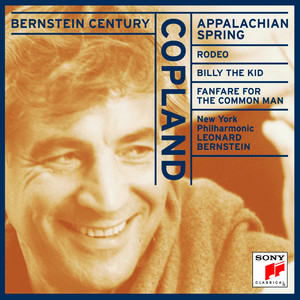 | 4 Dance Episodes from Rodeo: II. Corral Nocturne | Aaron Copland, Leonard Bernstein, New York Philharmonic | C Major | 0 | 8B | 92 BPM | |
 | Divertimento: II. Waltz. Allegretto, con grazia | Leonard Bernstein, Bournemouth Symphony Orchestra, Marin Alsop | D Minor | 7 | 7A | 148 BPM | |
 | Sadko: Hindu Song (arr. N. Mercz): Hindu Song from the Opera 'Sadko' | Nora Mercz, Nikolai Rimsky-Korsakov, Janos Balint | F Major | 0 | 7B | 65 BPM | |
 | Aleko: Intermezzo | Sergei Rachmaninoff, Berliner Philharmoniker, Lorin Maazel | B♭ Major | 0 | 6B | 90 BPM | |
 | Violin Concerto No. 1 in G Minor, Op. 26: II. Adagio | Max Bruch, Itzhak Perlman, Bernard Haitink, Royal Concertgebouw Orchestra | E♭ Major | 1 | 5B | 87 BPM | |
 | Belshazzar's Feast, JS 48: Prelude. Nocturno | Jean Sibelius, Turku Philharmonic Orchestra, Leif Segerstam | G Major | 2 | 9B | 98 BPM | |
 | The Victorian Kitchen Garden - Suite: Prelude | Paul Reade, Emma Johnson, Skaila Kanga | B♭ Major | 0 | 6B | 67 BPM | |
 | The Music Makers, Op. 69: II. We Are the music makers | Edward Elgar, Sarah Connolly, Greg Beardsell, Bournemouth Symphony Chorus, Bournemouth Symphony Orchestra, Simon Wright | B♭ Minor | 0 | 3A | 79 BPM | |
 | Two English Idylls | George Butterworth, Academy of St. Martin in the Fields, Sir Neville Marriner | C Major | 1 | 8B | 89 BPM | |
 | Martynov: "Come in!", Movement II | Vladimir Martynov, Gidon Kremer | A Major | 1 | 11B | 82 BPM | |
 | Lyric for Strings | George Walker, Chicago Sinfonietta, Paul Freeman | F♯ Major | 0 | 2B | 102 BPM | |
 | Fantasia on Greensleeves | Traditional, Ralph Vaughan Williams, Britten Sinfonia, Nicholas Cleobury | C Minor | 1 | 5A | 87 BPM | |
 | Piano Concerto No. 1 in C Major, Op. 11, J. 98: II. Adagio | Carl Maria von Weber, Benjamin Frith, RTE Sinfonietta, Proinnsias O'Duinn | A♭ Major | 0 | 4B | 95 BPM | |
 | Idyl for Strings - Adagio | Leoš Janáček, Hanspeter Gmür, Camerata Romana | G Major | 1 | 9B | 105 BPM | |
 | Mozart: Clarinet Concerto in A Major, K. 622: II. Adagio | Wolfgang Amadeus Mozart, Sabine Meyer, Hans Vonk, Staatskapelle Dresden | D Major | 0 | 10B | 93 BPM | |
 | Panis Angelicus (Arr. Leopold Stokowski) | César Franck, Matthias Bamert, BBC Philharmonic | A Major | 1 | 11B | 65 BPM | |
| Sir John in Love: Fantasia on Greensleeves | Ralph Vaughan Williams, Leonard Bernstein, New York Philharmonic, David Nadien | C Minor | 1 | 5A | 105 BPM | |
 | Dido & Aeneas, Z. 626: When I Am Laid in Earth "Dido's Lament" (Transcr. L. Stokowski) | Henry Purcell, Timothy Walden, Bournemouth Symphony Orchestra, José Serebrier | E Major | 0 | 12B | 76 BPM |
- ISRC
- GBXSY1300001
- Label
- L-M Records/RCA Records