- BPM
- 130
- Key
- G Major
- Camelot
- 9B
Peer Gynt, Op. 23: Peer Gynt's Homecoming - Arr. for Violin & String Orchestra by Tormod Tvete Vik by Edvard Grieg, Ragnhild Hemsing, TrondheimSolistene Song Details
"Peer Gynt, Op. 23: Peer Gynt's Homecoming - Arr. for Violin & String Orchestra by Tormod Tvete Vik" by Edvard Grieg, Ragnhild Hemsing, TrondheimSolistene had its release date on February 25, 2022. The duration of This song is about two minutes long, specifically at 2:22. This song does not appear to have any foul language. Peer Gynt, Op. 23: Peer Gynt's Homecoming - Arr. for Violin & String Orchestra by Tormod Tvete Vik's duration is considered a little bit shorter than the average duration of a typical track. There are a total of 12 in the song's album "Peer Gynt". In this album, this song's track order is #7. Furthermore, we believe that the track originated from Germany. Based on our statistics, Peer Gynt, Op. 23: Peer Gynt's Homecoming - Arr. for Violin & String Orchestra by Tormod Tvete Vik's popularity is not that popular right now. In our opinion, the overall tone is not very danceable and projects negative sounds, such as being sad, depressed, or angry.
BPM and Tempo
With Peer Gynt, Op. 23: Peer Gynt's Homecoming - Arr. for Violin & String Orchestra by Tormod Tvete Vik by Edvard Grieg, Ragnhild Hemsing, TrondheimSolistene having a BPM of 130 with a half-time of 65 BPM and a double-time of 260 BPM, we would consider this track to have a Allegro (fast, quick, and bright) tempo marking. Because of this, we believe that the song has an overall fast tempo. Looking at the BPM of this song, this song might go great with walking. The time signature for this track is 4/4.
Music Key
G Major is the music key of this track. Or for those who are familiar with the camelot wheel, this song has a camelot key of 9B. So, the perfect camelot match for 9B would be either 9B or 10A. While, 10B can give you a low energy boost. For moderate energy boost, you would use 6B and a high energy boost can either be 11B or 4B. Though, if you want a low energy drop, you should looking for songs with either a camelot key of 9A or 8B will give you a low energy drop, 12B would be a moderate one, and 7B or 2B would be a high energy drop. Lastly, 6A allows you to change the mood.
Want to find the BPM and music key for other songs? Check out our BPM and Key Finder page!
- Popularity
- 2%
- Loudness
- -21.193 dB
- Acousticness
- 93%
- Danceability
- 16%
- Energy
- 4%
- Instrumentalness
- 28%
- Liveness
- 12%
- Loudness
- 65%
- Speechiness
- 4%
- Valence
- 4%
Recommendations
| Track | Artist | Key | Energy | Camelot | BPM | ||
|---|---|---|---|---|---|---|---|
 | Ave Maria, S. 558/12 | Franz Schubert, Lang Lang | B♭ Major | 0 | 6B | 64 BPM | |
 | 3 Romances sans paroles, Op. 17: No. 3 in A-Flat Major. Andante moderato | Gabriel Fauré, Kun-Woo Paik | A♭ Major | 0 | 4B | 65 BPM | |
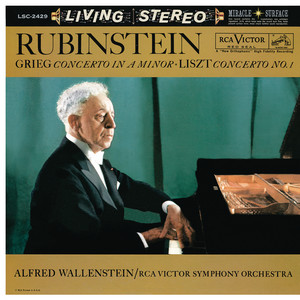 | Piano Concerto in A Minor, Op. 16: III. Allegro moderato molto e marcato - Remastered | Edvard Grieg, Arthur Rubinstein, Alfred Wallenstein, RCA Victor Symphony Orchestra | F Major | 1 | 7B | 119 BPM | |
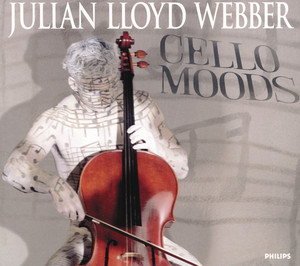 | Jackie's Song | Julian Lloyd Webber, BBC Concert Orchestra, Barry Wordsworth | E♭ Major | 1 | 5B | 85 BPM | |
 | Warsaw Concerto | Richard Addinsell, Jean-Yves Thibaudet, BBC Symphony Orchestra, Hugh Wolff | B Major | 1 | 1B | 76 BPM | |
 | Suite bergamasque, L. 75: III. Clair de lune | Claude Debussy, Menahem Pressler | D♭ Major | 0 | 3B | 109 BPM | |
 | Myrthen, Op. 25 - Version for Cello and Piano: XXIV. Du bist wie eine Blume | Robert Schumann, Kian Soltani, Aaron Pilsan | F Major | 0 | 7B | 116 BPM | |
 | Five Pieces For Two Violins and Piano: I. Prelude | Dmitri Shostakovich, Julian Rachlin, Janine Jansen, Yuri Bashmet, Mischa Maisky, Itamar Golan | G Major | 0 | 9B | 85 BPM | |
 | 3 Chorales, P. 167: No. 3, Andante (After J.S. Bach's BWV 645) | Ottorino Respighi, Seattle Symphony Orchestra, Gerard Schwarz | E♭ Major | 0 | 5B | 84 BPM | |
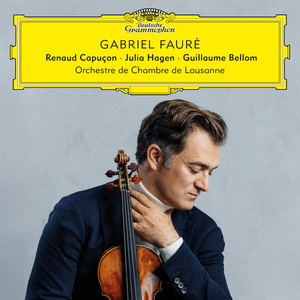 | Pavane, Op. 50 (Version for Orchestra) | Gabriel Fauré, Orchestre de Chambre de Lausanne, Renaud Capuçon | F♯ Minor | 0 | 11A | 70 BPM | |
 | Le carnaval des animaux, R. 125: Le cygne | Camille Saint-Saëns, Mischa Maisky, Orpheus Chamber Orchestra | C Major | 0 | 8B | 83 BPM | |
 | 24 Preludes, Op. 11: No. 21 in B-Flat Major - Andante | Alexander Scriabin, Mao Fujita | F Major | 1 | 7B | 149 BPM | |
 | Morgen, Op. 27 No. 4 (Arr. Reger for Piano) | Richard Strauss, Angela Hewitt | A Major | 2 | 11B | 143 BPM | |
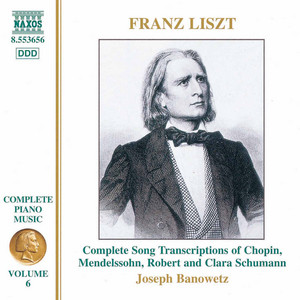 | Chopin - 6 Chants Polonais, S480/R145: No. 2. Fruhling(Wiosna, Spring) | Joseph Banowetz, Franz Liszt | G Major | 1 | 9B | 108 BPM | |
 | Vocalise, Op. 34, No. 14 | Sergei Rachmaninoff, Berliner Philharmoniker, Lorin Maazel | E Minor | 1 | 9A | 76 BPM | |
 | Peer Gynt Suite No.1 op. 46 Anitra's Dance (Tempo di Mazurka) | Academy of St. Martin in the Fields | E Minor | 0 | 9A | 168 BPM | |
![Organ Sonata No. 4, BWV 528: II. Andante [Adagio] (Transcr. by August Stradal) by Johann Sebastian Bach, Víkingur Ólafsson](https://i.scdn.co/image/ab67616d00001e02369f6761d1cccba9a34f05cf) | Organ Sonata No. 4, BWV 528: II. Andante [Adagio] (Transcr. by August Stradal) | Johann Sebastian Bach, Víkingur Ólafsson | B Minor | 0 | 10A | 71 BPM | |
 | Brook Green Suite: II. Air | Gustav Holst, English Sinfonia, Howard Griffiths | E♭ Major | 0 | 5B | 128 BPM | |
 | 6 Album Leaves, Op. 2, JB 1:51: No. 2 in A Minor, Chanson. Moderato | Bedřich Smetana, Jitka Čechová | A Minor | 0 | 8A | 66 BPM | |
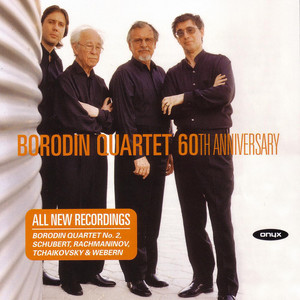 | Borodin - String Quartet No.2 in D major: Notturno: Andante | Alexander Borodin, Borodin Quartet | A Major | 2 | 11B | 74 BPM | |
 | Orfeo ed Euridice, Wq. 30 / Act II: Dance of the Blessed Spirits (Arr. by Mathieu Herzog for Cello and Strings) | Christoph Willibald Gluck, Camille Thomas, Brussels Philharmonic, Mathieu Herzog | B Minor | 1 | 10A | 87 BPM | |
 | Capriol Suite: 5. Pied-en- l'air | Peter Warlock, Academy of St. Martin in the Fields, Nicholas Kraemer, Sir Neville Marriner | G Major | 1 | 9B | 113 BPM | |
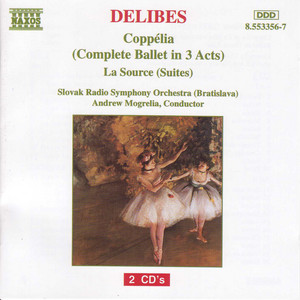 | Coppelia: Act I - Valse | Léo Delibes, Slovak Radio Symphony Orchestra, Andrew Mogrelia | E♭ Major | 0 | 5B | 89 BPM | |
 | Notturno in G Minor | Fanny Mendelssohn, Heather Schmidt | G Minor | 1 | 6A | 125 BPM | |
 | Peer Gynt Suite No. 1, Op. 46: I. Morning Mood | Edvard Grieg, Berliner Philharmoniker, Herbert von Karajan | E Major | 0 | 12B | 141 BPM |
- ISRC
- DES382209007
- Label
- L-M Records/RCA Records