- BPM
- 84
- Key
- F Minor
- Camelot
- 4A
Five Mystical Songs: The Call [baritone only] by Ralph Vaughan Williams, Stephen Roberts/Northern Sinfonia of England/Bradley Creswick/Richard Hickox, Richard Hickox, Northern Sinfonia Of England Song Details
"Five Mystical Songs: The Call [baritone only]" by Ralph Vaughan Williams, Stephen Roberts/Northern Sinfonia of England/Bradley Creswick/Richard Hickox, Richard Hickox, Northern Sinfonia Of England had its release date on June 5, 2000. The duration of This song is about two minutes long, specifically at 2:12. This song does not appear to have any foul language. Five Mystical Songs: The Call [baritone only]'s duration is considered a little bit shorter than the average duration of a typical track. The track order of this song in Ralph Vaughan Williams, Richard Hickox, Northern Sinfonia Of England's "Hickox conducts Vaughan Williams" album is number 13 out of 36. On top of that, United Kingdom appears to be the country where this track was created. Five Mystical Songs: The Call [baritone only] is not that popular right now. In our opinion, the overall tone is not very danceable and projects negative sounds, such as being sad, depressed, or angry.
BPM and Tempo
We consider the tempo marking of Five Mystical Songs: The Call [baritone only] by Ralph Vaughan Williams, Stephen Roberts/Northern Sinfonia of England/Bradley Creswick/Richard Hickox, Richard Hickox, Northern Sinfonia Of England to be Andante (at a walking pace) because the track has a tempo of 84 BPM, a half-time of 42BPM, and a double-time of 168 BPM. Based on that, the speed of the song's tempo is slow. The time signature for this track is 5/4.
Music Key
This song has a musical key of F Minor. Because this track belongs in the F Minor key, the camelot key is 4A. So, the perfect camelot match for 4A would be either 4A or 3B. While, a low energy boost can consist of either 4B or 5A. For moderate energy boost, you would use 1A and a high energy boost can either be 6A or 11A. However, if you are looking for a low energy drop, finding a song with a camelot key of 3A would be a great choice. Where 7A would give you a moderate drop, and 2A or 9A would be a high energy drop. Lastly, 7B allows you to change the mood.
Want to find the BPM and music key for other songs? Check out our BPM and Key Finder page!
- Popularity
- 2%
- Loudness
- -25.151 dB
- Acousticness
- 98%
- Danceability
- 26%
- Energy
- 9%
- Instrumentalness
- 0%
- Liveness
- 11%
- Loudness
- 58%
- Speechiness
- 6%
- Valence
- 7%
Recommendations
| Track | Artist | Key | Energy | Camelot | BPM | ||
|---|---|---|---|---|---|---|---|
 | Scottish Fantasy for Violin and Orchestra, Op. 46: IV. Finale: Allegro guerriero | Max Bruch, Joshua Bell, Academy of St. Martin in the Fields | E♭ Major | 2 | 5B | 97 BPM | |
 | Suite pastorale: I. Idylle | Emmanuel Chabrier, Wiener Philharmoniker, John Eliot Gardiner | F Major | 0 | 7B | 105 BPM | |
 | 2 Aquarelles: Lento, ma non troppo | Frederick Delius, Royal Northern Sinfonia, David Lloyd-Jones | F Major | 0 | 7B | 71 BPM | |
 | St. Paul's Suite, Op. 29 No. 2: I. Jig | Gustav Holst, English Sinfonia, Howard Griffiths | D Minor | 3 | 7A | 78 BPM | |
 | Carmen Suite No. 1: Intermezzo | Georges Bizet, Orchestre Symphonique de Montréal, Charles Dutoit | E♭ Major | 0 | 5B | 80 BPM | |
 | Symphony No. 6 in B Minor, Op. 74 "Pathétique": III. Allegro molto vivace | Pyotr Ilyich Tchaikovsky, Berliner Philharmoniker, Kirill Petrenko | G Major | 3 | 9B | 81 BPM | |
 | 49th Parallel Suite: Prelude | RTE Concert Orchestra, Ralph Vaughan Williams | G Major | 1 | 9B | 87 BPM | |
 | Serenade for Strings in C major, Op. 48: I. Pezzo in forma di sonatina: Andante non troppo - Allegro moderato | Pyotr Ilyich Tchaikovsky, Moscow Soloists, Yuri Bashmet | C Major | 3 | 8B | 123 BPM | |
 | Serenade in G Major: II. Air. Lento, ma non troppo (Original Version) | Ernest John Moeran, Ulster Orchestra, Joann Falletta | B♭ Major | 3 | 6B | 156 BPM | |
 | Spitfire Prelude and Fugue | William Walton, English Northern Philharmonia, Paul Daniel | C Major | 3 | 8B | 125 BPM | |
 | The Victorian Kitchen Garden - Suite: Prelude | Paul Reade, Emma Johnson, Skaila Kanga | B♭ Major | 0 | 6B | 67 BPM | |
 | Songs My Mother Taught Me (from "Gypsy Songs", Op. 55, No. 4) | Antonín Dvořák, Yo-Yo Ma, Kathryn Stott | B Minor | 0 | 10A | 92 BPM | |
 | Symphony No. 5: IV. Adagietto. Sehr langsam | Gustav Mahler, Berliner Philharmoniker, Claudio Abbado | F Major | 0 | 7B | 91 BPM | |
 | Vaughan Williams: 3 Preludes Founded on Welsh Hymn Tunes: No. 2, Rhosymedre (Arr. Foster for String Orchestra) | Ralph Vaughan Williams, Sir Neville Marriner, Academy of St. Martin in the Fields | B♭ Major | 4 | 6B | 113 BPM | |
 | Variations on a Theme by Haydn, Op. 56a "St. Anthony Variations": I. Theme. Andante | Johannes Brahms, London Philharmonic Orchestra, Marin Alsop | B♭ Major | 0 | 6B | 71 BPM | |
 | Sospiri, Op. 70 | Edward Elgar, Academy of St. Martin in the Fields, Sir Neville Marriner | F Major | 1 | 7B | 177 BPM | |
 | Belshazzar's Feast, JS 48: Prelude. Nocturno | Jean Sibelius, Turku Philharmonic Orchestra, Leif Segerstam | G Major | 2 | 9B | 98 BPM | |
| Suite: Graceful Dance | Ernest Tomlinson, Royal Northern Sinfonia, David Lloyd-Jones | D Major | 3 | 10B | 133 BPM | |
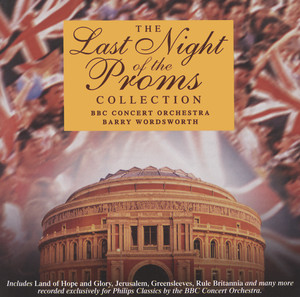 | Fantasia on Greensleeves | Ralph Vaughan Williams, BBC Concert Orchestra, Barry Wordsworth | C Minor | 0 | 5A | 96 BPM | |
 | Simple Symphony, Op. 4: III. Sentimental Sarabande | Benjamin Britten, Camerata Nordica, Terje Tonnesen | G Minor | 0 | 6A | 85 BPM | |
 | Dolly Suite, Op. 56: I. Berceuse | Gabriel Fauré, Katia Labèque, Marielle Labèque | E Major | 0 | 12B | 63 BPM | |
 | Rhapsody Under A High Sky | Archibald James Potter, RTE Sinfonietta, Proinnsias O'Duinn | C Major | 1 | 8B | 106 BPM | |
 | Romance, Op. 11 | Gerald Finzi, London Philharmonic Orchestra, Sir Adrian Boult | A♭ Major | 1 | 4B | 82 BPM | |
 | Suite No. 3 in D Major, BWV 1068: II. Air | Johann Sebastian Bach, Sir Neville Marriner, Academy of St. Martin in the Fields | D Major | 1 | 10B | 89 BPM | |
 | In the Fen Country - Symphonic Impression | Ralph Vaughan Williams, New Queen's Hall Orchestra, Barry Wordsworth | F Major | 0 | 7B | 64 BPM |
- ISRC
- GBAYD8400244
- Label
- L-M Records/RCA Records