- BPM
- 119
- Key
- G Minor
- Camelot
- 6A
Tartini: Sinfonia in A Major for Strings: III. Menuett; Allegro assa by Giuseppe Tartini, Zurich Chamber Orchestra, Edmond De Stoutz Song Details
"Tartini: Sinfonia in A Major for Strings: III. Menuett; Allegro assa" by Giuseppe Tartini, Zurich Chamber Orchestra, Edmond De Stoutz had its release date on November 25, 2014. The duration of This song is about two minutes long, specifically at 2:12. This song does not appear to have any foul language. Tartini: Sinfonia in A Major for Strings: III. Menuett; Allegro assa's duration is considered a little bit shorter than the average duration of a typical track. The song is number 49 out of 129 in Big Baroque Box, Vol III by Various Artists. Going off of the ISRC code of this track, we detected that the origin of this track is from United States. In terms of popularity, Tartini: Sinfonia in A Major for Strings: III. Menuett; Allegro assa is currently unknown. In our opinion, the overall tone is not very danceable and projects negative sounds, such as being sad, depressed, or angry.
BPM and Tempo
The tempo marking of Tartini: Sinfonia in A Major for Strings: III. Menuett; Allegro assa by Giuseppe Tartini, Zurich Chamber Orchestra, Edmond De Stoutz is Moderato (at a moderate speed), since this song has a tempo of 119 BPM. With that information, we can conclude that the song has a moderate tempo. This song can go great with walking. The time signature for this track is 3/4.
Music Key
This song is in the music key of G Minor. Because this track belongs in the G Minor key, the camelot key is 6A. So, the perfect camelot match for 6A would be either 6A or 5B. While, a low energy boost can consist of either 6B or 7A. For moderate energy boost, you would use 3A and a high energy boost can either be 8A or 1A. However, if you are looking for a low energy drop, finding a song with a camelot key of 5A would be a great choice. Where 9A would give you a moderate drop, and 4A or 11A would be a high energy drop. Lastly, 9B allows you to change the mood.
Want to find the BPM and music key for other songs? Check out our BPM and Key Finder page!
- Popularity
- 0%
- Loudness
- -15.125 dB
- Acousticness
- 77%
- Danceability
- 27%
- Energy
- 24%
- Instrumentalness
- 9%
- Liveness
- 11%
- Loudness
- 75%
- Speechiness
- 4%
- Valence
- 14%
Recommendations
| Track | Artist | Key | Energy | Camelot | BPM | ||
|---|---|---|---|---|---|---|---|
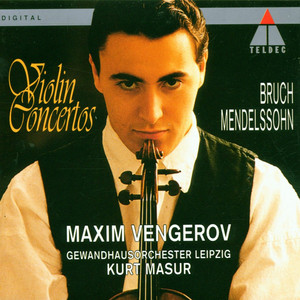 | Bruch: Violin Concerto No. 1 in G Minor, Op. 26: I. Prelude. Allegro moderato | Max Bruch, Maxim Vengerov, Kurt Masur, Gewandhausorchester | E♭ Major | 1 | 5B | 113 BPM | |
 | Introduction and Rondo capriccioso in A Minor | Camille Saint-Saëns, Dong-Suk Kang, Polish National Radio Symphony Orchestra, Antoni Wit | A Minor | 1 | 8A | 91 BPM | |
 | Sarasate: Introduction et Tarantelle, Op. 43 | Pablo de Sarasate, Itzhak Perlman, Abbey Road Ensemble | G Major | 2 | 9B | 117 BPM | |
 | Concerto grosso in C Minor, Op. 2, No. 1: IV. Allegro | Francesco Geminiani, Capella Istropolitana, Jaroslav Krcek | C Minor | 1 | 5A | 180 BPM | |
 | Cello Concerto in A Major: 2. Larghetto | Giuseppe Tartini, Mstislav Rostropovich, Orchestra of the Collegium Musicum, Paul Sacher | B Major | 5 | 1B | 114 BPM | |
 | Csardas: Csardas | Vittorio Monti, Robert Koenig, Si-Qing Lu | D Major | 1 | 10B | 170 BPM | |
 | Concerto in A minor, D.115: I. Andante cantabile – Allegro assai | Gordan Nikolitch, violin | E Minor | 2 | 9A | 62 BPM | |
 | 24 caprices en formes d'etudes: No. 8 in F-Sharp Minor | Pierre Rode, Axel Strauss | F♯ Minor | 3 | 11A | 83 BPM | |
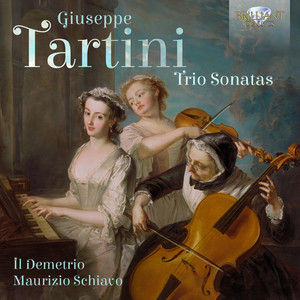 | Trio Sonata in D Major, D01: III. Allegro | Giuseppe Tartini, Maurizio Schiavo, Ayako Matsunaga, Antonio Papetti, Danilo Costantini, Il Demetrio | A♭ Minor | 0 | 1A | 78 BPM | |
 | Bach, JS: Concerto for Two Violins in D Minor, BWV 1043: III. Allegro | Johann Sebastian Bach, Itzhak Perlman, Pinchas Zukerman, English Chamber Orchestra, Daniel Barenboim | D Minor | 3 | 7A | 94 BPM | |
 | Concerto in A minor RV356 (Op. 3 No. 6): I. Allegro | Yehudi Menuhin, Polish Chamber Orchestra, Jerzy Maksymiuk | A Minor | 2 | 8A | 115 BPM | |
 | Orfeo ed Euridice, Wq. 30: Dance of the Blessed Spirits "Melody" (Arr. Sgambati for Piano) | Christoph Willibald Gluck, Yuja Wang | D Minor | 0 | 7A | 70 BPM | |
 | La ronde des Lutins | Antonio Bazzini, Christian Li, Timothy Young | G Major | 5 | 9B | 98 BPM | |
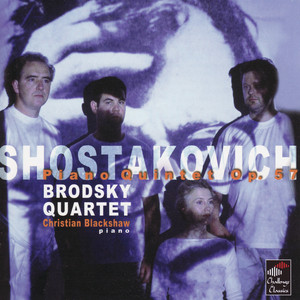 | Five pieces for Two Violins and Piano: III. Elegy- Andantino | Dmitri Shostakovich, Brodsky Quartet, Christian Blackshaw | B♭ Minor | 0 | 3A | 103 BPM | |
| Trio Sonata in D Major, D01: I. Allegro | Giuseppe Tartini, Maurizio Schiavo, Ayako Matsunaga, Antonio Papetti, Danilo Costantini, Il Demetrio | A♭ Minor | 0 | 1A | 78 BPM | |
 | Sonata in F major, HWV 370: III. Largo | George Frideric Handel, Riccardo Minasi | D Minor | 1 | 7A | 115 BPM | |
 | Royer: Pièces de clavecin, Book 1 (1746): No. 11 Le Vertigo - Rondeau | Joseph-Nicolas-Pancrace Royer, Jean Rondeau | F Minor | 3 | 4A | 129 BPM | |
| Cello Concerto in A Major: 3. Allegro assai (Cadenza by Mstislav Rostropovich) | Giuseppe Tartini, Mstislav Rostropovich, Orchestra of the Collegium Musicum, Paul Sacher | G Major | 0 | 9B | 66 BPM | |
 | Viola Concerto in C Minor: III. Allegro molto energico | Johann Christian Bach, Henri Casadesus, Nemanja Radulović, Double Sens | G Minor | 3 | 6A | 79 BPM | |
 | Violin Concerto in E Minor, Op. 64, MWV O14: I. Allegro molto appassionato | Felix Mendelssohn, Hilary Hahn, Hugh Wolff, Oslo Philharmonic Orchestra, Oslo-Filharmonien | A Minor | 2 | 8A | 63 BPM | |
 | Romanian Folk Dances, Sz. 56 - Arr. for String Orchestra by Arthur Wilner | Béla Bartók, Orchestra of the Swan, David le Page | B Minor | 0 | 10A | 78 BPM | |
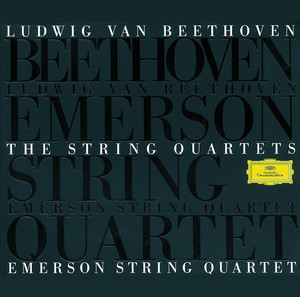 | String Quartet No. 4 in C Minor, Op. 18 No. 4: 1. Allegro ma non tanto | Ludwig van Beethoven, Emerson String Quartet | C Minor | 1 | 5A | 153 BPM | |
| Trio Sonata in D Major, D01: II. Andante | Giuseppe Tartini, Maurizio Schiavo, Ayako Matsunaga, Antonio Papetti, Danilo Costantini, Il Demetrio | D♭ Minor | 1 | 12A | 87 BPM | |
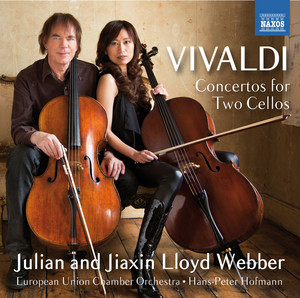 | Concerto for 2 Mandolins in G Major, RV 532: III. Allegro | Julian Lloyd Webber, Jiaxin Lloyd Webber, European Union Chamber Orchestra, Hanspeter Hofmann | G Minor | 1 | 6A | 108 BPM | |
 | Orfeo ed Euridice, Wq. 30: Dance Of The Furies | Christoph Willibald Gluck, Orpheus Chamber Orchestra | D Minor | 4 | 7A | 150 BPM |
- ISRC
- USKO11401987
- Label
- L-M Records/RCA Records