- BPM
- 94
- Key
- B Major
- Camelot
- 1B
Samson et Dalila, Op. 47, R. 288 / Act 1: Dieu! Dieu d'Israël! by Camille Saint-Saëns, Orchestre de Paris, Daniel Barenboim, Choeur de l'Orchestre de Paris, Arthur Oldham Song Details
"Samson et Dalila, Op. 47, R. 288 / Act 1: Dieu! Dieu d'Israël!" by Camille Saint-Saëns, Orchestre de Paris, Daniel Barenboim, Choeur de l'Orchestre de Paris, Arthur Oldham had its release date on January 1, 1979. Since This song is still less than 10 minute long, it is still considered a pretty long duration song compared to the average song length. This song does not appear to be explicit due to the lack of the "E" tag. There are a total of 24 in the song's album "Saint-Saëns: Samson et Dalila". In this album, this song's track order is #1. Furthermore, we believe that the track originated from Germany. In terms of popularity, Samson et Dalila, Op. 47, R. 288 / Act 1: Dieu! Dieu d'Israël! is currently not that popular. In our opinion, the overall tone is not very danceable and projects negative sounds, such as being sad, depressed, or angry.
BPM and Tempo
With Samson et Dalila, Op. 47, R. 288 / Act 1: Dieu! Dieu d'Israël! by Camille Saint-Saëns, Orchestre de Paris, Daniel Barenboim, Choeur de l'Orchestre de Paris, Arthur Oldham having a BPM of 94 with a half-time of 47 BPM and a double-time of 188 BPM, we would consider this track to have a Andante (at a walking pace) tempo marking. Because of this, we believe that the song has an overall slow tempo. Looking at the BPM of this song, this song might go great with yoga or pilates. The time signature for this track is 4/4.
Music Key
B Major is the music key of this track. Or for those who are familiar with the camelot wheel, this song has a camelot key of 1B. So, the perfect camelot match for 1B would be either 1B or 2A. While, 2B can give you a low energy boost. For moderate energy boost, you would use 10B and a high energy boost can either be 3B or 8B. Though, if you want a low energy drop, you should looking for songs with either a camelot key of 1A or 12B will give you a low energy drop, 4B would be a moderate one, and 11B or 6B would be a high energy drop. Lastly, 10A allows you to change the mood.
Want to find the BPM and music key for other songs? Check out our BPM and Key Finder page!
- Popularity
- 9%
- Loudness
- -13.992 dB
- Acousticness
- 96%
- Danceability
- 25%
- Energy
- 34%
- Instrumentalness
- 1%
- Liveness
- 14%
- Loudness
- 77%
- Speechiness
- 4%
- Valence
- 16%
Recommendations
| Track | Artist | Key | Energy | Camelot | BPM | ||
|---|---|---|---|---|---|---|---|
 | Le Cygne | Camille Saint-Saëns, Philippa Davies, Thelma Owen | A♭ Minor | 0 | 1A | 67 BPM | |
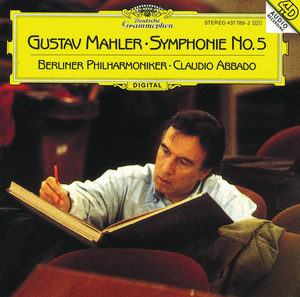 | Symphony No. 5: IV. Adagietto. Sehr langsam | Gustav Mahler, Berliner Philharmoniker, Claudio Abbado | F Major | 0 | 7B | 91 BPM | |
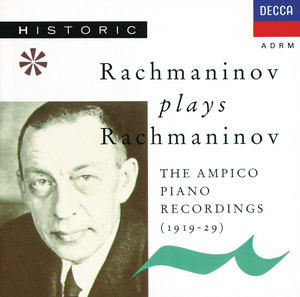 | Prélude in C-Sharp Minor, Op. 3, No. 2 | Sergei Rachmaninoff | F♯ Minor | 1 | 11A | 115 BPM | |
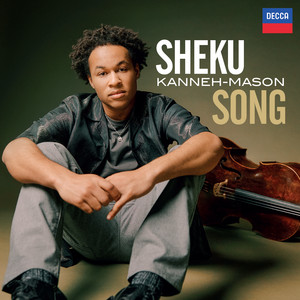 | Come, Sweet Death, BWV 478 (Arr. for 5 Cellos) | Sheku Kanneh-Mason, Hannah Roberts, Ben Davies, Desmond Neysmith, Max Ruisi | C Major | 0 | 8B | 122 BPM | |
 | Grieg: Peer Gynt, Op. 23: Morning Mood (Transcr. Katsaris for Piano) | Edvard Grieg, Cyprien Katsaris | E Major | 0 | 12B | 145 BPM | |
 | The Lark | Mikhail Glinka, Evgeny Kissin | B♭ Minor | 0 | 3A | 96 BPM | |
 | L'Arlésienne Suite No. 2 (Arr. Guiraud): III. Menuet | Georges Bizet, Orchestre Symphonique de Montréal, Charles Dutoit | E♭ Major | 0 | 5B | 128 BPM | |
 | Salut d'amour, Op. 12 (version for orchestra) | Edward Elgar, Slovak Radio Symphony Orchestra, Adrian Leaper | B♭ Major | 1 | 6B | 82 BPM | |
 | Satie / Orch. Ducros: Gymnopédie No. 1 | Erik Satie, Gautier Capuçon, Jerome Ducros, Adrien Perruchon, Orchestre de chambre de Paris | G Minor | 0 | 6A | 170 BPM | |
 | Zigeunerweisen, Op. 20: III. Un poco piú lento | Pablo de Sarasate, Jascha Heifetz, William Steinberg, RCA Victor Symphony Orchestra | C Minor | 1 | 5A | 100 BPM | |
 | Cello Sonata: II. — | Tamara Konstantin, Jiaxin Lloyd Webber | A Major | 0 | 11B | 70 BPM | |
 | Carnival of the Animals, R. 125: Introduction and Royal March of the Lion | Camille Saint-Saëns, Philippe Entremont, Gaby Casadesus, Yo-Yo Ma, Michel Cerruti, Michel Cals, Régis Pasquier, Yan Pascal Tortelier, Gabin Lauridon, Gerard Causse, Alain Marion, Michel Arrignon | G Major | 2 | 9B | 90 BPM | |
 | Symphony No. 10 in E Minor, Op. 93: II. Allegro | Dmitri Shostakovich, Royal Liverpool Philharmonic Orchestra, Vasily Petrenko | B♭ Minor | 6 | 3A | 89 BPM | |
 | Saint- Saëns: Introduction and Rondo Capriccioso, Op. 28 | Camille Saint-Saëns, Min Kym | A Minor | 1 | 8A | 90 BPM | |
 | Lyric Pieces, Book VI, Op. 57: No. 6, Hjemve. Andante | Edvard Grieg, Javier Perianes | E Minor | 0 | 9A | 166 BPM | |
 | 13 Preludes, Op. 32: No. 5 in G Major. Moderato | Sergei Rachmaninoff, Idil Biret | G Major | 0 | 9B | 74 BPM | |
 | Matthäus-Passion, BWV 244: Erbarme dich mein Gott | Yo-Yo Ma, Johann Sebastian Bach, Ton Koopman, Amsterdam Baroque Orchestra | B♭ Minor | 1 | 3A | 91 BPM | |
 | Ave Maria | Charles Gounod, Yo-Yo Ma, Kathryn Stott | C Major | 0 | 8B | 87 BPM | |
 | Zdes' khorosho ('How Fair This Spot'), Op. 21, No. 7 | Sergei Rachmaninoff, Pablo Ferrandez, Denis Kozhukhin | A Major | 0 | 11B | 87 BPM | |
 | Borodin - String Quartet No.2 in D major: Notturno: Andante | Alexander Borodin, Borodin Quartet | A Major | 2 | 11B | 74 BPM | |
 | Violin Concerto No. 1 in G Minor, Op. 26: II. Adagio | Max Bruch, Itzhak Perlman, Bernard Haitink, Royal Concertgebouw Orchestra | E♭ Major | 1 | 5B | 87 BPM | |
 | Kinderszenen, Op. 15: I. Von fremden Ländern und Menschen | Robert Schumann, Martha Argerich | G Major | 0 | 9B | 128 BPM | |
 | Adagio for Strings, Op. 11 | Samuel Barber, Leonard Bernstein, New York Philharmonic | B♭ Minor | 1 | 3A | 88 BPM | |
 | Symphonie espagnole, Op. 21: I. Allegro non troppo | Édouard Lalo, Itzhak Perlman, Orchestre de Paris, Daniel Barenboim | D Minor | 1 | 7A | 75 BPM | |
 | Le carnaval des animaux (The Carnival of the Animals): Le cygne (The Swan) | Stockholm Chamber Duo | E Major | 1 | 12B | 119 BPM |
- ISRC
- DEF057830011
- Label
- L-M Records/RCA Records