- BPM
- 106
- Key
- D♭ Major
- Camelot
- 3B
Reineke Fuchs (Arr. H. Ruhmann for Narrator & Chamber Ensemble): Gesang No. 6, — by Peter Kiesewetter, Heinz Rühmann, Symphonieorchester des Bayerischen Rundfunks Song Details
Peter Kiesewetter, Heinz Rühmann, Symphonieorchester des Bayerischen Rundfunks's ' "Reineke Fuchs (Arr. H. Ruhmann for Narrator & Chamber Ensemble): Gesang No. 6, —" was released on its scheduled release date, January 1, 2016. Since This song is still less than 10 minute long, it is still considered a pretty long duration song compared to the average song length. This song does not appear to be explicit due to the lack of the "E" tag. The track order of this song in Peter Kiesewetter, Heinz Rühmann's "Kiesewetter: Reineke Fuchs (Arr. H. Ruhmann for Narrator & Chamber Ensemble)" album is number 12 out of 25. On top of that, Germany appears to be the country where this track was created. In terms of popularity, Reineke Fuchs (Arr. H. Ruhmann for Narrator & Chamber Ensemble): Gesang No. 6, — is currently unknown. Even with the track produces more of a neutral energy, it is pretty danceable compared to others.
BPM and Tempo
We consider the tempo marking of Reineke Fuchs (Arr. H. Ruhmann for Narrator & Chamber Ensemble): Gesang No. 6, — by Peter Kiesewetter, Heinz Rühmann, Symphonieorchester des Bayerischen Rundfunks to be Andante (at a walking pace) because the track has a tempo of 106 BPM, a half-time of 53BPM, and a double-time of 212 BPM. Based on that, the speed of the song's tempo is slow. The time signature for this track is 5/4.
Music Key
This song has a musical key of D♭ Major. This also means that this song has a camelot key of 3B. So, the perfect camelot match for 3B would be either 3B or 4A. While, 4B can give you a low energy boost. For moderate energy boost, you would use 12B and a high energy boost can either be 5B or 10B. Though, if you want a low energy drop, you should looking for songs with either a camelot key of 3A or 2B will give you a low energy drop, 6B would be a moderate one, and 1B or 8B would be a high energy drop. Lastly, 12A allows you to change the mood.
Want to find the BPM and music key for other songs? Check out our BPM and Key Finder page!
- Popularity
- 0%
- Loudness
- -25.219 dB
- Acousticness
- 89%
- Danceability
- 67%
- Energy
- 23%
- Instrumentalness
- 0%
- Liveness
- 30%
- Loudness
- 58%
- Speechiness
- 96%
- Valence
- 40%
Recommendations
| Track | Artist | Key | Energy | Camelot | BPM | ||
|---|---|---|---|---|---|---|---|
 | Piano Trio No. 1 in B Major, Op. 8: II. Scherzo (Allegro molto) | Johannes Brahms, Maria João Pires, Augustin Dumay, Jian Wang | B Major | 1 | 1B | 79 BPM | |
 | Legende, Op. 17: Andante - Allegro moderato - Tempo I | Henryk Wieniawski, Gil Shaham, London Symphony Orchestra, Lawrence Foster | G Minor | 1 | 6A | 75 BPM | |
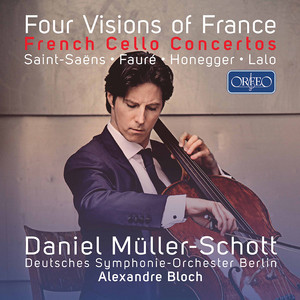 | Cello Concerto No. 1 in A Minor, Op. 33, R. 193: III. Allegro non troppo | Camille Saint-Saëns, Daniel Müller-Schott, Deutsches Symphonie-Orchester Berlin, Alexandre Bloch | F Major | 0 | 7B | 78 BPM | |
 | Brahms - Op.116 No.2 Intermezzo A minor | Elena Kuschnerova | A Minor | 0 | 8A | 132 BPM | |
 | Bach, JS: Violin Sonata No. 4 in C Minor, BWV 1017: I. Largo (Live) | Martha Argerich, Tedi Papavrami | F Minor | 1 | 4A | 177 BPM | |
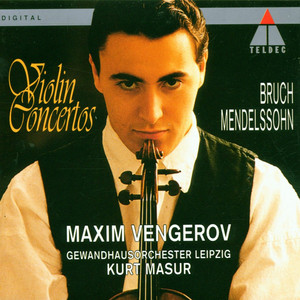 | Bruch : Violin Concerto No.1 in G minor Op.26 : III Finale - Allegro energico | Max Bruch, Maxim Vengerov, Kurt Masur, Gewandhausorchester Leipzig | G Major | 2 | 9B | 90 BPM | |
 | 2 Pieces for Cello and Piano: I. Langsam | Anton Webern, Thomas Demenga, Thomas Larcher | D Major | 0 | 10B | 94 BPM | |
 | Nocturne No. 13 in B Minor, Op. 119 | Gabriel Fauré, Kun-Woo Paik | E Minor | 1 | 9A | 68 BPM | |
 | Nielsen: 5 Piano Pieces, Op. 3: No. 1, Folk Tune | Carl Nielsen, Leif Ove Andsnes | C Major | 0 | 8B | 76 BPM | |
 | Sicilienne in E-Flat Major (Arr. T. Miteva for Cello & Chamber Orchestra) | Maria Theresia von Paradis, Teodora Miteva, World Chamber Orchestra | F Minor | 0 | 4A | 122 BPM | |
 | Velvet Valves (Six Romantic Trio Arrangements): Melodia (After Pyotr Ilyich Tchaikovsky) | David Riniker, Sarah Willis, Kotowa Machida, Philip Mayers, Klaus Wallendorf | E♭ Major | 0 | 5B | 173 BPM | |
 | Divertimento in D Major, Hob. XI.113: I. Adagio | Franz Joseph Haydn, Denis Brott, Samuel Sanders | D Major | 1 | 10B | 145 BPM | |
 | Ravel: Violin Sonata No. 2 in G Major, M. 77: II. Blues. Moderato | Maurice Ravel, Vadim Repin | A Major | 1 | 11B | 123 BPM | |
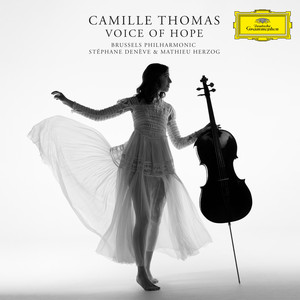 | "Kol Nidrei" Adagio for Cello and Orchestra, Op. 47: II. Un poco più animato | Max Bruch, Camille Thomas, Brussels Philharmonic, Mathieu Herzog | D Major | 1 | 10B | 92 BPM | |
 | 3 Romances sans paroles, Op. 7: 2. Désespoir | Henri Vieuxtemps, Janine Jansen, Antonio Pappano | A♭ Major | 5 | 4B | 100 BPM | |
 | Cello Sonata in C Major, Op. 119: I. Andante grave | Sergei Prokofiev, Michael Grebanier, Janet Guggenheim | C Major | 0 | 8B | 130 BPM | |
 | Variations on a Rococo Theme, Op. 33, TH 57: Var. V: Allegro moderato | Pyotr Ilyich Tchaikovsky, Jean-Guihen Queyras, BBC Symphony Orchestra, Jiří Bělohlávek | A Major | 0 | 11B | 107 BPM | |
 | Much ado about nothing - Incidental Music: No. 2 The Maiden in the Bridal Chamber | Erich Wolfgang Korngold, Gil Shaham, André Previn | D♭ Major | 1 | 3B | 88 BPM | |
 | Cello Concerto No. 2 in D Major, Hob.VIIb:2: II. Adagio - Cadenza: Natalia Gutman | Franz Joseph Haydn, Natalia Gutman, Mischa Maisky, Chamber Orchestra of Europe | A Major | 0 | 11B | 85 BPM | |
 | Piano Trio No. 1 in D minor, Op. 32: 2. Scherzo: Allegro molto | Anton Arensky, Beaux Arts Trio | F Major | 2 | 7B | 86 BPM | |
 | String Quartet in G minor, Op. 27: 4. Finale (Lento - Presto al Saltarello) | Edvard Grieg, Emerson String Quartet | F Major | 2 | 7B | 147 BPM | |
 | Bartók: Romanian Folk Dances, Sz. 56: No. 1, Stick Dance (Transcr. Strauss & Rizikov for Cello and Piano) | Béla Bartók, Lisa Strauss, Anastasia Rizikov | F Major | 0 | 7B | 97 BPM | |
 | Piano Trio in D Minor, Op. 11: I. Allegro molto vivace | Fanny Mendelssohn, Nash Ensemble | D Minor | 2 | 7A | 83 BPM | |
 | Violin Sonata in B Minor, P. 110: I. Moderato | Ottorino Respighi, Tasmin Little, Piers Lane | E Major | 1 | 12B | 86 BPM | |
 | Suite for Violoncello and Orchestra, Op. 16: II. Sérenade. Andantino | Camille Saint-Saëns, Maximilian Hornung, Sebastian Tewinkel | B Minor | 1 | 10A | 86 BPM |
- ISRC
- DEB958411012
- Label
- L-M Records/RCA Records