- BPM
- 118
- Key
- D Minor
- Camelot
- 7A
String Quartet No. 1 In D Major, Op. 11, TH.111: 3. Scherzo: Allegro non tanto - Trio by Pyotr Ilyich Tchaikovsky, Emerson String Quartet Song Details
Pyotr Ilyich Tchaikovsky, Emerson String Quartet's ' "String Quartet No. 1 In D Major, Op. 11, TH.111: 3. Scherzo: Allegro non tanto - Trio" was released on its scheduled release date, January 1, 1986. With this song being around four minutes long, at 3:45, the duration of this song is pretty average compared to other songs. This track is safe for children and doesn't appear to contain any foul language, since the "Explicit" tag was not present in this track. The song is number 7 out of 12 in Dvorák / Tchaikovsky / Borodin: String Quartets by Emerson String Quartet. Going off of the ISRC code of this track, we detected that the origin of this track is from Germany. In terms of popularity, String Quartet No. 1 In D Major, Op. 11, TH.111: 3. Scherzo: Allegro non tanto - Trio is currently not that popular. Since there is more of a neutral sound being played, this makes the track somewhat danceable.
BPM and Tempo
The tempo marking of String Quartet No. 1 In D Major, Op. 11, TH.111: 3. Scherzo: Allegro non tanto - Trio by Pyotr Ilyich Tchaikovsky, Emerson String Quartet is Moderato (at a moderate speed), since this song has a tempo of 118 BPM. With that information, we can conclude that the song has a moderate tempo. This song can go great with walking. The time signature for this track is 3/4.
Music Key
This song has a musical key of D Minor. Because this track belongs in the D Minor key, the camelot key is 7A. So, the perfect camelot match for 7A would be either 7A or 6B. While, a low energy boost can consist of either 7B or 8A. For moderate energy boost, you would use 4A and a high energy boost can either be 9A or 2A. However, if you are looking for a low energy drop, finding a song with a camelot key of 6A would be a great choice. Where 10A would give you a moderate drop, and 5A or 12A would be a high energy drop. Lastly, 10B allows you to change the mood.
Want to find the BPM and music key for other songs? Check out our BPM and Key Finder page!
- Popularity
- 8%
- Loudness
- -19.2 dB
- Acousticness
- 96%
- Danceability
- 53%
- Energy
- 13%
- Instrumentalness
- 92%
- Liveness
- 10%
- Loudness
- 68%
- Speechiness
- 5%
- Valence
- 44%
Recommendations
| Track | Artist | Key | Energy | Camelot | BPM | ||
|---|---|---|---|---|---|---|---|
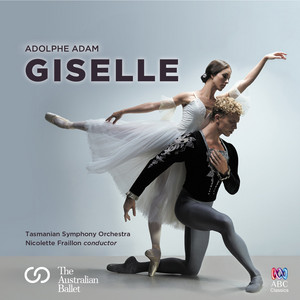 | Giselle, Act 1: No. 3 Giselle’s Entrance, Giselle and Albrecht first meet and are discovered by Hilarion | Adolphe Adam, Tasmanian Symphony Orchestra, Nicolette Fraillon | E♭ Major | 1 | 5B | 88 BPM | |
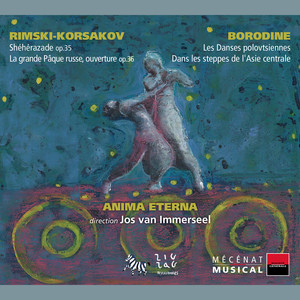 | Les danses polovtsiennes (Extraits de l'opéra Le Prince Igor): II. Danse des hommes | Alexander Borodin, Anima Eterna, Jos Van Immerseel | A Major | 0 | 11B | 87 BPM | |
 | Prince Igor: Polovtsian Dances (Version for Chorus) | Alexander Borodin, Kiev Chamber Choir, Ukraine National Radio Symphony Orchestra, Theodore Kuchar | A Major | 2 | 11B | 110 BPM | |
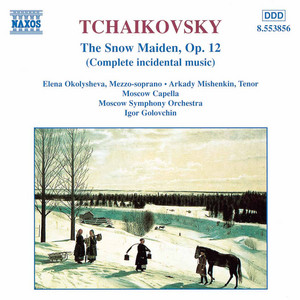 | The Snow Maiden, Op. 12: XIII. Dance Of The Tumblers | Moscow Symphony Orchestra, Elena Okolysheva, Arkady Mishenkin, Moscow Capella, Pyotr Ilyich Tchaikovsky | A Major | 3 | 11B | 176 BPM | |
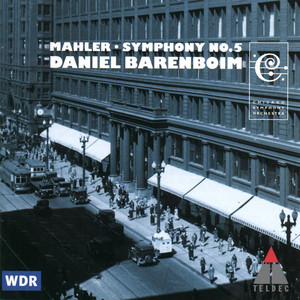 | Mahler: Symphony No. 5 in C-Sharp Minor: IV. Adagietto. Sehr langsam | Gustav Mahler, Daniel Barenboim, Chicago Symphony Orchestra | F Major | 1 | 7B | 82 BPM | |
 | La Bella Durmiente Adagio | Orquestra Sinfonica De Radio Praga | E♭ Major | 1 | 5B | 60 BPM | |
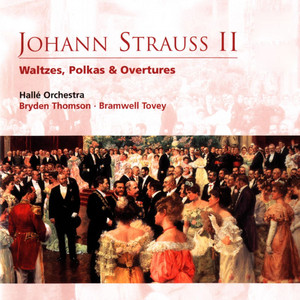 | Vienna Blood - Waltz Op. 354 | Johann Strauss II, Hallé, Bryden Thomson | C Major | 0 | 8B | 178 BPM | |
 | Peer Gynt Suite No. 1, Op. 46: I. Morning Mood | Edvard Grieg, Berliner Philharmoniker, Herbert von Karajan | E Major | 0 | 12B | 141 BPM | |
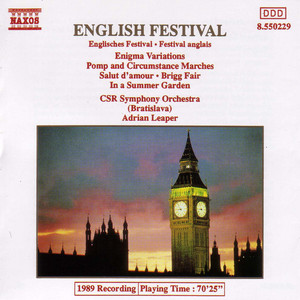 | Salut d'amour, Op. 12 (version for orchestra) | Edward Elgar, Slovak Radio Symphony Orchestra, Adrian Leaper | B♭ Major | 1 | 6B | 82 BPM | |
 | Hungarian Dance No. 1 in G Minor: Allegro molto | Johannes Brahms, Staatskapelle Berlin | G Minor | 1 | 6A | 91 BPM | |
 | Coriolan, Op. 62: Coriolan Overture, Op. 62 | Ludwig van Beethoven, Berliner Philharmoniker, Herbert von Karajan | F Minor | 2 | 4A | 76 BPM | |
 | La forza del destino: Overture (Sinfonia) | Giuseppe Verdi, Berliner Philharmoniker, Claudio Abbado | E Minor | 2 | 9A | 80 BPM | |
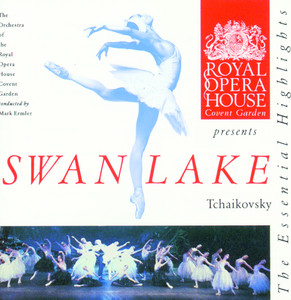 | Swan Lake, Op. 20: Op. 20: Act IV No. 29, Scène Finale | Pyotr Ilyich Tchaikovsky, Orchestra of the Royal Opera House, Covent Garden, Mark Ermler | B Major | 4 | 1B | 113 BPM | |
 | Petrushka: Tableau 1: Russian Dance (1911 Version) | Igor Stravinsky, Robert Groslot, Brussels Philharmonic, Ali Rahbari | C Major | 5 | 8B | 81 BPM | |
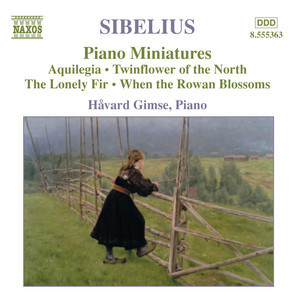 | 13 Pieces, Op. 76: No. 2 Etude | Jean Sibelius, Håvard Gimse | A Minor | 2 | 8A | 72 BPM | |
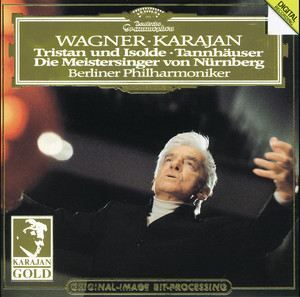 | Tristan und Isolde, Act III: Liebestod (Concert Version) | Richard Wagner, Berliner Philharmoniker, Herbert von Karajan | B Major | 2 | 1B | 94 BPM | |
 | Tale of Tsar Saltan, Op. 57: Flight of the Bumblebee: Flight of the Bumble-Bee | Nikolai Rimsky-Korsakov, Slovak Radio Symphony Orchestra, Anthony Bramall | D Minor | 0 | 7A | 77 BPM | |
 | Piano Concerto No. 2 in F Major, Op. 102: II. Andante | Dmitri Shostakovich, Boris Giltburg, Royal Liverpool Philharmonic Orchestra, Vasily Petrenko | C Minor | 0 | 5A | 80 BPM | |
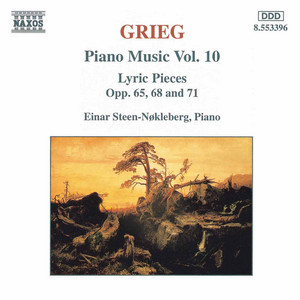 | Lyric Pieces, Book 9, Op. 68: Badnlat (Cradle Song) | Edvard Grieg, Einar Steen-Nøkleberg | B♭ Major | 0 | 6B | 72 BPM | |
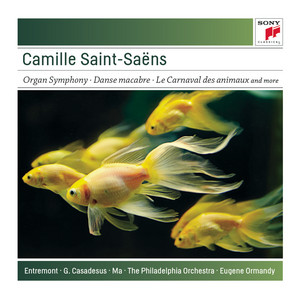 | Carnival of the Animals, R. 125: The Swan | Camille Saint-Saëns, Philippe Entremont, Gaby Casadesus, Yo-Yo Ma, Michel Cerruti, Michel Cals, Régis Pasquier, Yan Pascal Tortelier, Gabin Lauridon, Gerard Causse, Alain Marion, Michel Arrignon | G Major | 0 | 9B | 118 BPM | |
 | Tango jalousie | Jacob Gade, Sakari Oramo, Wiener Philharmoniker | D Major | 1 | 10B | 72 BPM | |
 | Aleko: Intermezzo | Sergei Rachmaninoff, Berliner Philharmoniker, Lorin Maazel | B♭ Major | 0 | 6B | 90 BPM | |
 | Holberg Suite, Op. 40: IV. Air (Andante religioso) | Edvard Grieg, Gothenburg Symphony Orchestra, Neeme Järvi | C Major | 1 | 8B | 79 BPM | |
 | Humoresque No. 7 in G-flat Major, Op. 101 | Boston Symphony Orchestra, Yo-Yo Ma, Seiji Ozawa, Itzhak Perlman | F♯ Major | 1 | 2B | 83 BPM | |
 | Cello Sonata in G Minor, Op. 65: III. Largo | Frédéric Chopin, Emmanuelle Bertrand, Pascal Amoyel | B♭ Major | 0 | 6B | 89 BPM |
- ISRC
- DEF058402983
- Label
- L-M Records/RCA Records