- BPM
- 123
- Key
- F Major
- Camelot
- 7B
Strike Up The Band by George Gershwin, Boston Pops Orchestra, John Williams Song Details
George Gershwin, Boston Pops Orchestra, John Williams's 'Strike Up The Band' had a release date set for May 20, 1996. The duration of This song is about two minutes long, specifically at 2:49. This song does not appear to have any foul language. Strike Up The Band's duration is considered a little bit shorter than the average duration of a typical track. There are a total of 12 in the song's album "Salute To America". In this album, this song's track order is #11. Based on our statistics, Strike Up The Band's popularity is not that popular right now. Although the tone can be danceable to some, this track does projects more of a negative sound rather than a postive one.
BPM and Tempo
With Strike Up The Band by George Gershwin, Boston Pops Orchestra, John Williams having a BPM of 123 with a half-time of 62 BPM and a double-time of 246 BPM, we would consider this track to have a Allegro (fast, quick, and bright) tempo marking. Because of this, we believe that the song has an overall fast tempo. Looking at the BPM of this song, this song might go great with walking. The time signature for this track is 4/4.
Music Key
This song is in the music key of F Major. Or for those who are familiar with the camelot wheel, this song has a camelot key of 7B. So, the perfect camelot match for 7B would be either 7B or 8A. While, 8B can give you a low energy boost. For moderate energy boost, you would use 4B and a high energy boost can either be 9B or 2B. Though, if you want a low energy drop, you should looking for songs with either a camelot key of 7A or 6B will give you a low energy drop, 10B would be a moderate one, and 5B or 12B would be a high energy drop. Lastly, 4A allows you to change the mood.
Want to find the BPM and music key for other songs? Check out our BPM and Key Finder page!
- Popularity
- 2%
- Loudness
- -18.012 dB
- Acousticness
- 65%
- Danceability
- 56%
- Energy
- 54%
- Instrumentalness
- 51%
- Liveness
- 29%
- Loudness
- 70%
- Speechiness
- 7%
- Valence
- 32%
Recommendations
| Track | Artist | Key | Energy | Camelot | BPM | ||
|---|---|---|---|---|---|---|---|
 | Enigma Variations, Op. 36: Var. 1. L'istesso tempo "C.A.E." | Edward Elgar, BBC Symphony Orchestra, Leonard Bernstein | G Minor | 0 | 6A | 81 BPM | |
 | Pelleas et Melisande Suite, Op. 80: III. Sicilienne | Gabriel Fauré, RTE Sinfonietta, John Georgiadis | D Minor | 0 | 7A | 70 BPM | |
 | Orfeo ed Euridice, Wq. 30: Dance of the Blessed Spirits "Melody" (Arr. Sgambati for Piano) | Christoph Willibald Gluck, Yuja Wang | D Minor | 0 | 7A | 70 BPM | |
 | Three Preludes: II. Andante con moto e poco rubato in C Sharp Minor | George Gershwin, Frank Braley | F♯ Major | 0 | 2B | 70 BPM | |
 | Lyric Pieces, Book 5, Op. 54: Nocturne | Edvard Grieg, Alessio Bax | C Major | 0 | 8B | 72 BPM | |
 | Pleasant Moments: Ragtime Waltz | Scott Joplin, Alexander Peskanov | G Major | 1 | 9B | 63 BPM | |
 | Adagio Assai | Ravel, Arturo Benedetti Michelangeli | E Major | 0 | 12B | 68 BPM | |
 | By the Sleepy Lagoon | Eric Coates, John Wilson, BBC Philharmonic | C Major | 1 | 8B | 77 BPM | |
 | Piano Trio: II. Tempo di marcia | Leonard Bernstein, Charles Bernard, Opus Two | C Major | 1 | 8B | 78 BPM | |
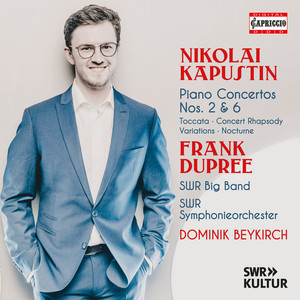 | Nocturne for Piano & Orchestra, Op. 16 | Nikolai Kapustin, Frank Dupree, SWR Symphonieorchester, Jakob Krupp, Meinhard Jenne, Dominik Beykirch | G Major | 2 | 9B | 93 BPM | |
 | 24 Preludes, Op. 53: Prelude No. 23 in F Major | Nikolai Kapustin, Catherine Gordeladze | B♭ Major | 2 | 6B | 81 BPM | |
 | Someone To Watch Over Me | George Gershwin, Zubin Mehta, New York Philharmonic | A Major | 1 | 11B | 171 BPM | |
 | Symphony No. 1, "Afro-american": Ii. Sorrow (Adagio) | William Grant Still, Fort Smith Symphony | F Major | 0 | 7B | 55 BPM | |
 | Scènes de ballet, Op. 52: II. Marionnettes | Alexander Glazunov, Moscow Philharmonic Orchestra, Alexander Anissimov | D Major | 0 | 10B | 69 BPM | |
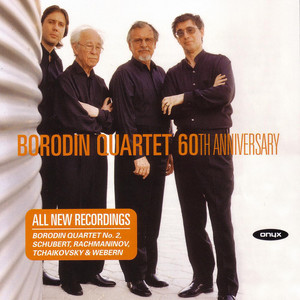 | Borodin - String Quartet No.2 in D major: Notturno: Andante | Alexander Borodin, Borodin Quartet | A Major | 2 | 11B | 74 BPM | |
 | Piano Concerto in F Major: III. Allegro agitato | George Gershwin, André Previn, Andre Kostelanetz, André Kostelanetz Orchestra | E Major | 2 | 12B | 136 BPM | |
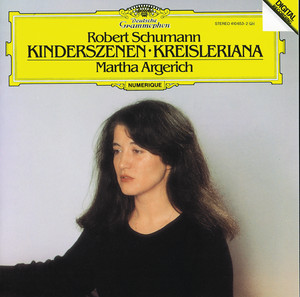 | Kinderszenen, Op. 15: I. Von fremden Ländern und Menschen | Robert Schumann, Martha Argerich | G Major | 0 | 9B | 128 BPM | |
 | The Seasons, Op. 67: XIV. Petit Adagio | Alexander Glazunov, Neeme Järvi, Royal Scottish National Orchestra | A Major | 1 | 11B | 87 BPM | |
 | Nocturne No. 20 In C-Sharp Minor, Op. Posth. | Jacques Loussier | F♯ Minor | 1 | 11A | 117 BPM | |
 | Gypsy Songs, Op. 55: IV. Songs My Mother Taught Me | Antonín Dvořák, Lucienne Renaudin Vary, Bill Elliott, BBC Concert Orchestra | A Minor | 1 | 8A | 95 BPM | |
 | Pelléas et Mélisande, Op. 80 (Arr. C. Koechlin): III. Andante moderato | Gabriel Fauré, Radio Sinfonieorchester Stuttgart des SWR, Heinz Holliger | N/A | N/A | N/A | 0 BPM | |
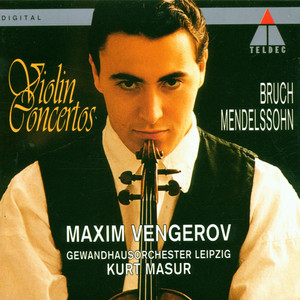 | Mendelssohn: Violin Concerto in E Minor, Op. 64, MWV O14: III. Allegretto non troppo - Allegro molto vivace | Felix Mendelssohn, Maxim Vengerov, Kurt Masur, Gewandhausorchester | E Major | 2 | 12B | 161 BPM | |
| Enigma Variations, Op. 36: Var. 9. Adagio "Nimrod" | Edward Elgar, BBC Symphony Orchestra, Leonard Bernstein | E♭ Major | 0 | 5B | 79 BPM | |
 | Let 'Em Eat Cake: Overture | George Gershwin, Michael Tilson Thomas, Buffalo Philharmonic Orchestra | G Major | 3 | 9B | 122 BPM | |
 | In the Steppes of Central Asia | Alexander Borodin, Royal Philharmonic Orchestra, Vladimir Ashkenazy | A Major | 0 | 11B | 69 BPM |
- ISRC
- This song does not have an ISRC.
- Label
- L-M Records/RCA Records