- BPM
- 119
- Key
- F♯ Minor
- Camelot
- 11A
Modus for Chamber Ensemble: Quarter Note = 56 by George Walker, Tara O'Connor, Robert Ingliss, William Anderson, Oren Fader, Calvin Wiersma, Susannah Chapman Song Details
"Modus for Chamber Ensemble: Quarter Note = 56" by George Walker, Tara O'Connor, Robert Ingliss, William Anderson, Oren Fader, Calvin Wiersma, Susannah Chapman had its release date on February 1, 2005. The duration of This song is about two minutes long, specifically at 2:01. This song does not appear to have any foul language. Modus for Chamber Ensemble: Quarter Note = 56's duration is considered a little bit shorter than the average duration of a typical track. The song is number 9 out of 21 in Composer/Pianist by George Walker, Tara O'Connor, Trent Johnson. Going off of the ISRC code of this track, we detected that the origin of this track is from United States. In terms of popularity, Modus for Chamber Ensemble: Quarter Note = 56 is currently unknown. Although the tone can be danceable to some, this track does projects more of a negative sound rather than a postive one.
BPM and Tempo
The tempo marking of Modus for Chamber Ensemble: Quarter Note = 56 by George Walker, Tara O'Connor, Robert Ingliss, William Anderson, Oren Fader, Calvin Wiersma, Susannah Chapman is Moderato (at a moderate speed), since this song has a tempo of 119 BPM. With that information, we can conclude that the song has a moderate tempo. This song can go great with walking. The time signature for this track is 4/4.
Music Key
This song is in the music key of F♯ Minor. This also means that this song has a camelot key of 11A. So, the perfect camelot match for 11A would be either 11A or 10B. While, a low energy boost can consist of either 11B or 12A. For moderate energy boost, you would use 8A and a high energy boost can either be 1A or 6A. However, if you are looking for a low energy drop, finding a song with a camelot key of 10A would be a great choice. Where 2A would give you a moderate drop, and 9A or 4A would be a high energy drop. Lastly, 2B allows you to change the mood.
Want to find the BPM and music key for other songs? Check out our BPM and Key Finder page!
- Popularity
- 0%
- Loudness
- -13.785 dB
- Acousticness
- 94%
- Danceability
- 41%
- Energy
- 29%
- Instrumentalness
- 39%
- Liveness
- 85%
- Loudness
- 77%
- Speechiness
- 4%
- Valence
- 11%
Recommendations
| Track | Artist | Key | Energy | Camelot | BPM | ||
|---|---|---|---|---|---|---|---|
 | Notturno for Strings and Harp | Arnold Schoenberg, Daniel Hope, Zürcher Kammerorchester, Jane Berthe | A♭ Major | 1 | 4B | 75 BPM | |
 | Color Field: I. Yellow | Anna Clyne, Baltimore Symphony Orchestra, Marin Alsop | G Major | 1 | 9B | 98 BPM | |
 | Gli Uccelli: II. La Columba | Orchestra of the Swan, Victoria Brawn | F♯ Minor | 1 | 11A | 90 BPM | |
 | Simple Symphony, Op. 4: Sentimental Sarabande | Benjamin Britten, Royal Northern Sinfonia, Steuart Bedford | G Minor | 0 | 6A | 75 BPM | |
 | Summer Music | Arnold Bax, Bryden Thomson, Ulster Orchestra | F Major | 0 | 7B | 73 BPM | |
 | Dido & Aeneas, Z. 626: When I Am Laid in Earth "Dido's Lament" (Transcr. L. Stokowski) | Henry Purcell, Timothy Walden, Bournemouth Symphony Orchestra, José Serebrier | E Major | 0 | 12B | 76 BPM | |
 | A Slumber Song of the Madonna (Arr. Parkin for Cello and Piano) | Samuel Barber, Sheku Kanneh-Mason, Isata Kanneh-Mason | D♭ Major | 0 | 3B | 111 BPM | |
 | Last Spring (Arr. for Violin and Orchestra from Op. 33 No. 2 by Ben Palmer) | Edvard Grieg, Eldbjørg Hemsing, Arctic Philharmonic | E Major | 1 | 12B | 78 BPM | |
 | Weinberg: Cello Concerto in C Minor, Op. 43: I. Adagio | Mieczysław Weinberg, Edgar Moreau, Andris Poga, WDR Sinfonieorchester | C Minor | 0 | 5A | 128 BPM | |
 | 3 Gymnopédies: No. 1, Lent et douloureux (Arr. for Clarinet & Orchestra by John Rutter) | Erik Satie, John Rutter, Manchester Camerata, Daniel Bayley | E Minor | 1 | 9A | 80 BPM | |
 | 5 Pieces for Violin and Piano: I. Elegia. Andante larghetto | Valentin Silvestrov, Duo Gazzana | E♭ Major | 0 | 5B | 74 BPM | |
 | Piccola reminiscenza | Giacomo Cataldo | B♭ Minor | 1 | 3A | 92 BPM | |
 | Symphony No. 5 in A Minor, Op. 90 "Sinfonia brevis": III. Intermezzo | Erkki Melartin, Turku Philharmonic Orchestra, Ari Rasilainen | E Minor | 2 | 9A | 134 BPM | |
 | Much Ado about Nothing Suite, Op. 11: IV. Intermezzo (Garden Scene) | Erich Wolfgang Korngold, Mineria Symphony Orchestra, Carlos Miguel Prieto | C Major | 0 | 8B | 108 BPM | |
 | wind whispers, Op. 85: II. floating leaf | Konstantia Gourzi, William Youn | F Major | 0 | 7B | 69 BPM | |
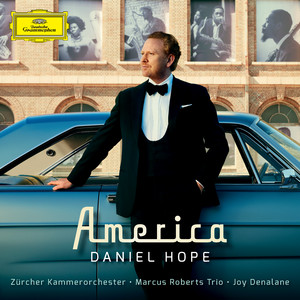 | Adoration (Version for Solo Violin and String Orchestra) | Florence Beatrice Price, Daniel Hope, Zürcher Kammerorchester | D Major | 1 | 10B | 80 BPM | |
 | Film music for Henry V: 2 Pieces for Strings: II. Passacaglia: Death of Falstaff | William Walton, Bournemouth Sinfonietta, Richard Studt | E Minor | 0 | 9A | 79 BPM | |
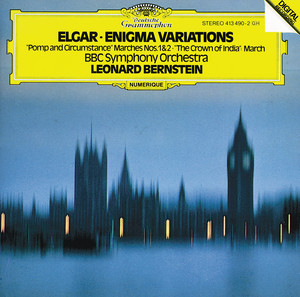 | Enigma Variations, Op. 36: Var. 9. Adagio "Nimrod" | Edward Elgar, BBC Symphony Orchestra, Leonard Bernstein | E♭ Major | 0 | 5B | 79 BPM | |
 | Love's Labour's Lost, Op. 28a: II. Longaville's Sonnet | Gerald Finzi, Robert Plane, Royal Northern Sinfonia, Howard Griffiths | D Minor | 0 | 7A | 94 BPM | |
 | Symphony in F Major, Op. 8, H. 47 "The Cotswolds": I. Allegro con brio | Gustav Holst, Ulster Orchestra, Joann Falletta | C Minor | 3 | 5A | 103 BPM | |
 | Emerald and Stone (Arr. Lawson) | Brian Eno, Jon Hopkins, Leo Abrahams, Jess Gillam, Jess Gillam Ensemble | D Major | 0 | 10B | 73 BPM | |
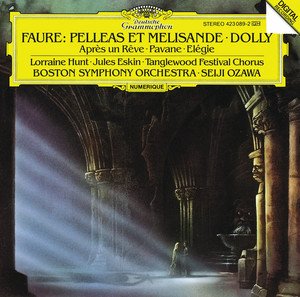 | Pelléas et Mélisande, Op. 80: 1. Prélude. Quasi Adagio | Gabriel Fauré, Boston Symphony Orchestra, Seiji Ozawa | F Major | 2 | 7B | 98 BPM | |
 | Sinfonia No. 2: III. Eighth note = 116 | George Walker, Gianandrea Noseda, National Symphony Orchestra, Kennedy Center | D Minor | 1 | 7A | 135 BPM | |
 | Phantasy Quintet: III. Alla Sarabanda: Lento | Ralph Vaughan Williams, Garfield Jackson, Maggini Quartet | E♭ Minor | 10 | 2A | 123 BPM | |
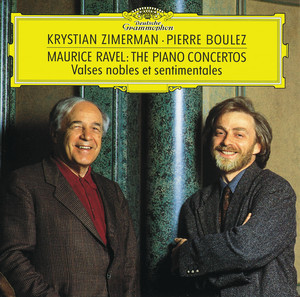 | Piano Concerto in G Major, M. 83: II. Adagio assai | Maurice Ravel, Krystian Zimerman, Cleveland Orchestra, Pierre Boulez | E Major | 0 | 12B | 74 BPM |
- ISRC
- USAB10612155
- Label
- L-M Records/RCA Records