- BPM
- 80
- Key
- B♭ Major
- Camelot
- 6B
Variations on an Original Theme, Op. 36 "Enigma": 12. B.G.N. (Andante) by Edward Elgar, London Symphony Orchestra, Eugen Jochum Song Details
"Variations on an Original Theme, Op. 36 "Enigma": 12. B.G.N. (Andante)" by Edward Elgar, London Symphony Orchestra, Eugen Jochum had its release date on January 1, 1975. The duration of This song is about two minutes long, specifically at 2:36. This song does not appear to have any foul language. Variations on an Original Theme, Op. 36 "Enigma": 12. B.G.N. (Andante)'s duration is considered a little bit shorter than the average duration of a typical track. The song is number 13 out of 25 in Elgar: Variations On An Original Theme, Op. 36 "Enigma" / Brahms: Variations On A Theme By Haydn, Op.56a by London Symphony Orchestra, Eugen Jochum. Going off of the ISRC code of this track, we detected that the origin of this track is from Germany. Variations on an Original Theme, Op. 36 "Enigma": 12. B.G.N. (Andante) is not that popular right now. In our opinion, the overall tone is not very danceable and projects negative sounds, such as being sad, depressed, or angry.
BPM and Tempo
The tempo marking of Variations on an Original Theme, Op. 36 "Enigma": 12. B.G.N. (Andante) by Edward Elgar, London Symphony Orchestra, Eugen Jochum is Andante (at a walking pace), since this song has a tempo of 80 BPM. With that information, we can conclude that the song has a slow tempo. The time signature for this track is 4/4.
Music Key
B♭ Major is the music key of this track. This also means that this song has a camelot key of 6B. So, the perfect camelot match for 6B would be either 6B or 7A. While, 7B can give you a low energy boost. For moderate energy boost, you would use 3B and a high energy boost can either be 8B or 1B. Though, if you want a low energy drop, you should looking for songs with either a camelot key of 6A or 5B will give you a low energy drop, 9B would be a moderate one, and 4B or 11B would be a high energy drop. Lastly, 3A allows you to change the mood.
Want to find the BPM and music key for other songs? Check out our BPM and Key Finder page!
- Popularity
- 4%
- Loudness
- -28.766 dB
- Acousticness
- 98%
- Danceability
- 8%
- Energy
- 3%
- Instrumentalness
- 55%
- Liveness
- 14%
- Loudness
- 52%
- Speechiness
- 5%
- Valence
- 4%
Recommendations
| Track | Artist | Key | Energy | Camelot | BPM | ||
|---|---|---|---|---|---|---|---|
 | Piano Concerto No. 2 in C Minor, Op. 18: I. Moderato | Sergei Rachmaninoff, Yuja Wang, Los Angeles Philharmonic, Gustavo Dudamel | G Minor | 3 | 6A | 97 BPM | |
 | Touch Her Soft Lips and Part (From "Henry V") | William Walton, John Rutter, Aurora Orchestra | D Major | 2 | 10B | 108 BPM | |
 | Piano Concerto in A Minor, Op. 7: II. Romanze. Andante non troppo con grazia | Clara Schumann, Veronica Jochum, Bamberg Symphony, Joseph Silverstein | A♭ Major | 0 | 4B | 96 BPM | |
 | Piano Trio No. 1 in D Minor, Op. 32: III. Elegie: Adagio | Anton Arensky, The Rembrandt Trio | G Minor | 0 | 6A | 76 BPM | |
 | Scottish Fantasy for Violin and Orchestra, Op. 46: I. Introduction: Grave, Adagio cantabile | Max Bruch, Joshua Bell, Academy of St. Martin in the Fields | E♭ Major | 2 | 5B | 60 BPM | |
 | Enigma Variations, Op. 36: Var. 5. Moderato "R.P.A." | Edward Elgar, BBC Symphony Orchestra, Leonard Bernstein | C Minor | 0 | 5A | 83 BPM | |
 | Romance for Violin and Piano, Op. 23 | Amy Beach, Esther Abrami, Iyad Sughayer | A Major | 2 | 11B | 87 BPM | |
 | Mozart: Clarinet Concerto in A Major, K. 622: II. Adagio | Wolfgang Amadeus Mozart, Sabine Meyer, Hans Vonk, Staatskapelle Dresden | D Major | 0 | 10B | 93 BPM | |
 | Trio Sonata for 2 Violins and Continuo in G Minor, HWV 393 "Dresden" No. 2: III. Largo (Arr. for Oboe, Violin, Harpsichord and Orchestra by Andreas Tarkmann) | George Frideric Handel, Albrecht Mayer, Sinfonia Varsovia, Jakub Haufa, Monika Razynska | B♭ Major | 2 | 6B | 143 BPM | |
 | Karadec Suite, Op. 34: II. Chanson | Vincent d'Indy, Malmö Symphony Orchestra, Darrell Ang | E♭ Major | 0 | 5B | 71 BPM | |
 | Salut d'amour, Op. 12 | Edward Elgar, Daniel Lozakovich, Stanislav Soloviev | E Major | 1 | 12B | 88 BPM | |
 | String Quartet No. 1 in D Major, Op. 11, TH 111: II. Andante cantabile (Version for String Orchestra) | Pyotr Ilyich Tchaikovsky, Leonard Bernstein, New York Philharmonic | B♭ Major | 1 | 6B | 93 BPM | |
 | Lieder ohne Worte (Songs without Words), Book 2, Op. 30: No. 7 in E-Flat Major, Op. 30, No. 1, MWV U103 | Felix Mendelssohn, Péter Nagy | E♭ Major | 0 | 5B | 65 BPM | |
 | Romance "O pourquoi donc" in E Minor, S. 169 | Franz Liszt, Lang Lang | E Minor | 0 | 9A | 67 BPM | |
 | Orfeo ed Euridice, Wq. 30: Dance of the Blessed Spirits "Melody" (Arr. Sgambati for Piano) | Christoph Willibald Gluck, Yuja Wang | D Minor | 0 | 7A | 70 BPM | |
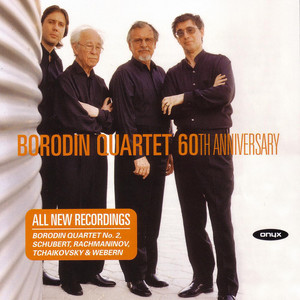 | Borodin - String Quartet No.2 in D major: Notturno: Andante | Alexander Borodin, Borodin Quartet | A Major | 2 | 11B | 74 BPM | |
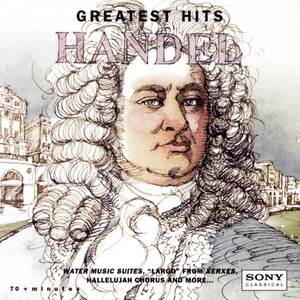 | Serse, HWV 40: Largo "Ombra mai fu" | George Frideric Handel, Eugene Ormandy, Philadelphia Orchestra | G Major | 1 | 9B | 82 BPM | |
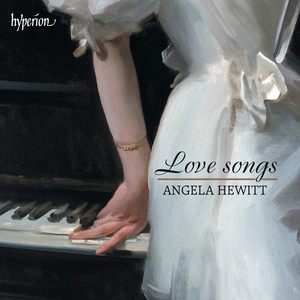 | Morgen, Op. 27 No. 4 (Arr. Reger for Piano) | Richard Strauss, Angela Hewitt | A Major | 2 | 11B | 143 BPM | |
 | Panis Angelicus (Arr. Leopold Stokowski) | César Franck, Matthias Bamert, BBC Philharmonic | A Major | 1 | 11B | 65 BPM | |
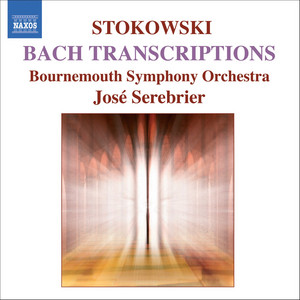 | Dido & Aeneas, Z. 626: When I Am Laid in Earth "Dido's Lament" (Transcr. L. Stokowski) | Henry Purcell, Timothy Walden, Bournemouth Symphony Orchestra, José Serebrier | E Major | 0 | 12B | 76 BPM | |
 | 4 Lieder, Op. 82, B. 157: I. Lasst mich allein. Andante (Arr. Soltani For Solo Cello and Cello Ensemble) | Antonín Dvořák, Kian Soltani, Staatskapelle Berlin, Cellists, Otto Tolonen | B Major | 0 | 1B | 140 BPM | |
 | Die schöne Müllerin, D. 795: No. 19, Der Müller und der Bach - Performed on Cello & Piano | Franz Schubert, Mischa Maisky, Daria Hovora | G Major | 0 | 9B | 96 BPM | |
 | I. Prélude. Andantino | César Franck, Jean-Pierre Armengaud | D Major | 0 | 10B | 66 BPM | |
 | Ancient Airs & Dances, Suite III, P. 172: I. Italiana (Anonymous) | Ottorino Respighi, Filarmonica della Scala, Riccardo Chailly | B♭ Major | 1 | 6B | 172 BPM | |
| Enigma Variations, Op. 36: Var. 9. Adagio "Nimrod" | Edward Elgar, BBC Symphony Orchestra, Leonard Bernstein | E♭ Major | 0 | 5B | 79 BPM |
- ISRC
- DEF057504523
- Label
- L-M Records/RCA Records