- BPM
- 83
- Key
- C Minor
- Camelot
- 5A
Enigma Variations, Op. 36: Var. 5. Moderato "R.P.A." by Edward Elgar, BBC Symphony Orchestra, Leonard Bernstein Song Details
"Enigma Variations, Op. 36: Var. 5. Moderato "R.P.A."" by Edward Elgar, BBC Symphony Orchestra, Leonard Bernstein had its release date on January 1, 1982. The duration of This song is about two minutes long, specifically at 2:32. This song does not appear to have any foul language. Enigma Variations, Op. 36: Var. 5. Moderato "R.P.A."'s duration is considered a little bit shorter than the average duration of a typical track. The song is number 6 out of 18 in Elgar: Enigma Variations by Edward Elgar, BBC Symphony Orchestra, Leonard Bernstein. Going off of the ISRC code of this track, we detected that the origin of this track is from Germany. Enigma Variations, Op. 36: Var. 5. Moderato "R.P.A." is below average in popularity right now. In our opinion, the overall tone is not very danceable and projects negative sounds, such as being sad, depressed, or angry.
BPM and Tempo
The tempo marking of Enigma Variations, Op. 36: Var. 5. Moderato "R.P.A." by Edward Elgar, BBC Symphony Orchestra, Leonard Bernstein is Andante (at a walking pace), since this song has a tempo of 83 BPM. With that information, we can conclude that the song has a slow tempo. The time signature for this track is 4/4.
Music Key
C Minor is the music key of this track. Because this track belongs in the C Minor key, the camelot key is 5A. So, the perfect camelot match for 5A would be either 5A or 4B. While, a low energy boost can consist of either 5B or 6A. For moderate energy boost, you would use 2A and a high energy boost can either be 7A or 12A. However, if you are looking for a low energy drop, finding a song with a camelot key of 4A would be a great choice. Where 8A would give you a moderate drop, and 3A or 10A would be a high energy drop. Lastly, 8B allows you to change the mood.
Want to find the BPM and music key for other songs? Check out our BPM and Key Finder page!
- Popularity
- 32%
- Loudness
- -28.97 dB
- Acousticness
- 97%
- Danceability
- 8%
- Energy
- 2%
- Instrumentalness
- 96%
- Liveness
- 11%
- Loudness
- 52%
- Speechiness
- 4%
- Valence
- 13%
Recommendations
| Track | Artist | Key | Energy | Camelot | BPM | ||
|---|---|---|---|---|---|---|---|
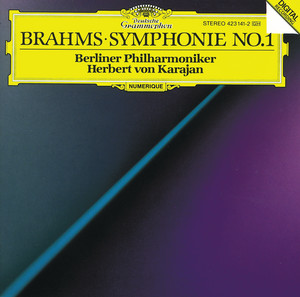 | Symphony No. 1 in C Minor, Op. 68: II. Andante sostenuto | Johannes Brahms, Berliner Philharmoniker, Herbert von Karajan | E Major | 1 | 12B | 85 BPM | |
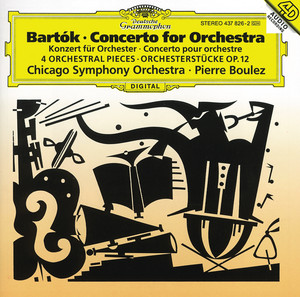 | Concerto for Orchestra, Sz. 116: V. Finale. Pesante – Presto | Béla Bartók, Chicago Symphony Orchestra, Pierre Boulez | A♭ Major | 2 | 4B | 127 BPM | |
 | Piano Concerto No. 1 in C Minor, Op. 35: II. Lento | Dmitri Shostakovich, André Previn, William Vacchiano, New York Philharmonic, Leonard Bernstein | D Minor | 3 | 7A | 113 BPM | |
 | Fantasia & Fugue in C Minor, Op. 86 (After J.S. Bach's BWV 537): Fantasia | Edward Elgar, Seattle Symphony Orchestra, Gerard Schwarz | F Minor | 1 | 4A | 143 BPM | |
 | Sonata for String Orchestra: II. Presto | William Walton, Edward Gardner, BBC Symphony Orchestra | E Major | 2 | 12B | 140 BPM | |
 | Suite No. 3, P. 172: I. Italiana: Andantino | Ottorino Respighi, RTÉ National Symphony Orchestra | B♭ Major | 1 | 6B | 94 BPM | |
 | Symphony No. 2 In D, Op. 73: 2. Adagio non troppo - L'istesso tempo, ma grazioso | Johannes Brahms, Berliner Philharmoniker, Herbert von Karajan | B Major | 1 | 1B | 108 BPM | |
 | Japanese Suite, Op. 33, H. 126: II. Ceremonial Dance | Gustav Holst, Ulster Orchestra, Joann Falletta | C Minor | 3 | 5A | 103 BPM | |
 | Symphony No. 4 in F Minor: I. Allegro | Ralph Vaughan Williams, Martyn Brabbins, BBC Symphony Orchestra | F Minor | 2 | 4A | 80 BPM | |
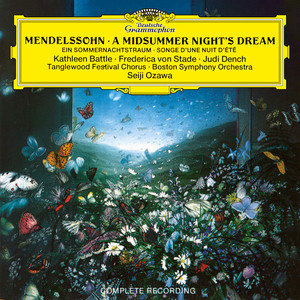 | Overture "A Midsummer Night's Dream", Op. 21 | Felix Mendelssohn, Boston Symphony Orchestra, Seiji Ozawa | E Major | 1 | 12B | 139 BPM | |
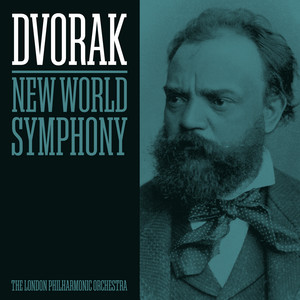 | 3rd Movement: Scherzo | London Philharmonic Orchestra | C Major | 1 | 8B | 118 BPM | |
 | Symphonie fantastique, Op. 14, H 48: II. Un Bal | Hector Berlioz, London Symphony Orchestra, Sir Colin Davis | A Major | 1 | 11B | 113 BPM | |
 | Violin Concerto No. 2 in G Minor, Op.63: II. Andante assai - Allegretto | Sergei Prokofiev, Itzhak Perlman, Gennady Rozhdestvensky, BBC Symphony Orchestra, Nickolas Ashford | A♭ Major | 5 | 4B | 120 BPM | |
 | Scheherazade: Calm - the triumph of Scheherazade | Nikolai Rimsky-Korsakov, Lars Hjalmar Joakim | E Minor | 0 | 9A | 68 BPM | |
 | Enigma Variations: Variation V. R.P.A - Moderato | Edward Elgar, Sir Colin Davis, London Symphony Orchestra | C Minor | 0 | 5A | 76 BPM | |
 | Holberg Suite, Op. 40: II. Sarabande. Andante | Edvard Grieg, Gothenburg Symphony Orchestra, Neeme Järvi | G Major | 0 | 9B | 75 BPM | |
 | Tristan und Isolde, WWV 90: Prelude To Act I | Richard Wagner, Gewandhausorchester Leipzig, Andris Nelsons | A Minor | 1 | 8A | 79 BPM | |
 | Symphony No.8 In G, Op.88, B. 163: 2. Adagio | Antonín Dvořák, Berliner Philharmoniker, Rafael Kubelík | C Major | 1 | 8B | 80 BPM | |
 | Symphony No. 3 in A Minor, Op. 56 "Scottish": III. Adagio | Felix Mendelssohn, Berliner Philharmoniker, Herbert von Karajan | A Minor | 2 | 8A | 95 BPM | |
 | Symphony No. 5 in D Minor, Op. 107, MWV N15 "Reformation": IV. Andante con moto (Chorale "Ein feste Burg") | Felix Mendelssohn, London Symphony Orchestra, Claudio Abbado | D Major | 2 | 10B | 76 BPM | |
 | Piano Concerto No. 4 in G Minor, Op. 40: I. Allegro vivace | Sergei Rachmaninoff, Vladimir Ashkenazy, London Symphony Orchestra, André Previn | E♭ Major | 1 | 5B | 67 BPM | |
 | Serenade for Strings in C Major, Op. 48, TH 48: III. Elegia | Pyotr Ilyich Tchaikovsky, Leonard Bernstein, New York Philharmonic | D Major | 1 | 10B | 91 BPM | |
 | Piano Concerto in A Minor, Op. 16: II. Adagio - Remastered | Edvard Grieg, Arthur Rubinstein, RCA Victor Symphony Orchestra, Alfred Wallenstein | D♭ Major | 0 | 3B | 86 BPM | |
 | La forza del destino: Overture (Sinfonia) | Giuseppe Verdi, Berliner Philharmoniker, Claudio Abbado | E Minor | 2 | 9A | 80 BPM | |
 | Piano Concerto No. 1 in F-Sharp Minor, Op. 1 (1917 Final Version): II. Andante | Sergei Rachmaninoff, Yuja Wang, Los Angeles Philharmonic, Gustavo Dudamel | D Major | 1 | 10B | 100 BPM |
- ISRC
- DEF058200607
- Label
- L-M Records/RCA Records