- BPM
- 113
- Key
- G Minor
- Camelot
- 6A
Enigma Variations, Op. 36: Var. 2. Allegro "H.D.S-P." by Edward Elgar, BBC Symphony Orchestra, Leonard Bernstein Song Details
"Enigma Variations, Op. 36: Var. 2. Allegro "H.D.S-P."" by Edward Elgar, BBC Symphony Orchestra, Leonard Bernstein had its release date on January 1, 1982. With This song being less than a minute long, we are pretty confident that this song does not contain any foul language. That being said, this song is pretty short compared to other songs. The song is number 3 out of 18 in Elgar: Enigma Variations by Edward Elgar, BBC Symphony Orchestra, Leonard Bernstein. Going off of the ISRC code of this track, we detected that the origin of this track is from Germany. In terms of popularity, Enigma Variations, Op. 36: Var. 2. Allegro "H.D.S-P." is currently below average in popularity. Although the tone can be danceable to some, this track does projects more of a negative sound rather than a postive one.
BPM and Tempo
The tempo marking of Enigma Variations, Op. 36: Var. 2. Allegro "H.D.S-P." by Edward Elgar, BBC Symphony Orchestra, Leonard Bernstein is Moderato (at a moderate speed), since this song has a tempo of 113 BPM. With that information, we can conclude that the song has a moderate tempo. The time signature for this track is 3/4.
Music Key
G Minor is the music key of this track. Because this track belongs in the G Minor key, the camelot key is 6A. So, the perfect camelot match for 6A would be either 6A or 5B. While, a low energy boost can consist of either 6B or 7A. For moderate energy boost, you would use 3A and a high energy boost can either be 8A or 1A. However, if you are looking for a low energy drop, finding a song with a camelot key of 5A would be a great choice. Where 9A would give you a moderate drop, and 4A or 11A would be a high energy drop. Lastly, 9B allows you to change the mood.
Want to find the BPM and music key for other songs? Check out our BPM and Key Finder page!
- Popularity
- 29%
- Loudness
- -34.496 dB
- Acousticness
- 90%
- Danceability
- 44%
- Energy
- 13%
- Instrumentalness
- 96%
- Liveness
- 18%
- Loudness
- 43%
- Speechiness
- 4%
- Valence
- 16%
Recommendations
| Track | Artist | Key | Energy | Camelot | BPM | ||
|---|---|---|---|---|---|---|---|
 | Polovtsian Dances, from: Prince Igor: Introduzione. Andantino | Alexander Borodin, Berliner Philharmoniker, Herbert von Karajan | B Minor | 3 | 10A | 184 BPM | |
 | Symphony No. 1 in F Minor, Op. 10: III. Lento – Largo – Lento – | Dmitri Shostakovich, Boston Symphony Orchestra, Andris Nelsons | F♯ Minor | 0 | 11A | 78 BPM | |
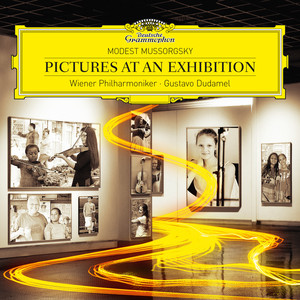 | Pictures at an Exhibition (Orch. Ravel): X. The Great Gate of Kiev | Modest Mussorgsky, Wiener Philharmoniker, Gustavo Dudamel | E♭ Major | 2 | 5B | 69 BPM | |
 | Variations on a Theme by Haydn, Op. 56a: Finale. Andante | Johannes Brahms, Berliner Philharmoniker, Herbert von Karajan | B♭ Major | 1 | 6B | 125 BPM | |
 | Love's Labour's Lost, Op. 28a: II. Longaville's Sonnet | Gerald Finzi, Robert Plane, Royal Northern Sinfonia, Howard Griffiths | D Minor | 0 | 7A | 94 BPM | |
 | Pictures at an Exhibition (Orch. Ravel): II. Il castello vecchio "The Old Castle" | Modest Mussorgsky, London Symphony Orchestra, Claudio Abbado | E Minor | 2 | 9A | 125 BPM | |
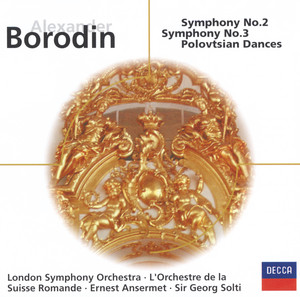 | Symphony No. 2 in B Minor: 3. Andante | Alexander Borodin, London Symphony Orchestra, Jean Martinon | D♭ Major | 1 | 3B | 91 BPM | |
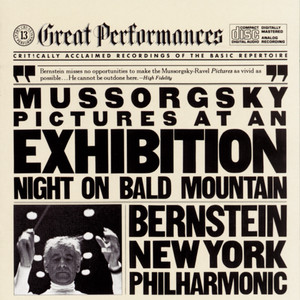 | Pictures at an Exhibition: Promenade III | Modest Mussorgsky, Leonard Bernstein, New York Philharmonic | F♯ Major | 1 | 2B | 75 BPM | |
 | On hearing the first Cuckoo in Spring | Frederick Delius, Academy of St. Martin in the Fields, Sir Neville Marriner | G Major | 1 | 9B | 80 BPM | |
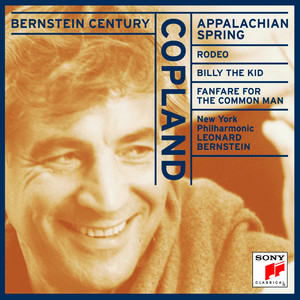 | Billy the Kid Suite: III. Mexican Dance and Finale | Aaron Copland, Leonard Bernstein, New York Philharmonic | C Major | 3 | 8B | 141 BPM | |
 | Piano Concerto No. 1 in C Minor, Op. 35: I. Allegretto - Allegro vivace | Dmitri Shostakovich, André Previn, William Vacchiano, New York Philharmonic, Leonard Bernstein | C Minor | 3 | 5A | 139 BPM | |
 | Symphony No. 2 in E Minor, Op. 27: Ib. Allegro moderato | Sergei Rachmaninoff, Philadelphia Orchestra, Yannick Nézet-Séguin | G Major | 1 | 9B | 85 BPM | |
 | Variations on a Rococo Theme, Op. 33 for cello and orchestra: Var. IV: Andante grazioso | Pyotr Ilyich Tchaikovsky, Jean-Guihen Queyras, BBC Symphony Orchestra, Jiří Bělohlávek | A Major | 1 | 11B | 88 BPM | |
 | Symphony No. 2: II. Allegro molto | Sergei Rachmaninoff, Valery Gergiev, London Symphony Orchestra | F Major | 1 | 7B | 146 BPM | |
 | Concerto for Viola and Orchestra: II. Vivo e molto preciso | William Walton, Edward Gardner, BBC Symphony Orchestra, James Ehnes | A Minor | 2 | 8A | 144 BPM | |
 | Symphony No. 9 in E Minor, Op. 95 "From the New World": II. Largo - 2017 Remastered Version | Antonín Dvořák, Leonard Bernstein, New York Philharmonic | B♭ Minor | 0 | 3A | 75 BPM | |
 | Enigma Variations: Variation XI. G.R.S - Allegro di molto | Edward Elgar, Sir Colin Davis, London Symphony Orchestra | D Major | 2 | 10B | 164 BPM | |
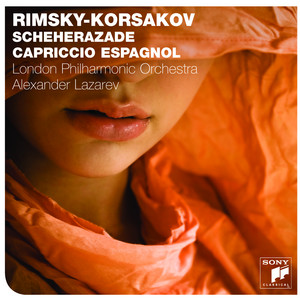 | Capriccio Espagnol: Variazioni | Nikolai Rimsky-Korsakov, London Philharmonic Orchestra, Alexander Lazarev, Lars Hjalmar Joakim | F Major | 1 | 7B | 81 BPM | |
 | Symphony No. 1 in A-Flat Major, Op. 55: II. Allegro molto | Edward Elgar, London Symphony Orchestra, Sir Colin Davis | D Major | 1 | 10B | 128 BPM | |
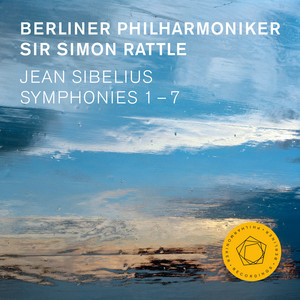 | Symphony No. 5 in E-Flat Major, Op. 82: II. Andante mosso, quasi allegretto - Tranquillo - Poco a poco stretto - Tempo primo | Jean Sibelius, Berliner Philharmoniker, Sir Simon Rattle | G Major | 0 | 9B | 71 BPM | |
 | Symphony No. 6 in B Minor, Op. 74 "Pathétique": II. Allegro con grazia | Pyotr Ilyich Tchaikovsky, Berliner Philharmoniker, Kirill Petrenko | D Major | 1 | 10B | 85 BPM | |
 | Symphony No. 3 In C Minor, Op. 78 "Organ Symphony": 1. Adagio - Allegro moderato - Poco adagio | Camille Saint-Saëns, Simon Preston, Berliner Philharmoniker, James Levine | A♭ Major | 1 | 4B | 118 BPM | |
 | Le tombeau de Couperin: 4. Rigaudon (version for orchestra) | Maurice Ravel, フランス国立リヨン管弦楽団, レナード・スラットキン | A Major | 1 | 11B | 107 BPM | |
 | Symphony No. 2 in B Minor: I. Allegro | Alexander Borodin, Gennady Rozhdestvensky, Royal Stockholm Philharmonic Orchestra | G Major | 1 | 9B | 121 BPM | |
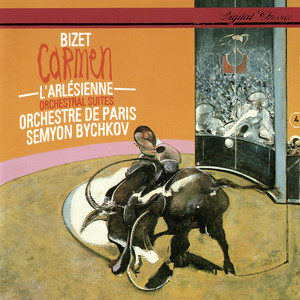 | L'Arlésienne Suite No. 1, WD 40: 3. Adagietto | Georges Bizet, Orchestre de Paris, Semyon Bychkov | F Major | 0 | 7B | 92 BPM |
- ISRC
- DEF058200604
- Label
- L-M Records/RCA Records