- BPM
- 142
- Key
- E♭ Major
- Camelot
- 5B
A Ceremony Of Carols, Op. 28: In Freezing Winter Night by Benjamin Britten, Sioned Williams, Libby Crabtree, Sally Dunkley, Harry Christophers Song Details
"A Ceremony Of Carols, Op. 28: In Freezing Winter Night" by Benjamin Britten, Sioned Williams, Libby Crabtree, Sally Dunkley, Harry Christophers had its release date on October 1, 2005. The duration of This song is about 3 minutes long, at 3:09. Based on our data, This song appears to be safe for all ages and is not considered explicit. This track is about the average length of a typical track. The song is number 9 out of 26 in A Ceremony Of Carols - Britten Choral Works II by Benjamin Britten, The Sixteen, Harry Christophers. Going off of the ISRC code of this track, we detected that the origin of this track is from United Kingdom. Based on our statistics, A Ceremony Of Carols, Op. 28: In Freezing Winter Night's popularity is not that popular right now. In our opinion, the overall tone is not very danceable and projects negative sounds, such as being sad, depressed, or angry.
BPM and Tempo
The tempo marking of A Ceremony Of Carols, Op. 28: In Freezing Winter Night by Benjamin Britten, Sioned Williams, Libby Crabtree, Sally Dunkley, Harry Christophers is Allegro (fast, quick, and bright), since this song has a tempo of 142 BPM. With that information, we can conclude that the song has a fast tempo. This song can go great with jogging or cycling. The time signature for this track is 4/4.
Music Key
E♭ Major is the music key of this track. This also means that this song has a camelot key of 5B. So, the perfect camelot match for 5B would be either 5B or 6A. While, 6B can give you a low energy boost. For moderate energy boost, you would use 2B and a high energy boost can either be 7B or 12B. Though, if you want a low energy drop, you should looking for songs with either a camelot key of 5A or 4B will give you a low energy drop, 8B would be a moderate one, and 3B or 10B would be a high energy drop. Lastly, 2A allows you to change the mood.
Want to find the BPM and music key for other songs? Check out our BPM and Key Finder page!
- Popularity
- 12%
- Loudness
- -29.827 dB
- Acousticness
- 99%
- Danceability
- 18%
- Energy
- 1%
- Instrumentalness
- 2%
- Liveness
- 7%
- Loudness
- 50%
- Speechiness
- 5%
- Valence
- 4%
Recommendations
| Track | Artist | Key | Energy | Camelot | BPM | ||
|---|---|---|---|---|---|---|---|
 | The Spectre's Bride, Op. 69, B. 135: No. 1, Už jedenáctá odbila (Choir) | Antonín Dvořák, Prague Philharmonia, Petr Altrichter, Český filharmonický sbor Brno, Petr Fiala | A Major | 1 | 11B | 73 BPM | |
 | Organoedia ad missam lectam, K. 186: V. Sanctus | Zoltán Kodály, Iain Quinn | A Major | 0 | 11B | 68 BPM | |
 | Justorum Animae | Charles Villiers Stanford, Choir of St. John's College, Cambridge, Andrew Nethsingha | G Major | 0 | 9B | 145 BPM | |
 | All-night Vigil, Op. 37: No. 11, My Soul Magnifies the Lord | Sergei Rachmaninoff, Latvijas Radio koris, Sigvards Kļava | D Major | 0 | 10B | 132 BPM | |
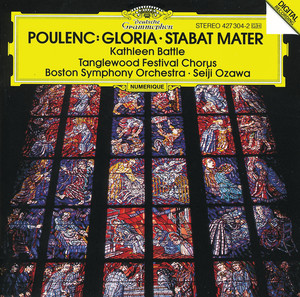 | Gloria, FP 177: V. Domine Deus, Agnus Dei | Francis Poulenc, Kathleen Battle, Boston Symphony Orchestra, Seiji Ozawa, Tanglewood Festival Chorus, John Oliver | E Major | 1 | 12B | 95 BPM | |
 | Schoenberg: Verklärte Nacht, Op. 4: V. Adagio, molto tranquilo | Arnold Schoenberg, Daniel Barenboim, Chicago Symphony Orchestra, Charles Pikler, John Sharp, Joseph Golan, Li-Kuo Chang, Ruben Gonzalez, Stephen Balderston | E Minor | 1 | 9A | 125 BPM | |
 | Slow Air | Ralph Vaughan Williams, English Northern Philharmonia, David Lloyd-Jones | A Major | 1 | 11B | 73 BPM | |
 | Organ Concerto in G Minor, FP 93: IV. Tempo allegro. Molto agitato | Francis Poulenc, Philippe Lefebvre, Orchestre National de Lille, Jean-Claude Casadesus | B♭ Minor | 0 | 3A | 133 BPM | |
 | Piano Quartet: Nicht zu schnell | Gustav Mahler, Wiener Klaviertrio | F Major | 1 | 7B | 137 BPM | |
 | Brook Green Suite: II. Air | Gustav Holst, English Sinfonia, Howard Griffiths | E♭ Major | 0 | 5B | 128 BPM | |
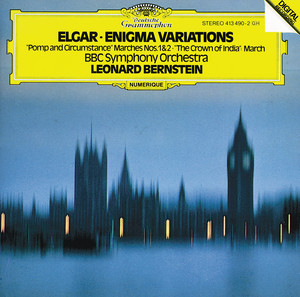 | Enigma Variations, Op. 36: Var. 1. L'istesso tempo "C.A.E." | Edward Elgar, BBC Symphony Orchestra, Leonard Bernstein | G Minor | 0 | 6A | 81 BPM | |
 | Petite messe solennelle: XIV. Credo. Et vitam venturi sæculi | Gioachino Rossini, Giulio Prandi, Coro Ghislieri, Sandrine Piau, José Maria Lo Monaco, Edgardo Rocha, Christian Senn, Francesco Corti, Deniel Perer | E Major | 2 | 12B | 128 BPM | |
 | Requiem in C Minor: I. Introitus | Luigi Cherubini, Filharmonie Brno, Czech Philharmonic Chorus Brno, Petr Fiala | A♭ Major | 0 | 4B | 58 BPM | |
 | Peter Grimes, Op. 33, Act II: Interlude III | Benjamin Britten, Edward Gardner, Bergen Philharmonic Orchestra | F Major | 0 | 7B | 58 BPM | |
 | Rejoice in the Lamb, Op. 30: For I will consider my Cat Jeoffrey | Benjamin Britten, Benedict Giles, Malcolm Green, Simon Wall, Thomas Williams, Iain Farrington, Choir of St. John's College, Cambridge, Christopher Robinson | D♭ Major | 3 | 3B | 124 BPM | |
 | Requiem, Op. 9: VI. Agnus Dei (1961 Version) | Maurice Duruflé, Orchestra of the Age of Enlightenment, Choir of King's College, Cambridge, Stephen Cleobury | C Major | 0 | 8B | 88 BPM | |
 | Apollon musagète, K48: I. Birth of Apollo | Igor Stravinsky, Berliner Philharmoniker, Herbert von Karajan | B Minor | 1 | 10A | 86 BPM | |
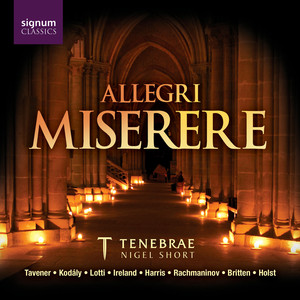 | Hymn to St. Cecilia | Benjamin Britten, Tenebrae | E Major | 1 | 12B | 72 BPM | |
 | Trois chansons de Bilitis, L. 90: No. 1, La flûte de Pan | Claude Debussy, Anne Sofie von Otter, Bengt Forsberg | F♯ Major | 0 | 2B | 85 BPM | |
 | Variations on a theme of Frank Bridge, Op.10: 7. Wiener Waltzer | Benjamin Britten, English Chamber Orchestra | C Major | 1 | 8B | 98 BPM | |
 | Prelude: Allegro - Meno mosso - Alla breve (Allegro) - Adagio - | Ottorino Respighi, Seattle Symphony Orchestra, Gerard Schwarz | D Major | 1 | 10B | 74 BPM | |
 | Suite No. 1, "Orientale": I. Okenstamning: Adagio | Kurt Atterberg, Ferenc Balogh, Gyorgy Kertesz, Andras Kiss, Ilona Prunyi | B Minor | 1 | 10A | 61 BPM | |
 | On Hearing The First Cuckoo In Spring | Frederick Delius, Barry Wordsworth, London Symphony Orchestra | E Minor | 0 | 9A | 77 BPM | |
 | Elegy, Op. 58 | Edward Elgar, English Northern Philharmonia, David Lloyd-Jones | A Major | 1 | 11B | 73 BPM | |
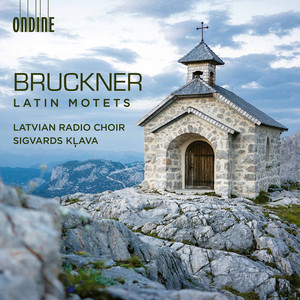 | Christus factus est, WAB 11 | Anton Bruckner, Latvian Radio Choir, Sigvards Kļava | D Minor | 1 | 7A | 83 BPM |
- ISRC
- GBEJP0503409
- Label
- L-M Records/RCA Records