- BPM
- 84
- Key
- B♭ Major
- Camelot
- 6B
Variations on a theme by Haydn, Op. 56a "St. Anthony Variations": Var. I by Johannes Brahms, Pittsburgh Symphony Orchestra, Marek Janowski Song Details
Johannes Brahms, Pittsburgh Symphony Orchestra, Marek Janowski's ' "Variations on a theme by Haydn, Op. 56a "St. Anthony Variations": Var. I" was released on its scheduled release date, August 1, 2007. With This song being less than two minutes long, at 1:24, we are fairly confident that this song is not explicit and is safe for all ages. Based on the duration of this song, this song duration is much smaller than the average song duration. The song is number 2 out of 14 in Brahms: Variations on a Theme by Haydn & Symphony No. 1 by Johannes Brahms, Pittsburgh Symphony Orchestra, Marek Janowski. Going off of the ISRC code of this track, we detected that the origin of this track is from Netherlands. Variations on a theme by Haydn, Op. 56a "St. Anthony Variations": Var. I is unknown right now. Based on the vibe, this track doesn't seem to be that danceable, however its valence properties can make this some somewhat danceable.
BPM and Tempo
The tempo marking of Variations on a theme by Haydn, Op. 56a "St. Anthony Variations": Var. I by Johannes Brahms, Pittsburgh Symphony Orchestra, Marek Janowski is Andante (at a walking pace), since this song has a tempo of 84 BPM. With that information, we can conclude that the song has a slow tempo. The time signature for this track is 4/4.
Music Key
This song is in the music key of B♭ Major. This also means that this song has a camelot key of 6B. So, the perfect camelot match for 6B would be either 6B or 7A. While, 7B can give you a low energy boost. For moderate energy boost, you would use 3B and a high energy boost can either be 8B or 1B. Though, if you want a low energy drop, you should looking for songs with either a camelot key of 6A or 5B will give you a low energy drop, 9B would be a moderate one, and 4B or 11B would be a high energy drop. Lastly, 3A allows you to change the mood.
Want to find the BPM and music key for other songs? Check out our BPM and Key Finder page!
- Popularity
- 0%
- Loudness
- -22.759 dB
- Acousticness
- 86%
- Danceability
- 22%
- Energy
- 11%
- Instrumentalness
- 90%
- Liveness
- 12%
- Loudness
- 62%
- Speechiness
- 4%
- Valence
- 47%
Recommendations
| Track | Artist | Key | Energy | Camelot | BPM | ||
|---|---|---|---|---|---|---|---|
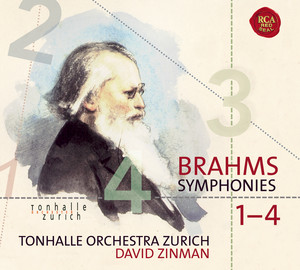 | Symphony No. 2 in D Major, Op. 73: II. Adagio non troppo | Johannes Brahms, David Zinman | B Major | 1 | 1B | 79 BPM | |
 | Symphony in C Major, Op. 46: II. Sehr langsam - | Hans Pfitzner, Seattle Symphony Orchestra, Gerard Schwarz | F Major | 0 | 7B | 87 BPM | |
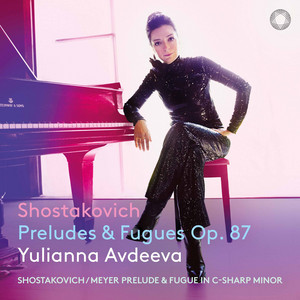 | 24 Preludes and Fugues Op. 87: No. 2, in A Minor: Fugue | Dmitri Shostakovich, Yulianna Avdeeva | A Minor | 3 | 8A | 121 BPM | |
| Symphony No. 4 in E Minor, Op. 98: II. Andante moderato | Johannes Brahms, David Zinman | E Major | 0 | 12B | 142 BPM | |
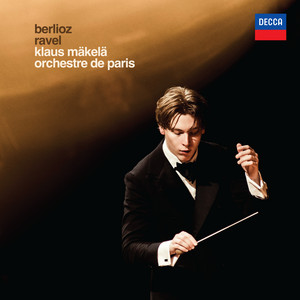 | Symphonie fantastique, H. 48: V. Songe d'une nuit de sabbat | Hector Berlioz, Orchestre de Paris, Klaus Mäkelä | D Major | 1 | 10B | 87 BPM | |
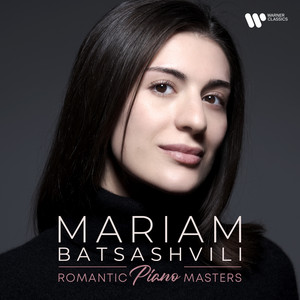 | Liszt: 3 Caprices-Valses, S. 214: I. Valse de bravoure | Franz Liszt, Mariam Batsashvili | B♭ Major | 1 | 6B | 115 BPM | |
 | String Quartet No. 1 in D Major, Op. 25: I. Andante Sostenuto - Allegro Vivo | Benjamin Britten, Barbican Quartet | G Major | 1 | 9B | 77 BPM | |
 | Symphony No. 5 in B-Flat Major, Op. 100: III. Adagio | Sergei Prokofiev, The Cleveland Orchestra, Franz Welser-Möst | C Major | 0 | 8B | 105 BPM | |
 | Symphony No. 5 in F Major, Op. 76, B. 54: I. Allegro, ma non troppo | Antonín Dvořák, Jaime Martin, Melbourne Symphony Orchestra | D Major | 2 | 10B | 98 BPM | |
 | Haydn: String Quartet in C Major, Op. 76 No. 3, Hob. III:77 "Emperor": II. (e) Variation IV | Joseph Haydn, Quatuor Arod | C Minor | 2 | 5A | 82 BPM | |
 | Piano Concerto No. 1: III. Allegro non troppo | Vittorio Rieti, Alessandro Marangoni, Orchestra Sinfonica Di Milano, Giuseppe Grazioli | C Major | 3 | 8B | 131 BPM | |
 | Tchaikovsky: Variations on a Rococo Theme, Op. 33: Introduction - Thema | Pyotr Ilyich Tchaikovsky, Munich Philharmonic Orchestra, Valery Gergiev | B♭ Minor | 1 | 3A | 136 BPM | |
 | String Quartet No. 2 in D Major: II. Scherzo: Allegro | Alexander Borodin, Budapest Haydn Quartet | F Major | 1 | 7B | 107 BPM | |
 | Piano Concerto in A Minor, Op. 7: I. Allegro maestoso | Clara Schumann, Veronica Jochum, Bamberg Symphony, Joseph Silverstein | A Minor | 1 | 8A | 112 BPM | |
 | Symphony No. 1 in C Minor, Op. 32: I. Andante sostenuto - Allegro | Louise Farrenc, North German Radio Symphony, Hannover, Johannes Goritzki | C Minor | 1 | 5A | 133 BPM | |
 | Symphony No.2 in B minor: 3. Andante | Alexander Borodin, Royal Philharmonic Orchestra, Vladimir Ashkenazy | D♭ Major | 0 | 3B | 135 BPM | |
 | Piano Concerto No. 1 in C Minor, Op. 35: I. Allegro moderato | Dmitri Shostakovich, Boris Giltburg, Rhys Owens, Royal Liverpool Philharmonic Orchestra, Vasily Petrenko | A♭ Major | 3 | 4B | 142 BPM | |
 | Holocaust - In memoriam: II. To Victory | Maya Badian, Romanian National Orchestra, Ludovic Bacs | G Minor | 2 | 6A | 73 BPM | |
 | Symphony No. 104 in D Major, Hob. I:104 "London": III. Menuet. Allegro | Joseph Haydn, Radio Sinfonieorchester Stuttgart des SWR, Sir Roger Norrington | C Major | 3 | 8B | 133 BPM | |
 | Symphony in C Major, GB 115: I. Allegro vivo | Georges Bizet, Marc Soustrot, Aarhus Symphony Orchestra | G Major | 1 | 9B | 80 BPM | |
 | Symphony No. 2 in D Major, Op. 73: III. Allegretto grazioso (Quasi andantino) - Presto ma non assai | Johannes Brahms, Chamber Orchestra of Europe, Yannick Nézet-Séguin | E Minor | 1 | 9A | 108 BPM | |
 | Symphony No. 4 in E minor, Op. 98: 4. Allegro energico e passionato - Più allegro | Johannes Brahms, Chicago Symphony Orchestra, Sir Georg Solti | E Minor | 1 | 9A | 100 BPM | |
 | Schumann: Symphony No. 1 in B-Flat Major, Op. 38, Spring: IV. Allegro animato e grazioso | Robert Schumann, San Francisco Symphony, Michael Tilson Thomas | B♭ Major | 2 | 6B | 106 BPM | |
 | Eine Alpensinfonie, Op. 64, TrV 233: XXI. Ausklang | Richard Strauss, Berliner Philharmoniker, Seiji Ozawa | B♭ Major | 3 | 6B | 147 BPM | |
 | 5 Fantasy Pieces, Op. 45: No. 4, Gyngende | Agathe Backer Grøndahl, Benjamin Engeli | A Major | 1 | 11B | 60 BPM |
- ISRC
- NLE420700602
- Label
- L-M Records/RCA Records