- BPM
- 137
- Key
- G Major
- Camelot
- 9B
Piano Concerto No. 4 in G Major, Op. 58: III. Rondo. Vivace by Ludwig van Beethoven, Lang Lang, Orchestre de Paris, Christoph Eschenbach Song Details
"Piano Concerto No. 4 in G Major, Op. 58: III. Rondo. Vivace" by Ludwig van Beethoven, Lang Lang, Orchestre de Paris, Christoph Eschenbach had its release date on January 1, 2007. This song appears to be safe for all ages as it is not explicit. The song is number 6 out of 8 in Beethoven: Piano Concertos Nos. 1 & 4; Sonata, Op. 6 by Ludwig van Beethoven, Lang Lang, Orchestre de Paris, Christoph Eschenbach. Going off of the ISRC code of this track, we detected that the origin of this track is from Germany. Based on our statistics, Piano Concerto No. 4 in G Major, Op. 58: III. Rondo. Vivace's popularity is not that popular right now. In our opinion, the overall tone is not very danceable and projects negative sounds, such as being sad, depressed, or angry.
BPM and Tempo
The tempo marking of Piano Concerto No. 4 in G Major, Op. 58: III. Rondo. Vivace by Ludwig van Beethoven, Lang Lang, Orchestre de Paris, Christoph Eschenbach is Allegro (fast, quick, and bright), since this song has a tempo of 137 BPM. With that information, we can conclude that the song has a fast tempo. This song can go great with walking. The time signature for this track is 4/4.
Music Key
This song is in the music key of G Major. This also means that this song has a camelot key of 9B. So, the perfect camelot match for 9B would be either 9B or 10A. While, 10B can give you a low energy boost. For moderate energy boost, you would use 6B and a high energy boost can either be 11B or 4B. Though, if you want a low energy drop, you should looking for songs with either a camelot key of 9A or 8B will give you a low energy drop, 12B would be a moderate one, and 7B or 2B would be a high energy drop. Lastly, 6A allows you to change the mood.
Want to find the BPM and music key for other songs? Check out our BPM and Key Finder page!
- Popularity
- 11%
- Loudness
- -17.903 dB
- Acousticness
- 97%
- Danceability
- 38%
- Energy
- 17%
- Instrumentalness
- 88%
- Liveness
- 8%
- Loudness
- 70%
- Speechiness
- 3%
- Valence
- 13%
Recommendations
| Track | Artist | Key | Energy | Camelot | BPM | ||
|---|---|---|---|---|---|---|---|
 | Grieg: 4 Symphonic Dances, Op. 64: No. 2, Allegretto grazioso | Edvard Grieg, Sakari Oramo, City Of Birmingham Symphony Orchestra | A Major | 1 | 11B | 110 BPM | |
 | Rêverie au bord de la mer, WoO | Jacques Offenbach, Raphaela Gromes, Julian Riem | G Major | 1 | 9B | 73 BPM | |
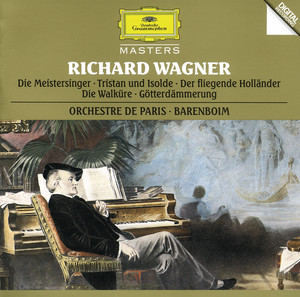 | Die Walküre, WWV 86B - Concert version / Act 3: The Ride Of The Walkyres | Richard Wagner, Orchestre de Paris, Daniel Barenboim | G Major | 3 | 9B | 100 BPM | |
 | Lieder ohne Worte VI, Op. 67: IV. The Bee's Wedding. Presto, MWV U182 "Spinning Song" | Felix Mendelssohn, Lang Lang | C Major | 4 | 8B | 86 BPM | |
 | Piano Concerto No. 1 in E-Flat Major, S. 124: I. Allegro maestoso | Franz Liszt, Martha Argerich, London Symphony Orchestra, Claudio Abbado | A♭ Major | 1 | 4B | 111 BPM | |
 | Concerto For Piano And Orchestra No. 21 In C Major, KV 467: Elvira Madigan | Moscow Symphony Orchestra, Ilmar Lapinsch, Gints Berzins | F Major | 1 | 7B | 112 BPM | |
 | 8 Memories in Watercolour, Op. 1: No. 7, Red Wilderness - Live | Tan Dun, Lang Lang | D Minor | 0 | 7A | 104 BPM | |
 | Concerto for Violin and Orchestra in D Major, Op. 35, TH 59: III. Finale. Allegro vivacissimo | Pyotr Ilyich Tchaikovsky, Lisa Batiashvili, Staatskapelle Berlin, Daniel Barenboim | D Major | 1 | 10B | 78 BPM | |
 | Piano Concerto No. 2 in G Minor, Op. 22: III. Presto | Camille Saint-Saëns, Lang Lang, Gewandhausorchester, Andris Nelsons | A Minor | 1 | 8A | 126 BPM | |
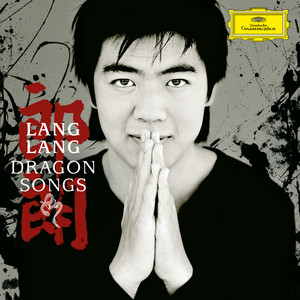 | Little Mermaid Suite: Straw Hat Dance | Mingxin Du, Lang Lang | D Minor | 1 | 7A | 178 BPM | |
 | Piano Concerto in A Minor, Op. 16: I. Allegro molto moderato | Edvard Grieg, Jean-Yves Thibaudet, Rotterdam Philharmonic Orchestra, Valery Gergiev | F Major | 2 | 7B | 123 BPM | |
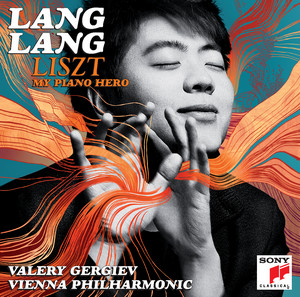 | Romance "O pourquoi donc" in E Minor, S. 169 | Franz Liszt, Lang Lang | E Minor | 0 | 9A | 67 BPM | |
 | Beethoven: Missa solemnis, Op. 123: Gloria in excelsis Deo | Ludwig van Beethoven, Otto Klemperer, Elisabeth Söderström, Marga Höffgen, Martti Talvela, New Philharmonia Chorus, Waldemar Kmentt, New Philharmonia Orchestra | G Major | 3 | 9B | 133 BPM | |
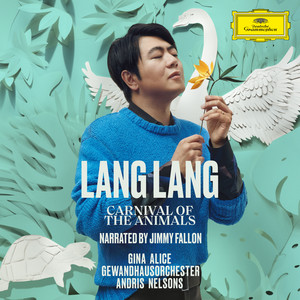 | Carnival of the Animals, R. 125: Ib. Royal March of the Lion | Camille Saint-Saëns, Lang Lang, Gina Alice, Gewandhausorchester, Andris Nelsons | E Minor | 3 | 9A | 157 BPM | |
 | Piano Concerto in A Minor, Op. 7: I. Allegro Maestoso | Clara Schumann, Ragna Schirmer, Staatskapelle Halle, Ariane Matiakh | F Major | 1 | 7B | 110 BPM | |
 | Symphony No. 104 in D Major, Hob. I:104 "London": II. Andante | Joseph Haydn, Radio Sinfonieorchester Stuttgart des SWR, Sir Roger Norrington | G Major | 0 | 9B | 133 BPM | |
 | Piano Concerto No. 2 in D Minor, Op. 40, MWV O11: 3. Finale. Presto scherzando | Felix Mendelssohn, Jean-Yves Thibaudet, Gewandhausorchester, Herbert Blomstedt | A Minor | 1 | 8A | 106 BPM | |
| Rakoczy March from Hungarian Rhapsody No. 15 in A Minor, S. 244 / 15 - Horowitz Version | Franz Liszt, Lang Lang | A Major | 3 | 11B | 83 BPM | |
 | Piano Concerto No. 5 In E Flat Major, Op. 73, "Emperor": III. Rondo: Allegro | Ludwig van Beethoven, Stefan Vladar, Capella Istropolitana | C Major | 1 | 8B | 88 BPM | |
 | Il signor Bruschino: Overture | Gioachino Rossini, London Symphony Orchestra, Claudio Abbado | A Major | 2 | 11B | 134 BPM | |
 | Piano Concerto No. 6 in C Major, H. 49: II. Larghetto | John Field, Miceal O'Rourke, Matthias Bamert, London Mozart Players | E Major | 0 | 12B | 79 BPM | |
| Piano Concerto No. 1 in E-Flat Major, S. 124: I. Allegro maestoso | Franz Liszt, Lang Lang, Valery Gergiev, Wiener Philharmoniker | A♭ Minor | 1 | 1A | 84 BPM | |
 | Impromptu in F minor, Op. 142, No. 1 (D935); Allegro moderato | Vladimir Horowitz | A♭ Major | 0 | 4B | 113 BPM | |
| Piano Concerto No. 2 in D Minor, Op. 40, MWV O11: 1. Allegro appassionato | Felix Mendelssohn, Jean-Yves Thibaudet, Gewandhausorchester, Herbert Blomstedt | D Minor | 2 | 7A | 92 BPM | |
 | Serenade for String Orchestra in C Major, Op. 48, TH 48: II. Walzer: Moderato (Tempo di valse) | Pyotr Ilyich Tchaikovsky, Bavarian Radio Symphony Orchestra, Sir Colin Davis | G Major | 1 | 9B | 124 BPM |
- ISRC
- DEN960700173
- Label
- L-M Records/RCA Records