- BPM
- 86
- Key
- B♭ Minor
- Camelot
- 3A
Variations on a Theme by Haydn, Op. 56a: Variation IV: Andante con moto by Johannes Brahms, London Symphony Orchestra, Eugen Jochum Song Details
"Variations on a Theme by Haydn, Op. 56a: Variation IV: Andante con moto" by Johannes Brahms, London Symphony Orchestra, Eugen Jochum had its release date on January 1, 1975. The duration of This song is about two minutes long, specifically at 2:09. This song does not appear to have any foul language. Variations on a Theme by Haydn, Op. 56a: Variation IV: Andante con moto's duration is considered a little bit shorter than the average duration of a typical track. The song is number 20 out of 25 in Elgar: Variations On An Original Theme, Op. 36 "Enigma" / Brahms: Variations On A Theme By Haydn, Op.56a by London Symphony Orchestra, Eugen Jochum. Going off of the ISRC code of this track, we detected that the origin of this track is from Germany. Variations on a Theme by Haydn, Op. 56a: Variation IV: Andante con moto is not that popular right now. In our opinion, the overall tone is not very danceable and projects negative sounds, such as being sad, depressed, or angry.
BPM and Tempo
The tempo marking of Variations on a Theme by Haydn, Op. 56a: Variation IV: Andante con moto by Johannes Brahms, London Symphony Orchestra, Eugen Jochum is Andante (at a walking pace), since this song has a tempo of 86 BPM. With that information, we can conclude that the song has a slow tempo. This song can go great with yoga or pilates. The time signature for this track is 3/4.
Music Key
This song is in the music key of B♭ Minor. Because this track belongs in the B♭ Minor key, the camelot key is 3A. So, the perfect camelot match for 3A would be either 3A or 2B. While, a low energy boost can consist of either 3B or 4A. For moderate energy boost, you would use 12A and a high energy boost can either be 5A or 10A. However, if you are looking for a low energy drop, finding a song with a camelot key of 2A would be a great choice. Where 6A would give you a moderate drop, and 1A or 8A would be a high energy drop. Lastly, 6B allows you to change the mood.
Want to find the BPM and music key for other songs? Check out our BPM and Key Finder page!
- Popularity
- 3%
- Loudness
- -28.172 dB
- Acousticness
- 97%
- Danceability
- 14%
- Energy
- 5%
- Instrumentalness
- 90%
- Liveness
- 12%
- Loudness
- 53%
- Speechiness
- 4%
- Valence
- 10%
Recommendations
| Track | Artist | Key | Energy | Camelot | BPM | ||
|---|---|---|---|---|---|---|---|
 | Flute and Harp Concerto in C Major, K. 299: II. Andantino | Wolfgang Amadeus Mozart, François Leleux, Emmanuel Pahud, Anneleen Lenaerts, Orchestre de chambre de Paris | F Major | 1 | 7B | 99 BPM | |
 | Corelli: Concerto grosso in D Major, Op. 6 No. 4: II. Adagio (Arr. Diluka for Piano) | Arcangelo Corelli, Shani Diluka | D Minor | 0 | 7A | 134 BPM | |
 | Shostakovich: Suite for Jazz Orchestra No. 1, Op. 38a: I. Waltz | Dmitri Shostakovich, Philadelphia Orchestra, Mariss Jansons | E♭ Major | 0 | 5B | 81 BPM | |
 | Kinderszenen, Op. 15: I. Von fremden Ländern und Menschen | Robert Schumann, Martha Argerich | G Major | 0 | 9B | 128 BPM | |
 | 3 Violin Duets (1996 Digital Remaster): I. Praeludium | Pinchas Zukerman, Itzhak Perlman | B Minor | 1 | 10A | 91 BPM | |
 | Ancient Airs & Dances, Suite III, P. 172: IV. Passacaglia (Roncalli) | Ottorino Respighi, Boston Symphony Orchestra, Seiji Ozawa | G Minor | 3 | 6A | 116 BPM | |
 | Piano Concerto No. 5 in E-Flat Major, Op. 73 "Emperor": 2. Adagio un poco mosso | Ludwig van Beethoven, Alfred Brendel, Wiener Philharmoniker, Sir Simon Rattle | B Major | 0 | 1B | 85 BPM | |
 | La Traviata / Act 1: Prelude | Giuseppe Verdi, Bavarian State Orchestra, Carlos Kleiber | B Major | 0 | 1B | 131 BPM | |
 | Rachmaninov: 10 Preludes, Op. 23: No. 5 in G Minor | Sergei Rachmaninoff, Nikolai Lugansky | G Minor | 1 | 6A | 113 BPM | |
 | Suite No. 3, P. 172: I. Italiana: Andantino | Ottorino Respighi, RTÉ National Symphony Orchestra | B♭ Major | 1 | 6B | 94 BPM | |
 | Andante Cantabile | Pyotr Ilyich Tchaikovsky, St. Lawrence String Quartet | B♭ Major | 0 | 6B | 90 BPM | |
 | 6 Album Leaves, Op. 2, JB 1:51: No. 2 in A Minor, Chanson. Moderato | Bedřich Smetana, Jitka Čechová | A Minor | 0 | 8A | 66 BPM | |
 | Fantasia And Fugue In C Minor (Extracts), Bwv 906: Fantasia In C Minor, BWV 906 | Janos Sebestyen, Johann Sebastian Bach | C Minor | 3 | 5A | 107 BPM | |
 | Mahler: Symphony No. 5 in C-Sharp Minor: IV. Adagietto. Sehr langsam | Gustav Mahler, Daniel Barenboim, Chicago Symphony Orchestra | F Major | 1 | 7B | 82 BPM | |
 | Romance No. 2 In F Major, Op. 50 | Slovak Philharmonic, Takako Nishizaki, Ludwig van Beethoven | F Major | 1 | 7B | 88 BPM | |
 | Cello Sonata in G Minor, Op. 65: III. Largo | Frédéric Chopin, Emmanuelle Bertrand, Pascal Amoyel | B♭ Major | 0 | 6B | 89 BPM | |
 | Le roi s'amuse: Pavane | Léo Delibes, Slovak Philharmonic, Ondrej Lenard | B♭ Major | 0 | 6B | 91 BPM | |
 | 3 Romances sans paroles, Op. 17: No. 3 in A-Flat Major (Arr. P. Gouin for Cello & Piano) | Gabriel Fauré, Jesper Svedberg, Simon Crawford-Phillips | A Major | 0 | 11B | 79 BPM | |
 | Symphony No.9 In D Minor, Op.125 - "Choral" - Excerpt From 4th Movement: 4. Presto | Ludwig van Beethoven, Berliner Philharmoniker, Herbert von Karajan | D Major | 1 | 10B | 74 BPM | |
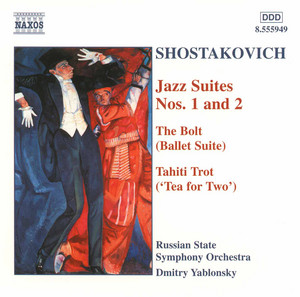 | Jazz Suite No. 1: I. Waltz | Dmitri Shostakovich, Russian State Symphony Orchestra, Dmitry Yablonsky | E♭ Major | 1 | 5B | 173 BPM | |
 | Schumann, Clara: 3 Romances, Op. 11: No. 1 in E-Flat Minor | Clara Schumann, Sophie Pacini | E♭ Minor | 0 | 2A | 60 BPM | |
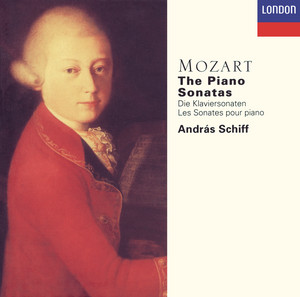 | Piano Sonata No. 16 in C Major, K. 545 "Sonata facile": II. Andante | Wolfgang Amadeus Mozart, András Schiff | G Major | 0 | 9B | 67 BPM | |
 | Polovetsian Dances from Prince Igor: Introduzione | Alexander Borodin, George Szell, The Cleveland Orchestra | A Major | 1 | 11B | 83 BPM | |
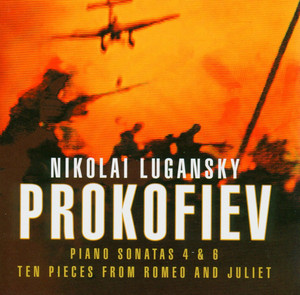 | Prokofiev: 10 Pieces from Romeo & Juliet, Op. 75: VI. Montagues and Capulets | Sergei Prokofiev, Nikolai Lugansky | F Major | 0 | 7B | 90 BPM | |
 | Elgar: Salut d'amour, Op. 12 | Edward Elgar, Min Kym, Gordon Back | E Major | 1 | 12B | 86 BPM |
- ISRC
- DEF057501945
- Label
- L-M Records/RCA Records