- BPM
- 77
- Key
- E Minor
- Camelot
- 9A
The Swan Lake, Op. 20: No. 1, "Scene 1" by London Symphony Orchestra, Roderick Dunk Song Details
"The Swan Lake, Op. 20: No. 1, "Scene 1"" by London Symphony Orchestra, Roderick Dunk had its release date on June 29, 2017. The duration of This song is about two minutes long, specifically at 2:38. This song does not appear to have any foul language. The Swan Lake, Op. 20: No. 1, "Scene 1"'s duration is considered a little bit shorter than the average duration of a typical track. The song is number 1 out of 13 in Astrology & Zodiac Music - Pisces by London Symphony Orchestra. Going off of the ISRC code of this track, we detected that the origin of this track is from Belgium. The Swan Lake, Op. 20: No. 1, "Scene 1" is below average in popularity right now. In our opinion, the overall tone is not very danceable and projects negative sounds, such as being sad, depressed, or angry.
BPM and Tempo
The tempo marking of The Swan Lake, Op. 20: No. 1, "Scene 1" by London Symphony Orchestra, Roderick Dunk is Andante (at a walking pace), since this song has a tempo of 77 BPM. With that information, we can conclude that the song has a slow tempo. The time signature for this track is 4/4.
Music Key
This song is in the music key of E Minor. Because this track belongs in the E Minor key, the camelot key is 9A. So, the perfect camelot match for 9A would be either 9A or 8B. While, a low energy boost can consist of either 9B or 10A. For moderate energy boost, you would use 6A and a high energy boost can either be 11A or 4A. However, if you are looking for a low energy drop, finding a song with a camelot key of 8A would be a great choice. Where 12A would give you a moderate drop, and 7A or 2A would be a high energy drop. Lastly, 12B allows you to change the mood.
Want to find the BPM and music key for other songs? Check out our BPM and Key Finder page!
- Popularity
- 21%
- Loudness
- -20.911 dB
- Acousticness
- 96%
- Danceability
- 16%
- Energy
- 9%
- Instrumentalness
- 94%
- Liveness
- 13%
- Loudness
- 65%
- Speechiness
- 4%
- Valence
- 4%
Recommendations
| Track | Artist | Key | Energy | Camelot | BPM | ||
|---|---|---|---|---|---|---|---|
 | Løvenskiold: La Sylphide, Act 2: The Sylph Scene - Divertissement (Andante) | Herman Løvenskiold, Copenhagen Philharmonic Orchestra/Ole Schmidt, Ole Schmidt, Copenhagen Philharmonic Orchestra | D Major | 2 | 10B | 91 BPM | |
 | Swan Lake - Waltz | London Philharmonic Orchestra | A Major | 1 | 11B | 76 BPM | |
 | Messiah, HWV 56, Pt. 2 Scene 7: No. 44, Hallelujah (Chorus) | George Frideric Handel, London Philharmonic Choir, David Parry, London Philharmonic Orchestra | D Major | 4 | 10B | 112 BPM | |
 | Om Kvelden | Arve Tellefsen | G Minor | 1 | 6A | 95 BPM | |
 | Mother Goose: V. Petit Poucet | Maurice Ravel, Barry Wordsworth, London Symphony Orchestra | C Minor | 0 | 5A | 96 BPM | |
 | Tales from the Vienna Woods - Waltz Op. 325 | Johann Strauss II, Hallé, Bryden Thomson | F Major | 0 | 7B | 181 BPM | |
 | L'Arlesienne Suite No. 1: Prelude | London Philharmonic Orchestra | C Minor | 1 | 5A | 115 BPM | |
 | Symphony No. 40 in G Minor, K. 550: Allegro molto | Wolfgang Amadeus Mozart, David Parry, London Philharmonic Orchestra | G Minor | 3 | 6A | 117 BPM | |
 | The Nutcracker, Op. 71: Act II. Waltz Of The Flowers | Ernst Hoffmann, Slovak Radio Symphony Orchestra, Pyotr Ilyich Tchaikovsky | D Major | 1 | 10B | 181 BPM | |
 | Aïda: Triumphal March & Ballet | London Symphony Orchestra, Roderick Dunk (Conductor) | G Minor | 2 | 6A | 111 BPM | |
 | Swan Lake Suite, Op. 20a: I. Scene "Swan Theme". Moderato | Pyotr Ilyich Tchaikovsky, Berliner Philharmoniker, Herbert von Karajan | D Major | 2 | 10B | 178 BPM | |
 | Giselle: No. 16 - Andante; Allegro con moto | Adolphe Adam, Michael Tilson Thomas, London Symphony Orchestra | E♭ Major | 0 | 5B | 113 BPM | |
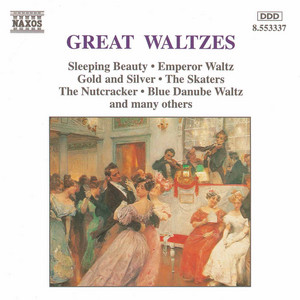 | Gold Und Silber (Gold And Silver), Op. 79 | Slovak Radio Symphony Orchestra, Franz Lehár | C Major | 1 | 8B | 81 BPM | |
 | Gayaneh: Sabre Dance | Aram Khachaturian, Valery Gergiev, Mariinsky Orchestra | C Major | 6 | 8B | 98 BPM | |
 | Ob Blond, Ob Braun | Robert Stolz, André Rieu, Johann Strauss Orchestra | C Major | 5 | 8B | 124 BPM | |
 | The Skaters Waltz | The Manhattan Pops | A Major | 3 | 11B | 186 BPM | |
 | St Paul's Suite, Op. 29, No. 2: IV. Finale (The Dargason) | The City of Prague Philharmonic String Ensemble, Richard Hein | C Major | 3 | 8B | 133 BPM | |
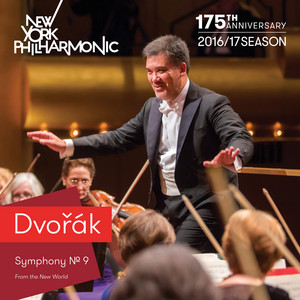 | Symphony No. 9 in E Minor, Op. 95 "From the New World": I. Adagio — Allegro molto | Antonín Dvořák, New York Philharmonic, Alan Gilbert | E Minor | 1 | 9A | 125 BPM | |
 | Le Corsaire: Pas de deux | Riccardo Drigo, London Symphony Orchestra, Richard Bonynge | E♭ Major | 2 | 5B | 75 BPM | |
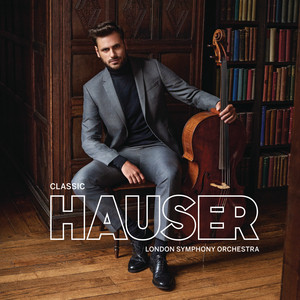 | Rachmaninov 2nd Piano Concerto | Sergei Rachmaninoff, HAUSER, London Symphony Orchestra, Robert Ziegler | E Major | 2 | 12B | 85 BPM | |
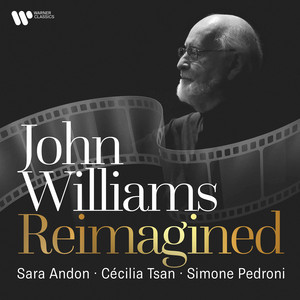 | The Fabelmans | John Williams, Simone Pedroni | G Major | 0 | 9B | 64 BPM | |
 | Vocalise, Op. 34 | London Philharmonic Orchestra, Pieter Schoeman | E Minor | 2 | 9A | 92 BPM | |
| Capriccio Italiano, Op. 45 | London Symphony Orchestra, Philip Simms (Conductor) | A Major | 2 | 11B | 67 BPM | |
 | Emperor Waltz, Op. 437 | Johann Strauss II, Eugene Ormandy | C Major | 1 | 8B | 92 BPM | |
 | Rossini: Il Barbiere di Siviglia: Overture | Gioachino Rossini, Beverly Sills, Nicolai Gedda, Sherrill Milnes, Renato Capecchi, Ruggero Raimondi, Michael Rippon, John Alldis Choir, Joseph Galiano, London Symphony Orchestra, James Levine, Fedora Barbieri | E Major | 2 | 12B | 88 BPM |
- ISRC
- BEX017606298
- Label
- L-M Records/RCA Records