- BPM
- 175
- Key
- D Minor
- Camelot
- 7A
Rachmaninov: Rhapsody on a Theme of Paganini, Op. 43: Variations I - VI by Sergei Rachmaninoff, Nikolai Lugansky, Sakari Oramo, City Of Birmingham Symphony Orchestra Song Details
"Rachmaninov: Rhapsody on a Theme of Paganini, Op. 43: Variations I - VI" by Sergei Rachmaninoff, Nikolai Lugansky, Sakari Oramo, City Of Birmingham Symphony Orchestra had its release date on 2004. The duration of This song is about 3 minutes long, at 3:02. Based on our data, This song appears to be safe for all ages and is not considered explicit. This track is about the average length of a typical track. There are a total of 12 in the song's album "Rachmaninov : Rhapsody on a Theme of Paganini". In this album, this song's track order is #2. Furthermore, we believe that the track originated from United Kingdom. The popularity of Rachmaninov: Rhapsody on a Theme of Paganini, Op. 43: Variations I - VI is currently below average in popularity right now. In our opinion, the overall tone is not very danceable and projects negative sounds, such as being sad, depressed, or angry.
BPM and Tempo
With Rachmaninov: Rhapsody on a Theme of Paganini, Op. 43: Variations I - VI by Sergei Rachmaninoff, Nikolai Lugansky, Sakari Oramo, City Of Birmingham Symphony Orchestra having a BPM of 175 with a half-time of 88 BPM and a double-time of 350 BPM, we would consider this track to have a Vivace (lively and fast) tempo marking. Because of this, we believe that the song has an overall fast tempo. The time signature for this track is 4/4.
Music Key
This song has a musical key of D Minor. Which also means that the camelot key for this song is 7A. So, the perfect camelot match for 7A would be either 7A or 6B. While, a low energy boost can consist of either 7B or 8A. For moderate energy boost, you would use 4A and a high energy boost can either be 9A or 2A. However, if you are looking for a low energy drop, finding a song with a camelot key of 6A would be a great choice. Where 10A would give you a moderate drop, and 5A or 12A would be a high energy drop. Lastly, 10B allows you to change the mood.
Want to find the BPM and music key for other songs? Check out our BPM and Key Finder page!
- Popularity
- 21%
- Loudness
- -22.871 dB
- Acousticness
- 91%
- Danceability
- 31%
- Energy
- 11%
- Instrumentalness
- 63%
- Liveness
- 10%
- Loudness
- 62%
- Speechiness
- 4%
- Valence
- 9%
Recommendations
| Track | Artist | Key | Energy | Camelot | BPM | ||
|---|---|---|---|---|---|---|---|
 | Grieg: Suite No. 2 from Peer Gynt, Op. 55: III. Peer Gynt's Homecoming | Edvard Grieg, Sakari Oramo, City Of Birmingham Symphony Orchestra | A♭ Major | 0 | 4B | 178 BPM | |
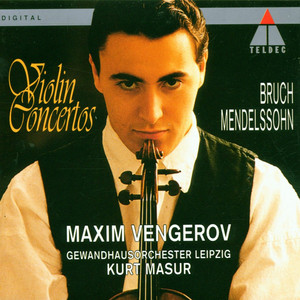 | Bruch : Violin Concerto No.1 in G minor Op.26 : III Finale - Allegro energico | Max Bruch, Maxim Vengerov, Kurt Masur, Gewandhausorchester Leipzig | G Major | 2 | 9B | 90 BPM | |
 | Petrouchka - Three Movements for Piano (1921) / Scene 1: IV. Russian Dance | Igor Stravinsky, Yuja Wang | A Minor | 3 | 8A | 116 BPM | |
 | Sibelius: Symphony No. 3, Op. 52: I. Allegro moderato | Jean Sibelius, Sakari Oramo, City Of Birmingham Symphony Orchestra | C Major | 1 | 8B | 127 BPM | |
 | Liszt: Liebesträume, S. 541: No. 3 in A-Flat Major (Poco allegro con affetto) | Franz Liszt, Kun-Woo Paik | A♭ Major | 0 | 4B | 74 BPM | |
 | Piano Concerto No. 1 in D-Flat Major, Op. 10: II. Andante assai | Sergei Prokofiev, Evgeny Kissin, Berliner Philharmoniker, Claudio Abbado | F♯ Major | 1 | 2B | 170 BPM | |
 | 3 Movements from Petrushka, K12: I. Danse russe | Igor Stravinsky, Maurizio Pollini | C Major | 3 | 8B | 118 BPM | |
 | Etudes-Tableaux, Op. 33, No. 4 in D Minor | Hélène Grimaud | D Minor | 2 | 7A | 94 BPM | |
 | Symphony No. 1 in D Major: 2. Kräftig bewegt - Live | Gustav Mahler, Berliner Philharmoniker, Claudio Abbado | A Major | 1 | 11B | 96 BPM | |
 | Theme From "Schindler's List"/Prelude In C-Sharp Minor/Hatikva | John Williams, Sergei Rachmaninoff, The Traditional, John Bayless | D♭ Minor | 1 | 12A | 96 BPM | |
 | St. Paul's Suite, Op. 29, No. 2: II. Ostinato | Gustav Holst, Bournemouth Sinfonietta, Richard Studt | C Major | 0 | 8B | 112 BPM | |
 | Sibelius: Impromptu for String Orchestra (From Impromptu, Op. 5) | Jean Sibelius, The Helsinki Strings, Csaba Szilvay, Géza Szilvay | A Major | 4 | 11B | 98 BPM | |
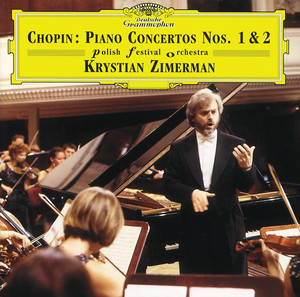 | Piano Concerto No. 2 In F Minor, Op. 21: 3. Allegro vivace | Frédéric Chopin, Krystian Zimerman, Polish Festival Orchestra | B♭ Minor | 2 | 3A | 107 BPM | |
 | Piano Concerto No. 2 in C Minor, Op. 50: II. Romanza. Andante con moto | Nikolai Medtner, Geoffrey Tozer, Neeme Järvi, London Philharmonic Orchestra | A♭ Major | 2 | 4B | 86 BPM | |
 | Prince Igor, Act II: Polovtsian Dances, Dance I | Alexander Borodin, Paavo Järvi, Orchestre Philharmonique de Radio France | F Major | 1 | 7B | 97 BPM | |
 | Shéhérazade, Op. 35: III. The Young Prince and the Young Princess | Nikolai Rimsky-Korsakov, Sergej Galaktionov, Gianandrea Noseda, Filarmonica Teatro Regio Torino | G Major | 0 | 9B | 103 BPM | |
 | 2 Mélodies, Op. 3: 1. Moderato assai | Anton Rubinstein, Shura Cherkassky | F Major | 1 | 7B | 75 BPM | |
 | Souvenir de Florence, Op. 70: I. Allegro con spirito | Pyotr Ilyich Tchaikovsky, Vienna Chamber Orchestra, Philippe Entremont | D♭ Major | 1 | 3B | 82 BPM | |
 | Piano Quintet in C Minor: I. Andante | Alexander Borodin, Ilona Prunyi, New Budapest Quartet | C Minor | 1 | 5A | 68 BPM | |
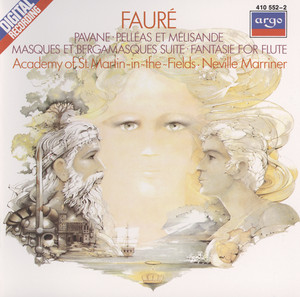 | Pelléas et Mélisande, Op. 80, Suite: IV. La mort de Mélisande | Gabriel Fauré, Academy of St. Martin in the Fields, Sir Neville Marriner | D Minor | 0 | 7A | 81 BPM | |
 | Symphony No. 2 in B Minor: IV. Finale. allegro | Alexander Borodin, Carlos Kleiber, Radio Sinfonieorchester Stuttgart des SWR | G Major | 3 | 9B | 137 BPM | |
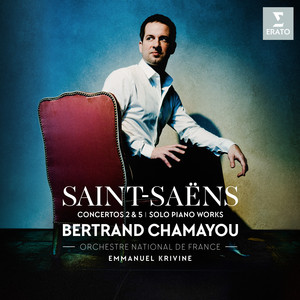 | Saint-Saëns: Piano Concerto No. 5 in F Major, Op. 103 "Egyptian": I. Allegro animato | Camille Saint-Saëns, Bertrand Chamayou, Emmanuel Krivine, Orchestre National De France | F Major | 2 | 7B | 81 BPM | |
 | Scheherazade: Calm - the triumph of Scheherazade | Nikolai Rimsky-Korsakov, Lars Hjalmar Joakim | E Minor | 0 | 9A | 68 BPM | |
 | Sibelius: Karelia Suite, Op. 11: III. Alla marcia | Jean Sibelius, Sakari Oramo, City Of Birmingham Symphony Orchestra | A Major | 2 | 11B | 173 BPM | |
 | Holberg Suite, Op. 40: II. Sarabande (Andante) | Edvard Grieg, Gothenburg Symphony Orchestra, Neeme Järvi | A Major | 1 | 11B | 87 BPM |
- ISRC
- GBELP0400326
- Label
- L-M Records/RCA Records