- BPM
- 84
- Key
- D Major
- Camelot
- 10B
Strauss, R: Don Quixote, Op. 35: Variation VII. The Ride Through the Air by Richard Strauss, Steven Isserlis, Cynthia Phelps, Minnesota Orchestra, Edo de Waart Song Details
"Strauss, R: Don Quixote, Op. 35: Variation VII. The Ride Through the Air" by Richard Strauss, Steven Isserlis, Cynthia Phelps, Minnesota Orchestra, Edo de Waart had its release date on September 15, 1998. With This song being less than two minutes long, at 1:16, we are fairly confident that this song is not explicit and is safe for all ages. Based on the duration of this song, this song duration is much smaller than the average song duration. The song is number 22 out of 34 in Cello Concertos by Steven Isserlis. Going off of the ISRC code of this track, we detected that the origin of this track is from United Kingdom. Strauss, R: Don Quixote, Op. 35: Variation VII. The Ride Through the Air is unknown right now. In our opinion, the overall tone is not very danceable and projects negative sounds, such as being sad, depressed, or angry.
BPM and Tempo
The tempo marking of Strauss, R: Don Quixote, Op. 35: Variation VII. The Ride Through the Air by Richard Strauss, Steven Isserlis, Cynthia Phelps, Minnesota Orchestra, Edo de Waart is Andante (at a walking pace), since this song has a tempo of 84 BPM. With that information, we can conclude that the song has a slow tempo. The time signature for this track is 4/4.
Music Key
This song has a musical key of D Major. This also means that this song has a camelot key of 10B. So, the perfect camelot match for 10B would be either 10B or 11A. While, 11B can give you a low energy boost. For moderate energy boost, you would use 7B and a high energy boost can either be 12B or 5B. Though, if you want a low energy drop, you should looking for songs with either a camelot key of 10A or 9B will give you a low energy drop, 1B would be a moderate one, and 8B or 3B would be a high energy drop. Lastly, 7A allows you to change the mood.
Want to find the BPM and music key for other songs? Check out our BPM and Key Finder page!
- Popularity
- 0%
- Loudness
- -34.007 dB
- Acousticness
- 97%
- Danceability
- 8%
- Energy
- 1%
- Instrumentalness
- 9%
- Liveness
- 14%
- Loudness
- 43%
- Speechiness
- 4%
- Valence
- 4%
Recommendations
| Track | Artist | Key | Energy | Camelot | BPM | ||
|---|---|---|---|---|---|---|---|
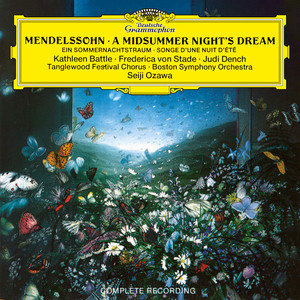 | Overture "A Midsummer Night's Dream", Op. 21 | Felix Mendelssohn, Boston Symphony Orchestra, Seiji Ozawa | E Major | 1 | 12B | 139 BPM | |
 | Symphonia domestica, Op. 53, TrV 209: Wiegenlied - | Richard Strauss, Staatskapelle Weimar, Antoni Wit | G Major | 0 | 9B | 80 BPM | |
 | Rachmaninov: Symphony No. 3 in A Minor, Op. 44: II. Adagio ma non troppo - Allegro vivace | Sergei Rachmaninoff, Mariss Jansons, St. Petersburg Philharmonic Orchestra | E♭ Minor | 0 | 2A | 117 BPM | |
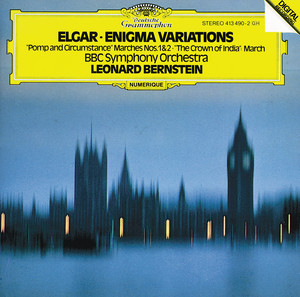 | Enigma Variations, Op. 36: Var. 9. Adagio "Nimrod" | Edward Elgar, BBC Symphony Orchestra, Leonard Bernstein | E♭ Major | 0 | 5B | 79 BPM | |
 | La Mer, L.109: 2. Play of the Waves (Jeux de vagues) | Claude Debussy, Orchestre Symphonique de Montréal, Charles Dutoit | E Major | 1 | 12B | 113 BPM | |
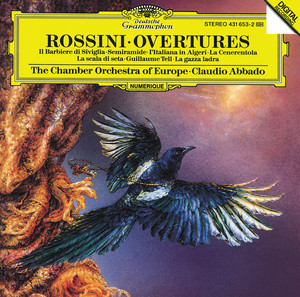 | L'italiana in Algeri: Overture | Gioachino Rossini, Chamber Orchestra of Europe, Claudio Abbado | B♭ Major | 2 | 6B | 139 BPM | |
 | Variations on a Theme by Haydn, Op. 56a "St. Anthony Variations": I. Theme. Andante | Johannes Brahms, London Philharmonic Orchestra, Marin Alsop | B♭ Major | 0 | 6B | 71 BPM | |
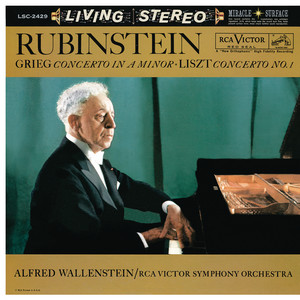 | Piano Concerto in A Minor, Op. 16: II. Adagio - Remastered | Edvard Grieg, Arthur Rubinstein, RCA Victor Symphony Orchestra, Alfred Wallenstein | D♭ Major | 0 | 3B | 86 BPM | |
| Piano Concerto in A Minor, Op. 16: I. Allegro molto moderato - Remastered | Edvard Grieg, Arthur Rubinstein, RCA Victor Symphony Orchestra, Alfred Wallenstein | A Minor | 1 | 8A | 82 BPM | |
 | Miroirs, M. 43: No. 3, Une barque sur l'ocean (Version for Orchestra) | Maurice Ravel, Orchestre Philharmonique Du Luxembourg, Gustavo Gimeno | A Major | 0 | 11B | 134 BPM | |
 | 4 Impromptus, Op.90, D.899: No.3 in G Flat Major: Andante | Franz Schubert, Radu Lupu | F♯ Major | 0 | 2B | 173 BPM | |
 | Also sprach Zarathustra, Op. 30, TrV 176: 1. Einleitung (Sonnenaufgang) - Live | Richard Strauss, Lucerne Festival Orchestra, Riccardo Chailly | C Major | 2 | 8B | 145 BPM | |
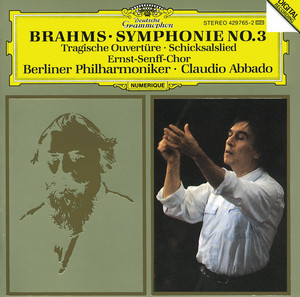 | Symphony No. 3 in F Major, Op. 90: II. Andante | Johannes Brahms, Berliner Philharmoniker, Claudio Abbado | C Major | 0 | 8B | 82 BPM | |
 | Elektra: Xii. Was sagen sie ihr denn? | Hugo von Hofmannsthal, Richard Strauss, Laila Andersson-palme, Royal Swedish Opera Orchestra, Siegfried Köhler | B Major | 3 | 1B | 136 BPM | |
 | Suite No. 3, P. 172: I. Italiana: Andantino | Ottorino Respighi, RTÉ National Symphony Orchestra | B♭ Major | 1 | 6B | 94 BPM | |
 | Serenade for String Orchestra in C Minor, Op. posth.: VI. Andante sostenuto | Max Bruch, George Hanson, Sinfonieorchester Wuppertal | E♭ Major | 0 | 5B | 87 BPM | |
 | Simple Symphony, Op. 4: III. Sentimental Sarabande | Benjamin Britten, Camerata Nordica, Terje Tonnesen | G Minor | 0 | 6A | 85 BPM | |
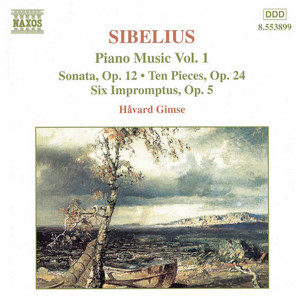 | 6 Impromptus, Op. 5: Impromptu No. 5 in B Minor | Jean Sibelius, Håvard Gimse | B Minor | 0 | 10A | 84 BPM | |
 | Piano Concerto No. 5 in E-Flat Major, Op. 73 "Emperor": III. Rondo. Allegro - Live at Philharmonie, Berlin, 1993 | Ludwig van Beethoven, Maurizio Pollini, Berliner Philharmoniker, Claudio Abbado | E♭ Major | 2 | 5B | 87 BPM | |
 | Lyric Suite, Op. 54: III. Notturno (Nocturne) | Edvard Grieg, Malmö Symphony Orchestra, Bjarte Engeset | C Major | 0 | 8B | 118 BPM | |
 | Miške, MKČ 101: I. Exposition, Main Theme. Lento assai | Mikalojus Konstantinas Čiurlionis, Orchestre Philharmonique de Radio France, Mirga Gražinytė-Tyla | A Minor | 0 | 8A | 85 BPM | |
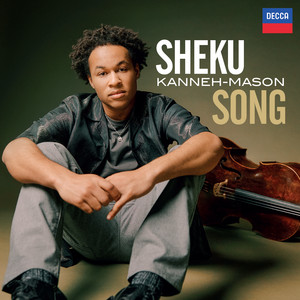 | Come, Sweet Death, BWV 478 (Arr. for 5 Cellos) | Sheku Kanneh-Mason, Hannah Roberts, Ben Davies, Desmond Neysmith, Max Ruisi | C Major | 0 | 8B | 122 BPM | |
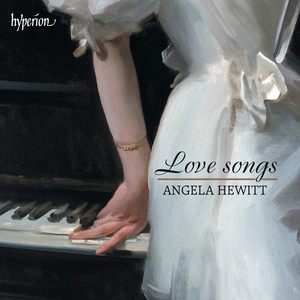 | Schwanengesang, S. 560: VII. Ständchen (2nd Version, After Schubert D. 957/4) | Franz Liszt, Angela Hewitt | A Major | 2 | 11B | 143 BPM | |
 | Violin Concerto in D Minor, Op. 47: II. Adagio di molto | Jean Sibelius, Anne-Sophie Mutter, Staatskapelle Dresden, André Previn | B♭ Major | 1 | 6B | 173 BPM | |
 | Andante Festivo | Jean Sibelius, Gothenburg Symphony Orchestra, Neeme Järvi | G Major | 1 | 9B | 86 BPM |
- ISRC
- GBAYC9100318
- Label
- L-M Records/RCA Records