- BPM
- 91
- Key
- G Minor
- Camelot
- 6A
Variations on an Original Theme, Op. 36, "Enigma": Theme - Andante by Edward Elgar, Sir Colin Davis, London Symphony Orchestra Song Details
"Variations on an Original Theme, Op. 36, "Enigma": Theme - Andante" by Edward Elgar, Sir Colin Davis, London Symphony Orchestra had its release date on June 5, 2007. With This song being less than two minutes long, at 1:25, we are fairly confident that this song is not explicit and is safe for all ages. Based on the duration of this song, this song duration is much smaller than the average song duration. The song is number 1 out of 16 in Elgar: Enigma Variations, Introduction & Allegro by Edward Elgar, London Symphony Orchestra, Sir Colin Davis. Going off of the ISRC code of this track, we detected that the origin of this track is from United Kingdom. In terms of popularity, Variations on an Original Theme, Op. 36, "Enigma": Theme - Andante is currently below average in popularity. In our opinion, the overall tone is not very danceable and projects negative sounds, such as being sad, depressed, or angry.
BPM and Tempo
The tempo marking of Variations on an Original Theme, Op. 36, "Enigma": Theme - Andante by Edward Elgar, Sir Colin Davis, London Symphony Orchestra is Andante (at a walking pace), since this song has a tempo of 91 BPM. With that information, we can conclude that the song has a slow tempo. This song can go great with yoga or pilates. The time signature for this track is 3/4.
Music Key
G Minor is the music key of this track. Because this track belongs in the G Minor key, the camelot key is 6A. So, the perfect camelot match for 6A would be either 6A or 5B. While, a low energy boost can consist of either 6B or 7A. For moderate energy boost, you would use 3A and a high energy boost can either be 8A or 1A. However, if you are looking for a low energy drop, finding a song with a camelot key of 5A would be a great choice. Where 9A would give you a moderate drop, and 4A or 11A would be a high energy drop. Lastly, 9B allows you to change the mood.
Want to find the BPM and music key for other songs? Check out our BPM and Key Finder page!
- Popularity
- 26%
- Loudness
- -34.774 dB
- Acousticness
- 97%
- Danceability
- 14%
- Energy
- 1%
- Instrumentalness
- 62%
- Liveness
- 11%
- Loudness
- 42%
- Speechiness
- 4%
- Valence
- 4%
Recommendations
| Track | Artist | Key | Energy | Camelot | BPM | ||
|---|---|---|---|---|---|---|---|
 | Scheherezade, Op. 35: I. The Sea and Sinbad's Ship | Nikolai Rimsky-Korsakov, Pelin Halkacı Alkın, Sascha Goetzel, Borusan Istanbul Philharmonic Orchestra | E Minor | 1 | 9A | 70 BPM | |
 | A Midsummer Night's Dream Overture, Op. 21, MWV P3 | Felix Mendelssohn, London Symphony Orchestra, Claudio Abbado | E Major | 0 | 12B | 71 BPM | |
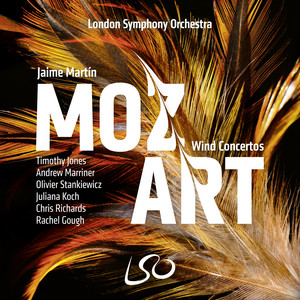 | Clarinet Concerto in A Major, K. 622: II. Adagio | Wolfgang Amadeus Mozart, Andrew Marriner, Jaime Martin, London Symphony Orchestra | G Major | 2 | 9B | 197 BPM | |
 | Hebrides Overture "Fingal's Cave" | Felix Mendelssohn, Joseph Kalichstein, Jaime Laredo, Scottish Chamber Orchestra | B Minor | 1 | 10A | 132 BPM | |
 | Fantasia on Greensleeves | Ralph Vaughan Williams, Bryden Thomson, London Symphony Orchestra | C Minor | 1 | 5A | 80 BPM | |
 | Carmina Burana: VIII. Chramer, gip die varwa mir | Carl Orff, London Symphony Chorus, Richard Hickox, London Symphony Orchestra | G Major | 0 | 9B | 146 BPM | |
 | Tchaikovsky: Swan Lake, Op. 20, Act 4: No. 26, Scene. Allegro ma non troppo | Pyotr Ilyich Tchaikovsky, André Previn, London Symphony Orchestra | B Major | 0 | 1B | 111 BPM | |
 | Holst: The Planets, Op. 32: I. Mars, the Bringer of War | Gustav Holst, André Previn, London Symphony Orchestra | C Major | 4 | 8B | 160 BPM | |
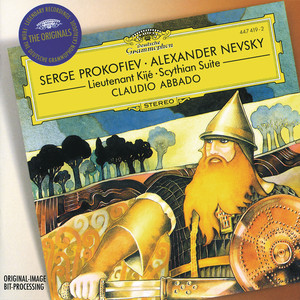 | Alexander Nevsky, Op. 78: I. Russia Under The Mongolian Yoke | Sergei Prokofiev, London Symphony Orchestra, Claudio Abbado | C Minor | 0 | 5A | 71 BPM | |
 | Elgar: Cello Concerto in E Minor, Op. 85: II. Lento - Allegro molto | Edward Elgar, Sir John Barbirolli, London Symphony Orchestra | G Major | 2 | 9B | 82 BPM | |
 | 6 Studies in English Folksong (Version for Cello & Piano): No. 3, Larghetto "Van Dieman's Land" | Ralph Vaughan Williams, Gerald Peregrine, Antony Ingham | D Minor | 0 | 7A | 81 BPM | |
 | Piano Quintet in C Minor: I. Andante | Alexander Borodin, Ilona Prunyi, New Budapest Quartet | C Minor | 1 | 5A | 68 BPM | |
 | The Rite of Spring (Scenes of Pagan Russia in Two Parts): Part Two - Ritual Action of the Ancestors (1921 Version) | Igor Stravinsky, Leonard Bernstein, London Symphony Orchestra | D Major | 0 | 10B | 133 BPM | |
 | Symphony No. 8 in G Minor, Op. 88, B. 163: I. Allegro con brio | Antonín Dvořák, London Symphony Orchestra, Sir Colin Davis | G Major | 1 | 9B | 139 BPM | |
 | Sonata No. 42 in D Minor (Arr. Ólafsson) | Domenico Cimarosa, Víkingur Ólafsson | D Minor | 0 | 7A | 61 BPM | |
 | Enigma Variations, Op. 36: Var. 14. Finale. Allegro "E.D.U." | Edward Elgar, BBC Symphony Orchestra, Leonard Bernstein | G Major | 2 | 9B | 115 BPM | |
| Variations On An Original Theme, Op.36 "Enigma": 6. Ysobel (Andantino) | Edward Elgar, BBC Symphony Orchestra, Leonard Bernstein | C Major | 0 | 8B | 65 BPM | |
 | Suite No. 3, P. 172: III. Siciliana: Andantino | Ottorino Respighi, RTÉ National Symphony Orchestra | C Minor | 0 | 5A | 93 BPM | |
 | Serenade for Strings in E Major, Op. 22, B. 52: III. Scherzo. Vivace | Antonín Dvořák, Prague Chamber Orchestra, Petr Skvor | F Major | 2 | 7B | 130 BPM | |
 | Symphony No. 3 in A Minor, Op. 56 "Scottish": Symphony No. 3 in A Minor, Op. 56 "Scottish": IV. Allegro vivacissimo - Allegro maestoso assai | Felix Mendelssohn, John Eliot Gardiner, London Symphony Orchestra | A Minor | 2 | 8A | 124 BPM | |
 | Symphony No. 8 in C Minor, Op. 65: III. Allegro non troppo | Dmitri Shostakovich, London Symphony Orchestra, Mstislav Rostropovich | G Major | 2 | 9B | 145 BPM | |
| Variations On An Original Theme, Op.36 "Enigma": 12. B.G.N. (Andante) | Edward Elgar, BBC Symphony Orchestra, Leonard Bernstein | B♭ Major | 0 | 6B | 82 BPM | |
 | Requiem: II. Dies irae "Dies irae" | Giuseppe Verdi, London Symphony Orchestra, Gianandrea Noseda, London Symphony Chorus | C Minor | 3 | 5A | 91 BPM | |
 | L'Arlésienne Suite No. 2 (Arr. Guiraud): III. Menuet | Georges Bizet, Orchestre Symphonique de Montréal, Charles Dutoit | E♭ Major | 0 | 5B | 128 BPM | |
 | King's Row (Suite) | Charles Gerhardt, RCA Symphony Orchestra | G Major | 3 | 9B | 97 BPM |
- ISRC
- GBDGQ0710901
- Label
- L-M Records/RCA Records