- BPM
- 140
- Key
- E♭ Major
- Camelot
- 5B
Francesca da Rimini, Act I: Oimè che adesso io provo (Live) by Riccardo Zandonai, Orchestra Del Teatro Alla Scala, Milano, Magda Olivero, Coro La Scala di Milano, Gianandrea Gavazzeni Song Details
"Francesca da Rimini, Act I: Oimè che adesso io provo (Live)" by Riccardo Zandonai, Orchestra Del Teatro Alla Scala, Milano, Magda Olivero, Coro La Scala di Milano, Gianandrea Gavazzeni had its release date on October 7, 2014. With this song being around four minutes long, at 4:00, the duration of this song is pretty average compared to other songs. This track is safe for children and doesn't appear to contain any foul language, since the "Explicit" tag was not present in this track. This song is part of Zandonai: Francesca da Rimini (Live) by Riccardo Zandonai, Magda Olivero, Mario del Monaco, Giampiero Malaspina, Piero de Palma, Orchestra Del Teatro Alla Scala, Milano, Coro La Scala di Milano, Gianandrea Gavazzeni, Enrico Campi, Gabriella Carturan, Athos Cesarini, Angelo Mercuriali, Giuseppe Morresi, Pinuccia Perotti, Anna Maria Rota. The song's track number on the album is #6 out of 39 tracks. Based on our data, United States was the country where this track was produced or recorded. Based on our statistics, Francesca da Rimini, Act I: Oimè che adesso io provo (Live)'s popularity is unknown right now. In our opinion, the overall tone is not very danceable and projects negative sounds, such as being sad, depressed, or angry.
BPM and Tempo
Since Francesca da Rimini, Act I: Oimè che adesso io provo (Live) by Riccardo Zandonai, Orchestra Del Teatro Alla Scala, Milano, Magda Olivero, Coro La Scala di Milano, Gianandrea Gavazzeni has a tempo of 140 beats per a minute, the tempo markings of this song would be Allegro (fast, quick, and bright). With Francesca da Rimini, Act I: Oimè che adesso io provo (Live) being at 140 BPM, the half-time would be 70 BPM with a double-time of 280 BPM.In addition, we consider the tempo speed to be pretty fast for this song. This makes this song perfect for activities such as, jogging or cycling. The time signature for this track is 4/4.
Music Key
This song has a musical key of E♭ Major. Or for those who are familiar with the camelot wheel, this song has a camelot key of 5B. So, the perfect camelot match for 5B would be either 5B or 6A. While, 6B can give you a low energy boost. For moderate energy boost, you would use 2B and a high energy boost can either be 7B or 12B. Though, if you want a low energy drop, you should looking for songs with either a camelot key of 5A or 4B will give you a low energy drop, 8B would be a moderate one, and 3B or 10B would be a high energy drop. Lastly, 2A allows you to change the mood.
Want to find the BPM and music key for other songs? Check out our BPM and Key Finder page!
- Popularity
- 0%
- Loudness
- -9.528 dB
- Acousticness
- 81%
- Danceability
- 23%
- Energy
- 47%
- Instrumentalness
- 16%
- Liveness
- 44%
- Loudness
- 84%
- Speechiness
- 4%
- Valence
- 15%
Recommendations
| Track | Artist | Key | Energy | Camelot | BPM | ||
|---|---|---|---|---|---|---|---|
 | Francesca da Rimini, Op. 4, Act III, Scene 6: Agitato e più mosso - No, Smaragdi, no! (Francesca) | Riccardo Zandonai, Wiener Symphoniker, Fabio Luisi, Elena Filipova | D♭ Major | 0 | 3B | 76 BPM | |
 | Concerto andaluso, RZ 227: II. Malagueñas. Allegretto | Riccardo Zandonai, Stefano Guarino, Orchestra da Camera di Trento, Giancarlo Guarino | A Minor | 1 | 8A | 90 BPM | |
 | La Giaconda, Act 2, The Rosary: Sailors' Song "Ho! He! Ho! He!" (Sailors, Boys, Barnaba, Pilot) - "Recitative and Barcarolle "Pescator, affonda l'esca" [Barnaba, Pilot, Sailors, Boys] | Amilcare Ponchielli, Angelo Nardinocchi, Massimiliano Travagliati, Coro di Voci Bianche del Teatro “Giuseppe Verdi” di Salerno, Silvana Noschese, Coro del Teatro dell'Opera di Salerno, Luigi Petrozziello, Orchestra Filarmonica Salernitana “Giuseppe Verdi”, Yishai Steckler | F Major | 2 | 7B | 99 BPM | |
 | No. Sei un fanciullo | Riccardo Zandonai, Gianandrea Gavazzeni | C Major | 2 | 8B | 77 BPM | |
 | Simon Boccanegra, Prologue: L'altra magion vedete? | Giuseppe Verdi, José van Dam, Giovanni Foiani, Orchestra Del Teatro Alla Scala, Milano, Claudio Abbado, Coro Del Teatro Alla Scala Di Milano, Romano Gandolfi | D Major | 1 | 10B | 94 BPM | |
 | Falstaff, Act II: E sogno o realtà? | Giuseppe Verdi, Thomas Hampson, Bryn Terfel, Berliner Philharmoniker, Claudio Abbado | C Major | 3 | 8B | 68 BPM | |
 | L'elisir d'amore / Act II: "Saria possibile?" | Gaetano Donizetti, Metropolitan Opera Chorus, David Stivender, Dawn Upshaw, Metropolitan Opera Orchestra, James Levine | B Major | 0 | 1B | 119 BPM | |
 | L'elisir d'amore / Act 1: "Signor sargente" | Gaetano Donizetti, Maria Casula, Dominic Cossa, Luciano Pavarotti, Dame Joan Sutherland, Ambrosian Opera Chorus, English Chamber Orchestra, Richard Bonynge | E♭ Major | 3 | 5B | 84 BPM | |
 | Francesca da Rimini, Op. 4, Act I: Oimè che adesso io provo | Riccardo Zandonai, Christina Vasileva, Opernchor des Theater Freiburg, Extrachor des Theater Freiburg, Vokalensemble der Hochschule für Musik Freiburg, Freiburger Kammerchor, Philharmonisches Orchester Freiburg, Fabrice Bollon | E Minor | 2 | 9A | 133 BPM | |
 | Un ballo in maschera / Act 1: "Che v'agita cosi?" | Giuseppe Verdi, Elena Obraztsova, Katia Ricciarelli, Plácido Domingo, Orchestra Del Teatro Alla Scala, Milano, Claudio Abbado, Coro Del Teatro Alla Scala Di Milano, Romano Gandolfi | B♭ Minor | 1 | 3A | 78 BPM | |
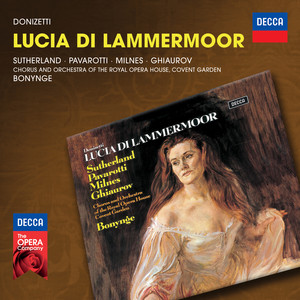 | Lucia di Lammermoor / Act 3: "Ah! cessate quel contento" | Gaetano Donizetti, Nicolai Ghiaurov, Chorus of the Royal Opera House, Covent Garden, Orchestra of the Royal Opera House, Covent Garden, Richard Bonynge | G Major | 1 | 9B | 84 BPM | |
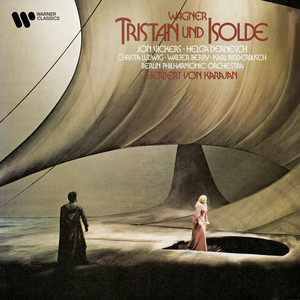 | Wagner: Tristan und Isolde, Act 1: "Frisch weht der Wind der Heimat zu" - "Mir erkoren, mir verloren" (Der junge Seemann, Isolde, Brangäne) | Richard Wagner, Herbert von Karajan, Christa Ludwig, Helga Dernesch, Peter Schreier, Berliner Philharmoniker | C Major | 1 | 8B | 131 BPM | |
 | I cavalieri di Ekebu: Vi går tillsammans | Lars Cleveman, Malena Karlsson, Riccardo Zandonai, A. Rossato, M. Lindman | A Major | 1 | 11B | 100 BPM | |
 | Don Pasquale, Act II Quinta Scena: Siete marito e moglie (Malatesta/Notaro/Norina/Pasquale/Ernesto) | Gaetano Donizetti, Leo Nucci/Guido Fabbris/Mirella Freni/Sesto Bruscantini/Gösta Winbergh/Philharmonia Orchestra/Riccardo Muti, Riccardo Muti, Philharmonia Orchestra | C Major | 2 | 8B | 63 BPM | |
 | Manon Lescaut, Act II: "Tu, tu, amore? Tu?" | Giacomo Puccini, Jonas Kaufmann, Anna Netrebko, Asher Fisch, Orchestra del Teatro Comunale di Bologna | D♭ Major | 2 | 3B | 62 BPM | |
 | Verdi: Il Trovatore: Il balen del suo sorriso - Conte - Act Two Scene Two | Giuseppe Verdi, Piero Cappuccilli | G Major | 4 | 9B | 164 BPM | |
 | Cendrillon: Faites-vous très belles | Jules Massenet, Philharmonia Orchestra, Julius Rudel | B♭ Major | 1 | 6B | 115 BPM | |
| Don Pasquale, Act I Seconda Scena: Son rinato. Or si parli al nipotino (Pasquale/Ernesto) | Gaetano Donizetti, Sesto Bruscantini/Leo Nucci/Philharmonia Orchestra/Riccardo Muti, Riccardo Muti, Philharmonia Orchestra | C Major | 1 | 8B | 77 BPM | |
 | Cavalleria rusticana: Pt. I: Perche m’hai fatto...Voi lo sapete (Lucia, Santuzza) | Pietro Mascagni, Maria Callas, Giuseppe Di Stefano, Rolando Panerai, Anna Maria Canali, Ebe Ticozzi, Vittore Veneziani, Milan La Scala Chorus, Orchestra Del Teatro Alla Scala, Milano, Tullio Serafin | C Major | 2 | 8B | 71 BPM | |
| Donizetti: Don Pasquale, Act 1: "Pronta io son, purch'io non manchi" (Norina, Malatesta) | Gaetano Donizetti, Riccardo Muti, Gösta Winbergh, Leo Nucci, Mirella Freni, Philharmonia Orchestra | C Major | 2 | 8B | 83 BPM | |
 | Rossini: Soirées musicales: No. 1, La promessa | Gioachino Rossini, Rockwell Blake, Antonio Pappano | D♭ Minor | 1 | 12A | 138 BPM | |
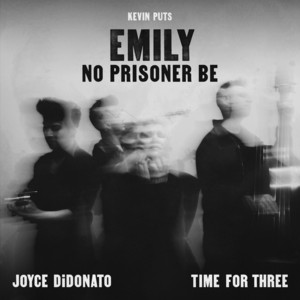 | Emily — No Prisoner Be: No. 4, Again — his voice is at the door | Kevin Puts, Time For Three, Joyce DiDonato | D♭ Minor | 1 | 12A | 138 BPM | |
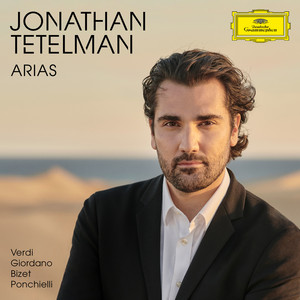 | Francesca da Rimini, Op. 4: Perché volete voi ch'io rinnovi | Riccardo Zandonai, Vida Miknevičiūtė, Jonathan Tetelman, Capella Cracoviensis, Orquesta Filarmónica de Gran Canaria, Karel Mark Chichon | F Major | 1 | 7B | 169 BPM | |
 | The Dream of Gerontius, Op. 38, Part I: No. 7, I can no more; for now it comes again (Gerontius) | Edward Elgar, Edward Gardner, London Philharmonic Orchestra, Allan Clayton | D Major | 2 | 10B | 86 BPM | |
 | La Gioconda, Op. 9: "Enzo Grimaldo, Principe di Santafior, che pensi?" | Amilcare Ponchielli, Jonas Kaufmann, Ludovic Tezier, Antonio Pappano, Orchestra of the Accademia di Santa Cecilia, Rome | F Minor | 0 | 4A | 167 BPM |
- ISRC
- USB8U1085662
- Label
- L-M Records/RCA Records