- BPM
- 95
- Key
- D Major
- Camelot
- 10B
Variations on a Rococo Theme, Op. 33, TH 57: Variazione IV: Andante grazioso by Pyotr Ilyich Tchaikovsky, Mischa Maisky, Orpheus Chamber Orchestra Song Details
"Variations on a Rococo Theme, Op. 33, TH 57: Variazione IV: Andante grazioso" by Pyotr Ilyich Tchaikovsky, Mischa Maisky, Orpheus Chamber Orchestra had its release date on January 1, 1997. With This song being less than two minutes long, at 1:55, we are fairly confident that this song is not explicit and is safe for all ages. Based on the duration of this song, this song duration is much smaller than the average song duration. There are a total of 17 in the song's album "Tchaikovsky: Rococo Variations; Souvenir de Florence; Lensky's Aria From "Eugen Onegin"; Nocturne In D Minor (From Op. 19, No. 4); Andante Cantabile, Op. 11". In this album, this song's track order is #6. Furthermore, we believe that the track originated from Germany. In terms of popularity, Variations on a Rococo Theme, Op. 33, TH 57: Variazione IV: Andante grazioso is currently not that popular. In our opinion, the overall tone is not very danceable and projects negative sounds, such as being sad, depressed, or angry.
BPM and Tempo
With Variations on a Rococo Theme, Op. 33, TH 57: Variazione IV: Andante grazioso by Pyotr Ilyich Tchaikovsky, Mischa Maisky, Orpheus Chamber Orchestra having a BPM of 95 with a half-time of 48 BPM and a double-time of 190 BPM, we would consider this track to have a Andante (at a walking pace) tempo marking. Because of this, we believe that the song has an overall slow tempo. Looking at the BPM of this song, this song might go great with yoga or pilates. The time signature for this track is 3/4.
Music Key
This song has a musical key of D Major. Or for those who are familiar with the camelot wheel, this song has a camelot key of 10B. So, the perfect camelot match for 10B would be either 10B or 11A. While, 11B can give you a low energy boost. For moderate energy boost, you would use 7B and a high energy boost can either be 12B or 5B. Though, if you want a low energy drop, you should looking for songs with either a camelot key of 10A or 9B will give you a low energy drop, 1B would be a moderate one, and 8B or 3B would be a high energy drop. Lastly, 7A allows you to change the mood.
Want to find the BPM and music key for other songs? Check out our BPM and Key Finder page!
- Popularity
- 6%
- Loudness
- -26.561 dB
- Acousticness
- 98%
- Danceability
- 30%
- Energy
- 3%
- Instrumentalness
- 81%
- Liveness
- 10%
- Loudness
- 56%
- Speechiness
- 5%
- Valence
- 4%
Recommendations
| Track | Artist | Key | Energy | Camelot | BPM | ||
|---|---|---|---|---|---|---|---|
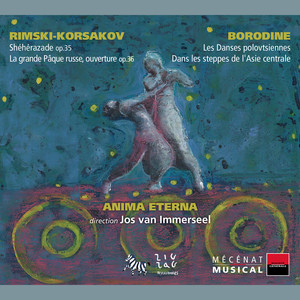 | Les danses polovtsiennes (Extraits de l'opéra Le Prince Igor): II. Danse des hommes | Alexander Borodin, Anima Eterna, Jos Van Immerseel | A Major | 0 | 11B | 87 BPM | |
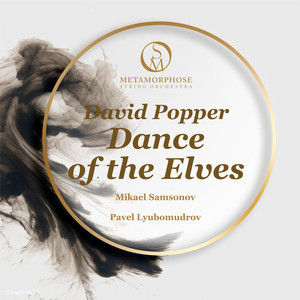 | Elfentanz, Op. 39 - Dance of the Elves | David Popper, Metamorphose String Orchestra, Pavel Lyubomudrov, Mikael Samsonov | G Major | 4 | 9B | 96 BPM | |
 | Giselle: No. 21 - Andante | Adolphe Adam, Michael Tilson Thomas, London Symphony Orchestra | E♭ Major | 0 | 5B | 73 BPM | |
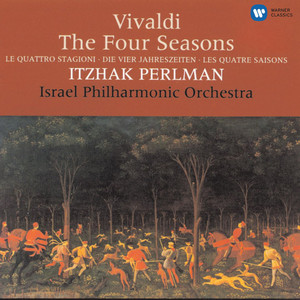 | Vivaldi: The Four Seasons, Violin Concerto in G Minor, Op. 8 No. 2, RV 315 "Summer": III. Presto | Antonio Vivaldi, Itzhak Perlman, Israel Philharmonic Orchestra | G Minor | 4 | 6A | 136 BPM | |
 | Vivaldi: La stravaganza, Violin Concerto in E Minor, Op. 4 No. 2, RV 279: I. Allegro | Antonio Vivaldi, Europa Galante, Fabio Biondi | E♭ Minor | 3 | 2A | 109 BPM | |
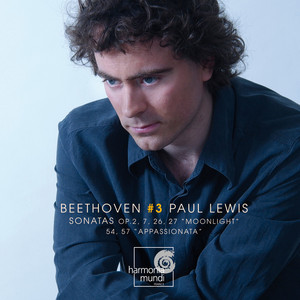 | Piano Sonata No. 14 in C-Sharp Minor, Op. 27 No. 2 "Moonlight": I. Adagio sostenuto | Ludwig van Beethoven, Paul Lewis | D♭ Minor | 0 | 12A | 172 BPM | |
 | Don Quixote: Act III: Coda | Ludwig Minkus, Sofia National Opera Orchestra, Nayden Todorov | G Major | 3 | 9B | 75 BPM | |
 | In Autumn, Op. 11 | Edvard Grieg, Gothenburg Symphony Orchestra, Neeme Järvi | A Minor | 1 | 8A | 109 BPM | |
 | Swan Lake, Op. 20 (Mariinsky Version), Act II: No. 19a, Pas de deux: Intrada. Tempo di valse | Pyotr Ilyich Tchaikovsky, Mariinsky Orchestra, Valery Gergiev | D Major | 1 | 10B | 120 BPM | |
 | Pelléas et Mélisande Suite, Op. 80: III. Sicilienne. Allegretto molto moderato | Gabriel Fauré, Berliner Philharmoniker, Daniel Barenboim | E♭ Major | 0 | 5B | 56 BPM | |
 | Serenade in C Major, Op. 48: I. Pezzo in forma di Sonatina | Pyotr Ilyich Tchaikovsky, Vienna Chamber Orchestra, Philippe Entremont | C Major | 3 | 8B | 112 BPM | |
 | Carnival of the Animals, R. 125: Aquarium | Camille Saint-Saëns, Arthur Fiedler, Leo Litwin, Samuel Lipman, Martin Hoherman, Boston Pops Orchestra | A Minor | 0 | 8A | 136 BPM | |
 | Eugene Onegin (Lyrical scenes in three acts) (Act 1): Introduction | Pyotr Ilyich Tchaikovsky, Emil Tchakarov, Sofia Festival Orchestra | G Minor | 0 | 6A | 131 BPM | |
 | Zdes' khorosho ('How Fair This Spot'), Op. 21, No. 7 | Sergei Rachmaninoff, Pablo Ferrandez, Denis Kozhukhin | A Major | 0 | 11B | 87 BPM | |
 | Fantasia in D Minor, K. 397 | Wolfgang Amadeus Mozart, Alfred Brendel | D Major | 0 | 10B | 126 BPM | |
 | Lohengrin, Act III: Prelude | Richard Wagner, Slovak Philharmonic Orchestra, Michael Halasz | G Major | 2 | 9B | 94 BPM | |
 | Bizet: Carmen: No. 1 Prélude | Georges Bizet, Michel Plasson, Orchestre National Du Capitole De Toulouse, Wolff | D Minor | 3 | 7A | 129 BPM | |
 | Romeo and Juliet, Op. 64 - Act 1: The Fight | Sergei Prokofiev, Cleveland Orchestra, Lorin Maazel | C Major | 4 | 8B | 108 BPM | |
 | Warsaw Concerto | Richard Addinsell, Jean-Yves Thibaudet, BBC Symphony Orchestra, Hugh Wolff | B Major | 1 | 1B | 76 BPM | |
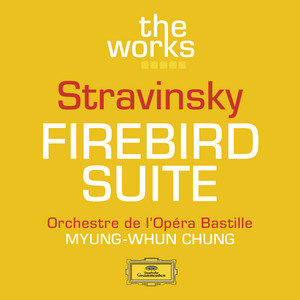 | The Firebird (L'oiseau De Feu) - Suite (1919): Finale | Igor Stravinsky, Orchestre de l'Opéra National de Paris, Myung-Whun Chung | E Major | 2 | 12B | 78 BPM | |
 | Hungarian Dance No.1 in G minor - Orchestrated by Brahms: Allegro molto | Johannes Brahms, Chicago Symphony Orchestra, Daniel Barenboim | G Minor | 2 | 6A | 65 BPM | |
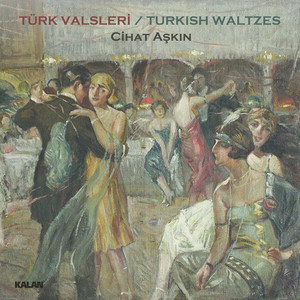 | Waltz No.2 | Cihat Aşkın | G Major | 8 | 9B | 85 BPM | |
 | Polovetsian Dances from Prince Igor: Introduzione | Alexander Borodin, George Szell, The Cleveland Orchestra | A Major | 1 | 11B | 83 BPM | |
 | Kaiser (Emperor), Op. 437 : Kaiser Walzer (Emperor Waltz), Op. 437 | Strauss Festival Orchestra, Johann Strauss II | C Major | 0 | 8B | 181 BPM | |
 | Carmen Suite No. 1 (Arr. E. Guiraud): IV. Séguedille | Georges Bizet, Orquestra Simfònica de Barcelona i Nacional de Catalunya, Pablo González | G Minor | 0 | 6A | 66 BPM |
- ISRC
- DEF059630006
- Label
- L-M Records/RCA Records