- BPM
- 88
- Key
- B♭ Major
- Camelot
- 6B
Bach, JS: Keyboard Concerto No. 6 in F Major, BWV 1057: II. Andante by Johann Sebastian Bach, Jean-François Paillard, Anne-Marie Beckensteiner, Ensemble instrumental Jean-Marie-Leclair Song Details
Johann Sebastian Bach, Jean-François Paillard, Anne-Marie Beckensteiner, Ensemble instrumental Jean-Marie-Leclair's ' "Bach, JS: Keyboard Concerto No. 6 in F Major, BWV 1057: II. Andante" was released on its scheduled release date, March 25, 2022. With this song being about 5 minutes long, at This song is fairly a long song compared to the average song length. This song does not have an "Explicit" tag, making it safe for all ages. The song is number 68 out of 169 in Bach: Brandenburg Concertos, Keyboard Concertos, Violin Concertos & Orchestral Suites by Johann Sebastian Bach, Jean-François Paillard. Going off of the ISRC code of this track, we detected that the origin of this track is from France. Bach, JS: Keyboard Concerto No. 6 in F Major, BWV 1057: II. Andante is unknown right now. Even with the track produces more of a neutral energy, it is pretty danceable compared to others.
BPM and Tempo
The tempo marking of Bach, JS: Keyboard Concerto No. 6 in F Major, BWV 1057: II. Andante by Johann Sebastian Bach, Jean-François Paillard, Anne-Marie Beckensteiner, Ensemble instrumental Jean-Marie-Leclair is Andante (at a walking pace), since this song has a tempo of 88 BPM. With that information, we can conclude that the song has a slow tempo. This song can go great with yoga or pilates. The time signature for this track is 4/4.
Music Key
This song is in the music key of B♭ Major. This also means that this song has a camelot key of 6B. So, the perfect camelot match for 6B would be either 6B or 7A. While, 7B can give you a low energy boost. For moderate energy boost, you would use 3B and a high energy boost can either be 8B or 1B. Though, if you want a low energy drop, you should looking for songs with either a camelot key of 6A or 5B will give you a low energy drop, 9B would be a moderate one, and 4B or 11B would be a high energy drop. Lastly, 3A allows you to change the mood.
Want to find the BPM and music key for other songs? Check out our BPM and Key Finder page!
- Popularity
- 0%
- Loudness
- -15.972 dB
- Acousticness
- 30%
- Danceability
- 79%
- Energy
- 37%
- Instrumentalness
- 0%
- Liveness
- 20%
- Loudness
- 73%
- Speechiness
- 57%
- Valence
- 46%
Recommendations
| Track | Artist | Key | Energy | Camelot | BPM | ||
|---|---|---|---|---|---|---|---|
 | Rameau: Premier livre de pièces de clavecin, RCT 1: I. Prélude | Jean-Philippe Rameau, Alexandre Tharaud | E Minor | 2 | 9A | 68 BPM | |
 | Scarlatti, D: Keyboard Sonata in D Minor, Kk. 1 | Domenico Scarlatti, David Fray | D Major | 0 | 10B | 68 BPM | |
 | Kinderszenen | Robert Schumann, Ivan Moravec | F Major | 0 | 7B | 131 BPM | |
 | Les Boréades, RCT 31, Acte IV, Scène IV: Entrée pour les Muses, les Zéphyres, les Saisons, les Heures et les Arts | Jean-Philippe Rameau, Teodor Currentzis | D♭ Major | 1 | 3B | 130 BPM | |
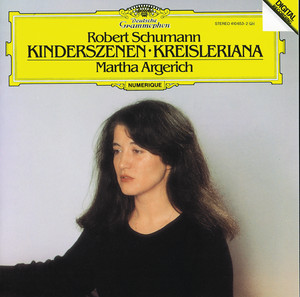 | Kinderszenen, Op. 15: I. Von fremden Ländern und Menschen | Robert Schumann, Martha Argerich | G Major | 0 | 9B | 128 BPM | |
 | Lieder ohne Worte, Op.19: No. 1 In E Major, MWV U 86 - "Sweet Remembrance" | Felix Mendelssohn, Daniel Barenboim | B Major | 0 | 1B | 89 BPM | |
 | The Notebook for Anna Magdalena Bach: No. 5, Menuet in G Minor - Formerly Attributed to Johann Sebastian Bach as BWV Anh. 115 | Christian Petzold, Christos Tsitsaros | G Minor | 2 | 6A | 117 BPM | |
 | Bach, C.P.E.: Cello Concerto No. 3 in A Major, Wq. 172, H. 439 (Cadenzas by Anner Bylsma): III. Allegro assai | Carl Philipp Emanuel Bach, Anner Bylsma, Orchestra of the Age of Enlightenment, Gustav Leonhardt | A♭ Minor | 1 | 1A | 75 BPM | |
 | Adagio in F, H.XVII No. 9 | Joseph Haydn, Alfred Brendel | F Major | 0 | 7B | 71 BPM | |
 | Keyboard Sonata in G Major, Op. 17, No. 4, W. A10: I. Allegro | Johann Christian Bach, Alberto Nosè | G Major | 1 | 9B | 124 BPM | |
 | Musical Offering, BWV 1079: Canon 2. a 2 Violini in unisono | Johann Sebastian Bach, Nils-Thilo Krämer, Ariane Pfister, Christian Benda, Sebastian Benda, Capella Istropolitana | C Major | 1 | 8B | 151 BPM | |
 | Andante in G Minor, Wq. 116/27 | Carl Philipp Emanuel Bach, Ana-Marija Markovina | A♭ Major | 1 | 4B | 81 BPM | |
 | Montero: Chaconne (after the "Ciaccona" from Bach's "Violin Partita No. 2", BWV 1004): | Gabriela Montero, Johann Sebastian Bach | D Minor | 2 | 7A | 151 BPM | |
 | The Well-Tempered Clavier, Book 1, BWV 846-869: Fugue No. 1 in C major, BWV 846 | Luc Beauséjour | A♭ Minor | 4 | 1A | 132 BPM | |
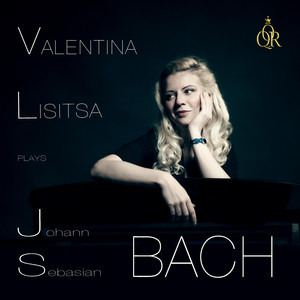 | Sicilienne, BWV 1031 | Valentina Lisitsa | D Minor | 2 | 7A | 73 BPM | |
 | Suita Lutniowa in A Minor, BWV 997: Sarabanda | nieznany, Johann Sebastian Bach, Bianka Szalaty | A Minor | 1 | 8A | 129 BPM | |
 | Rameau: Deuxième livre de pièces de clavecin, Suite en mi mineur: VIII. Tambourin | Jean-Philippe Rameau, György Cziffra | F♯ Minor | 3 | 11A | 112 BPM | |
 | Keyboard Concerto No. 5 in F Minor, BWV 1056: II. Largo | Johann Sebastian Bach, Glenn Gould, Vladimir Golschmann, Columbia Symphony Orchestra | F Minor | 0 | 4A | 61 BPM | |
 | Concerto For 4 Violins in B Minor, Op. 3, No. 10, RV 580 : III. Allegro | Cologne Chamber Orchestra, Lucas Barr, Renee Ohldin, Christine Pichlmeier, Corinne Chapelle, Antonio Vivaldi | B Minor | 3 | 10A | 123 BPM | |
 | Bach: Suite No.3 In D Major BWV 1068. Air | János Starker | D Major | 1 | 10B | 95 BPM | |
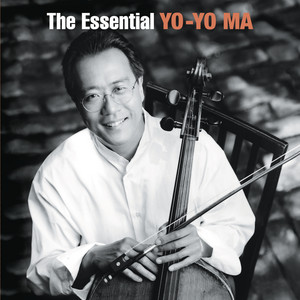 | Wachet auf, ruft uns die Stimme, BWV 645 | Yo-Yo Ma, Ton Koopman, Amsterdam Baroque Orchestra | D Major | 0 | 10B | 79 BPM | |
 | Oboe Concerto in D Minor, Op. 9 No. 2: II. Adagio | Tomaso Albinoni, David Reichenberg, The English Concert, Trevor Pinnock | A Major | 1 | 11B | 68 BPM | |
 | Viola da gamba Sonata in D Major, Wq. 137 (Arr. for Cello & Piano): I. Adagio, ma non tanto | Carl Philipp Emanuel Bach, Daniel Müller-Schott, Angela Hewitt | D Major | 0 | 10B | 100 BPM | |
 | Concerto In F Major, F Dur BWV978, After Antonio Vivaldi: (Allegro) | Arts Music Recording, Rotterdam, Pieter Dirksen, Johann Sebastian Bach | E Minor | 1 | 9A | 81 BPM | |
 | Goldberg Variations In G Major BWV 988, Aria With 30 Variations, Goldberg Variationen, G Dur BWV 988, Aria Mit 30 Veränderungen : Aria | Arts Music Recording, Rotterdam, Pieter-Jan Belder, Johann Sebastian Bach | B♭ Major | 4 | 6B | 129 BPM |
- ISRC
- FRZ201900044
- Label
- L-M Records/RCA Records