- BPM
- 143
- Key
- F♯ Major
- Camelot
- 2B
Strauss, R: An Alpine Symphony, Op. 64: XIX. Thunderstorm by Richard Strauss, Rudolf Kempe, Staatskapelle Dresden Song Details
"Strauss, R: An Alpine Symphony, Op. 64: XIX. Thunderstorm" by Richard Strauss, Rudolf Kempe, Staatskapelle Dresden had its release date on January 1, 2013. With this song being around four minutes long, at 3:48, the duration of this song is pretty average compared to other songs. This track is safe for children and doesn't appear to contain any foul language, since the "Explicit" tag was not present in this track. There are a total of 103 in the song's album "Strauss: Complete Orchestral Works". In this album, this song's track order is #38. Furthermore, we believe that the track originated from United Kingdom. Based on our statistics, Strauss, R: An Alpine Symphony, Op. 64: XIX. Thunderstorm's popularity is not that popular right now. In our opinion, the overall tone is not very danceable and projects negative sounds, such as being sad, depressed, or angry.
BPM and Tempo
With Strauss, R: An Alpine Symphony, Op. 64: XIX. Thunderstorm by Richard Strauss, Rudolf Kempe, Staatskapelle Dresden having a BPM of 143 with a half-time of 72 BPM and a double-time of 286 BPM, we would consider this track to have a Allegro (fast, quick, and bright) tempo marking. Because of this, we believe that the song has an overall fast tempo. Looking at the BPM of this song, this song might go great with jogging or cycling. The time signature for this track is 4/4.
Music Key
This song has a musical key of F♯ Major. Or for those who are familiar with the camelot wheel, this song has a camelot key of 2B. So, the perfect camelot match for 2B would be either 2B or 3A. While, 3B can give you a low energy boost. For moderate energy boost, you would use 11B and a high energy boost can either be 4B or 9B. Though, if you want a low energy drop, you should looking for songs with either a camelot key of 2A or 1B will give you a low energy drop, 5B would be a moderate one, and 12B or 7B would be a high energy drop. Lastly, 11A allows you to change the mood.
Want to find the BPM and music key for other songs? Check out our BPM and Key Finder page!
- Popularity
- 1%
- Loudness
- -8.835 dB
- Acousticness
- 24%
- Danceability
- 16%
- Energy
- 65%
- Instrumentalness
- 69%
- Liveness
- 32%
- Loudness
- 85%
- Speechiness
- 5%
- Valence
- 12%
Recommendations
| Track | Artist | Key | Energy | Camelot | BPM | ||
|---|---|---|---|---|---|---|---|
 | Notturno for Strings and Harp | Arnold Schoenberg, Daniel Hope, Zürcher Kammerorchester, Jane Berthe | A♭ Major | 1 | 4B | 75 BPM | |
 | Fontane di Roma, P. 106: IV. La fontana di Villa Medici al tramonto | Ottorino Respighi, New York Philharmonic, Giuseppe Sinopoli | F♯ Minor | 0 | 11A | 61 BPM | |
 | Götterdämmerung, WWV 86D, Act I: Day Breaking 'Round Siegfried's and Brünnhilde's Passion | Richard Wagner, Berliner Philharmoniker, Lorin Maazel | B♭ Minor | 1 | 3A | 68 BPM | |
 | Scheherazade, Op. 35: II. Lento - Andantino "The Legend of the Kalendar Prince" | Nikolai Rimsky-Korsakov, New York Philharmonic, Alan Gilbert, Lawrence Rock | G Major | 1 | 9B | 59 BPM | |
 | Concerto for Oboe and Small Orchestra in D Major, Op. 144: II. Andante | Richard Strauss, François Leleux, Swedish Radio Symphony Orchestra, Daniel Harding | B♭ Major | 1 | 6B | 79 BPM | |
 | Salut d'amour, Op. 12 (version for orchestra) | Edward Elgar, Slovak Radio Symphony Orchestra, Adrian Leaper | B♭ Major | 1 | 6B | 82 BPM | |
 | Symphony In C Major: IV. Allegro Vivace | New Zealand Symphony Orchestra, Georges Bizet | G Major | 1 | 9B | 146 BPM | |
 | Candide: Overture | Leonard Bernstein, New York Philharmonic | E♭ Major | 4 | 5B | 82 BPM | |
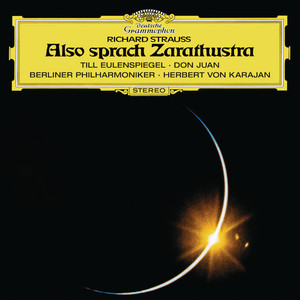 | Also sprach Zarathustra, Op. 30: V. Das Grablied | Richard Strauss, Berliner Philharmoniker, Herbert von Karajan | F♯ Minor | 1 | 11A | 93 BPM | |
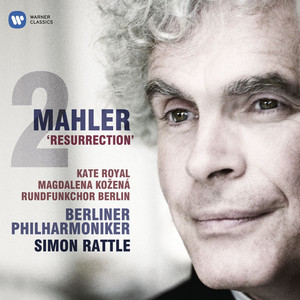 | Mahler: Symphony No. 2 in C Minor "Resurrection": V. (d) Wieder zurückhaltend | Gustav Mahler, Sir Simon Rattle, Berliner Philharmoniker | F♯ Major | 0 | 2B | 144 BPM | |
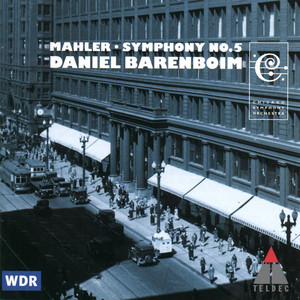 | Mahler: Symphony No. 5 in C-Sharp Minor: I. Trauermarsch | Gustav Mahler, Daniel Barenboim, Chicago Symphony Orchestra | D♭ Minor | 1 | 12A | 122 BPM | |
 | Consolation No. 3 in D-Flat Major, S. 172/3 | Franz Liszt, Vladimir Horowitz | D♭ Major | 0 | 3B | 70 BPM | |
 | Khovanshchina: Overture (Prelude) | Modest Mussorgsky, Mariinsky Orchestra, Valery Gergiev | D♭ Major | 0 | 3B | 90 BPM | |
 | Petrouchka: Danse des cochers et des palefreniers | Ferenc Fricsay, Berliner Philharmoniker | A Minor | 6 | 8A | 121 BPM | |
 | Serenade for String Orchestra in C Minor, Op. posth.: III. Allegro | Max Bruch, George Hanson, Sinfonieorchester Wuppertal | A Minor | 1 | 8A | 88 BPM | |
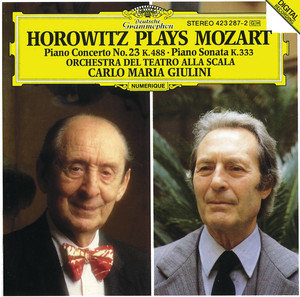 | Piano Concerto No. 23 in A Major, K. 488: I. Allegro (Cadenza by Busoni) | Wolfgang Amadeus Mozart, Vladimir Horowitz, Orchestra Del Teatro Alla Scala, Milano, Carlo Maria Giulini | A Major | 1 | 11B | 140 BPM | |
 | Symphony in C Major, Op. 46: II. Sehr langsam - | Hans Pfitzner, Seattle Symphony Orchestra, Gerard Schwarz | F Major | 0 | 7B | 87 BPM | |
 | Tristan und Isolde, WWV 90: Prelude To Act I | Richard Wagner, Gewandhausorchester Leipzig, Andris Nelsons | A Minor | 1 | 8A | 79 BPM | |
 | Barber: Adagio for Strings | Samuel Barber, Sir Simon Rattle, Berliner Philharmoniker | B♭ Minor | 1 | 3A | 73 BPM | |
 | Ives / Orch. Brant: A Concord Symphony: III. The Alcotts | Charles Ives, Henry Brant, San Francisco Symphony, Michael Tilson Thomas | E♭ Major | 1 | 5B | 91 BPM | |
 | Brahms: Double Concerto for Violin and Cello in A Minor, Op. 102: II. Andante | Johannes Brahms, Itzhak Perlman, Bernard Haitink, Concertgebouworkest | D Major | 1 | 10B | 105 BPM | |
 | Vier letzte Lieder, TrV 296: 2. September | Richard Strauss, Jessye Norman, Gewandhausorchester, Kurt Masur | D Major | 1 | 10B | 153 BPM | |
 | Suite No. 3, P. 172: III. Siciliana: Andantino | Ottorino Respighi, RTÉ National Symphony Orchestra | C Minor | 0 | 5A | 93 BPM | |
 | Piano Quintet in C Minor: I. Andante | Alexander Borodin, Ilona Prunyi, New Budapest Quartet | C Minor | 1 | 5A | 68 BPM | |
 | Symphony No. 6 in B Minor, Op. 74 "Pathétique": II. Allegro con grazia | Pyotr Ilyich Tchaikovsky, Berliner Philharmoniker, Kirill Petrenko | D Major | 1 | 10B | 85 BPM |
- ISRC
- GBAYC1201664
- Label
- L-M Records/RCA Records