- BPM
- 81
- Key
- G Minor
- Camelot
- 6A
Concerto for Violin and String Orchestra: II. Adagio - Tranquillo by Ralph Vaughan Williams, Tamsin Waley-Cohen, David Curtis, Orchestra of the Swan Song Details
"Concerto for Violin and String Orchestra: II. Adagio - Tranquillo" by Ralph Vaughan Williams, Tamsin Waley-Cohen, David Curtis, Orchestra of the Swan had its release date on September 29, 2014. Since This song is still less than 10 minute long, it is still considered a pretty long duration song compared to the average song length. This song does not appear to be explicit due to the lack of the "E" tag. This song is part of Vaughan Williams: The Lark Ascending, Violin Concerto in D Minor - Elgar: Introduction & Allegro, Serenade for Strings by Tamsin Waley-Cohen, David Curtis, Orchestra of the Swan. The song's track number on the album is #2 out of 8 tracks. Concerto for Violin and String Orchestra: II. Adagio - Tranquillo is not that popular right now. In our opinion, the overall tone is not very danceable and projects negative sounds, such as being sad, depressed, or angry.
BPM and Tempo
Since Concerto for Violin and String Orchestra: II. Adagio - Tranquillo by Ralph Vaughan Williams, Tamsin Waley-Cohen, David Curtis, Orchestra of the Swan has a tempo of 81 beats per a minute, the tempo markings of this song would be Andante (at a walking pace). With Concerto for Violin and String Orchestra: II. Adagio - Tranquillo being at 81 BPM, the half-time would be 40 BPM with a double-time of 162 BPM.In addition, we consider the tempo speed to be pretty slow for this song. The time signature for this track is 3/4.
Music Key
This song has a musical key of G Minor. Which also means that the camelot key for this song is 6A. So, the perfect camelot match for 6A would be either 6A or 5B. While, a low energy boost can consist of either 6B or 7A. For moderate energy boost, you would use 3A and a high energy boost can either be 8A or 1A. However, if you are looking for a low energy drop, finding a song with a camelot key of 5A would be a great choice. Where 9A would give you a moderate drop, and 4A or 11A would be a high energy drop. Lastly, 9B allows you to change the mood.
Want to find the BPM and music key for other songs? Check out our BPM and Key Finder page!
- Popularity
- 8%
- Loudness
- -22.821 dB
- Acousticness
- 90%
- Danceability
- 10%
- Energy
- 10%
- Instrumentalness
- 16%
- Liveness
- 10%
- Loudness
- 62%
- Speechiness
- 5%
- Valence
- 4%
Recommendations
| Track | Artist | Key | Energy | Camelot | BPM | ||
|---|---|---|---|---|---|---|---|
 | Shostakovich / Arr. Atovmyan: Suite from the Gadfly, Op. 97a: VIII. Romance | Dmitri Shostakovich, Tasmin Little, Piers Lane | C Major | 1 | 8B | 175 BPM | |
 | Suite No. 3, P. 172: II. Arie Di Corte: Andante Cantabile | Ottorino Respighi, RTÉ National Symphony Orchestra | G Major | 0 | 9B | 79 BPM | |
 | String Quartet No. 1 in D Major, Op. 11, TH 111: II. Andante cantabile (Version for String Orchestra) | Pyotr Ilyich Tchaikovsky, Leonard Bernstein, New York Philharmonic | B♭ Major | 1 | 6B | 93 BPM | |
 | Scheherazade: Calm at Sea | Nikolai Rimsky-Korsakov, Lars Hjalmar Joakim | E Major | 2 | 12B | 84 BPM | |
 | Come, Sweet Death, BWV 478 (Arr. for 5 Cellos) | Sheku Kanneh-Mason, Hannah Roberts, Ben Davies, Desmond Neysmith, Max Ruisi | C Major | 0 | 8B | 122 BPM | |
 | Bizet / Arr. Guiraud: Carmen Suite No. 1: III. Intermezzo | Georges Bizet, Seiji Ozawa, Orchestre National De France | E♭ Major | 0 | 5B | 74 BPM | |
 | The Birds, P. 154: V. The Cuckoo (Il cuccù) | Ottorino Respighi, Orpheus Chamber Orchestra | A Major | 0 | 11B | 118 BPM | |
 | Adoration | Florence Beatrice Price, Randall Goosby, Zhu Wang | D Major | 1 | 10B | 75 BPM | |
 | Vaughan Williams: The Lark Ascending | Ralph Vaughan Williams, Sir Adrian Boult, Hugh Bean, New Philharmonia Orchestra | E Minor | 0 | 9A | 102 BPM | |
 | Songs My Mother Taught Me (from "Gypsy Songs", Op. 55, No. 4) | Antonín Dvořák, Yo-Yo Ma, Kathryn Stott | B Minor | 0 | 10A | 92 BPM | |
 | Spitfire Prelude and Fugue | William Walton, English Northern Philharmonia, Paul Daniel | C Major | 3 | 8B | 125 BPM | |
 | Adagio from Violin Sonata in G Minor, Op. 5 No. 5 (Arr. Leopold Stokowski) | Arcangelo Corelli, Matthias Bamert, BBC Philharmonic | G Minor | 0 | 6A | 175 BPM | |
 | 5 Mystical Songs: IV. The Call | Ralph Vaughan Williams, George Herbert, Riga Cathedral Boys Choir, Kristina Stobæus, Aivars Kalejs, Janis Erenstreits | A♭ Minor | 1 | 1A | 81 BPM | |
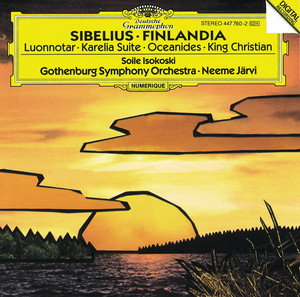 | Andante Festivo | Jean Sibelius, Gothenburg Symphony Orchestra, Neeme Järvi | G Major | 1 | 9B | 86 BPM | |
 | Dona nobis pacem: Agnus Dei | Ralph Vaughan Williams, Christina Pier, Matthew Brook, The Bach Choir, Bournemouth Symphony Orchestra, David Hill | G Minor | 1 | 6A | 83 BPM | |
 | Elgar: Serenade for Strings, Op. 20: I. Allegro piacevole | Edward Elgar, London Philharmonic Orchestra, Sir Adrian Boult | E Minor | 1 | 9A | 125 BPM | |
 | On hearing the first Cuckoo in Spring | Frederick Delius, Academy of St. Martin in the Fields, Sir Neville Marriner | G Major | 1 | 9B | 80 BPM | |
| Scheherazade: The Sea & Sinbad's Ship | Nikolai Rimsky-Korsakov, Lars Hjalmar Joakim | E Major | 1 | 12B | 82 BPM | |
 | Pelléas et Mélisande Suite, Op. 80: III. Sicilienne. Allegretto molto moderato | Gabriel Fauré, Berliner Philharmoniker, Daniel Barenboim | E♭ Major | 0 | 5B | 56 BPM | |
 | Carnival of the Animals, R. 125: XIII. The Swan | Camille Saint-Saëns, Marian Lapsansky, Peter Toperczer, Slovak Radio Symphony Orchestra, Ondrej Lenard | G Major | 0 | 9B | 79 BPM | |
 | Symphony No. 3 In C Minor, Op. 78 "Organ Symphony": 1. Adagio - Allegro moderato - Poco adagio | Camille Saint-Saëns, Simon Preston, Berliner Philharmoniker, James Levine | A♭ Major | 1 | 4B | 118 BPM | |
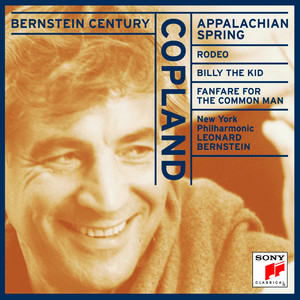 | Appalachian Spring: I. Very Slowly | Aaron Copland, Leonard Bernstein, New York Philharmonic | A Major | 0 | 11B | 78 BPM | |
 | 3 Compositions, Op. 40: No. 2, Berceuse | Amy Beach, Rachel Barton Pine, Matthew Hagle | D Major | 0 | 10B | 86 BPM | |
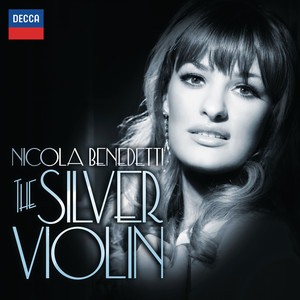 | Ladies In Lavender - Main Theme - (Ladies in Lavender) | Nigel Hess, Nicola Benedetti, Bournemouth Symphony Orchestra, Kirill Karabits | D Major | 2 | 10B | 87 BPM | |
 | Symphony No. 3 in C Minor, Op. 78, R. 176 "Organ Symphony": III. Maestoso - Allegro | Camille Saint-Saëns, Gaston Litaize, Chicago Symphony Orchestra, Daniel Barenboim | D♭ Major | 1 | 3B | 110 BPM |
- ISRC
- This song does not have an ISRC.
- Label
- L-M Records/RCA Records