- BPM
- 129
- Key
- D Minor
- Camelot
- 7A
Phantasy Quintet: IV. Burlesca by Ralph Vaughan Williams, Medici String Quartet, Simon Rowland-Jones Song Details
Ralph Vaughan Williams, Medici String Quartet, Simon Rowland-Jones's 'Phantasy Quintet: IV. Burlesca' had a release date set for January 1, 1989. With this song being around four minutes long, at 4:18, the duration of this song is pretty average compared to other songs. This track is safe for children and doesn't appear to contain any foul language, since the "Explicit" tag was not present in this track. This song is part of Vaughan Williams: The String Quartets & Phantasy Quintet by Ralph Vaughan Williams, Medici String Quartet, Simon Rowland-Jones. The song's track number on the album is #4 out of 12 tracks. Based on our statistics, Phantasy Quintet: IV. Burlesca's popularity is not that popular right now. In our opinion, the overall tone is not very danceable and projects negative sounds, such as being sad, depressed, or angry.
BPM and Tempo
Since Phantasy Quintet: IV. Burlesca by Ralph Vaughan Williams, Medici String Quartet, Simon Rowland-Jones has a tempo of 129 beats per a minute, the tempo markings of this song would be Allegro (fast, quick, and bright). With Phantasy Quintet: IV. Burlesca being at 129 BPM, the half-time would be 64 BPM with a double-time of 258 BPM.In addition, we consider the tempo speed to be pretty fast for this song. This makes this song perfect for activities such as, walking. The time signature for this track is 4/4.
Music Key
This song has a musical key of D Minor. Which also means that the camelot key for this song is 7A. So, the perfect camelot match for 7A would be either 7A or 6B. While, a low energy boost can consist of either 7B or 8A. For moderate energy boost, you would use 4A and a high energy boost can either be 9A or 2A. However, if you are looking for a low energy drop, finding a song with a camelot key of 6A would be a great choice. Where 10A would give you a moderate drop, and 5A or 12A would be a high energy drop. Lastly, 10B allows you to change the mood.
Want to find the BPM and music key for other songs? Check out our BPM and Key Finder page!
- Popularity
- 5%
- Loudness
- -20.659 dB
- Acousticness
- 95%
- Danceability
- 39%
- Energy
- 7%
- Instrumentalness
- 38%
- Liveness
- 10%
- Loudness
- 66%
- Speechiness
- 4%
- Valence
- 34%
Recommendations
| Track | Artist | Key | Energy | Camelot | BPM | ||
|---|---|---|---|---|---|---|---|
 | Finlandia, Op. 26 | Jean Sibelius, Berliner Philharmoniker, Herbert von Karajan | A♭ Major | 3 | 4B | 67 BPM | |
 | 4 Characteristic Waltzes, Op. 22: No. 1 Valse Bohemienne | Samuel Coleridge-Taylor, RTE Concert Orchestra, Adrian Leaper | E Minor | 1 | 9A | 81 BPM | |
 | Sibelius: Valse triste, Op. 44 | Jean Sibelius, San Francisco Symphony, Michael Tilson Thomas | G Major | 0 | 9B | 102 BPM | |
 | Symphony No. 3 In C Minor, Op. 78 "Organ Symphony": 2. Allegro moderato - Presto - Allegro moderato - Maestoso - Più allegro - Molto allegro | Camille Saint-Saëns, Simon Preston, Berliner Philharmoniker, James Levine | F Minor | 2 | 4A | 117 BPM | |
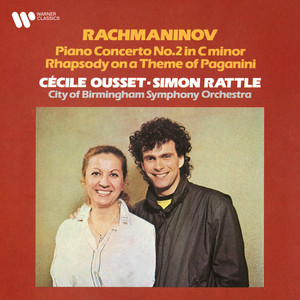 | Rachmaninov: Rhapsody on a Theme of Paganini, Op. 43: Variation XVIII. Andante cantabile | Sergei Rachmaninoff, Cecile Ousset, City Of Birmingham Symphony Orchestra, Sir Simon Rattle | C Major | 2 | 8B | 106 BPM | |
 | Pantomime: Vivace | Philip Lane, Royal Ballet Sinfonia, David Lloyd-Jones | G Minor | 2 | 6A | 113 BPM | |
 | Dona nobis pacem: Agnus Dei | Ralph Vaughan Williams, Christina Pier, Matthew Brook, The Bach Choir, Bournemouth Symphony Orchestra, David Hill | G Minor | 1 | 6A | 83 BPM | |
 | Elgar: Introduction and Allegro, Op. 47: I. Moderato | Edward Elgar, Sir John Barbirolli, Allegri String Quartet, Sinfonia Of London | G Major | 6 | 9B | 100 BPM | |
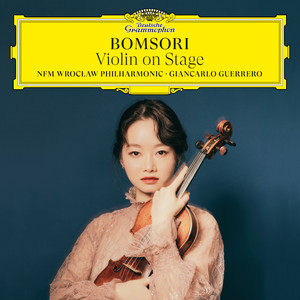 | Thaïs: Méditation | Jules Massenet, Bomsori, NFM Wrocław Philharmonic, Giancarlo Guerrero | D Major | 0 | 10B | 84 BPM | |
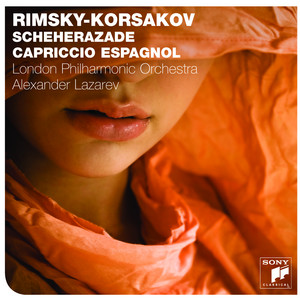 | Scheherazade: The Young Prince | Nikolai Rimsky-Korsakov, Lars Hjalmar Joakim | G Major | 1 | 9B | 91 BPM | |
 | Prélude to the Afternoon of a Faun | Claude Debussy, Hanspeter Gmür, Nuremberg Symphony Orchestra | C Major | 9 | 8B | 85 BPM | |
 | 4 Short Pieces for Violin & Piano, H. 104: No. 2, Spring Song (Version for Cello & Piano) | Frank Bridge, Gerald Peregrine, Antony Ingham | G Major | 0 | 9B | 86 BPM | |
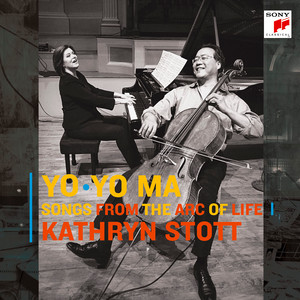 | Songs My Mother Taught Me (from "Gypsy Songs", Op. 55, No. 4) | Antonín Dvořák, Yo-Yo Ma, Kathryn Stott | B Minor | 0 | 10A | 92 BPM | |
 | Suite No. 2, P. 138: IV. Bergamasca: Allegro | Ottorino Respighi, RTÉ National Symphony Orchestra | D Major | 1 | 10B | 86 BPM | |
 | Elegy, Op. 58 | Edward Elgar, English Northern Philharmonia, David Lloyd-Jones | F Minor | 0 | 4A | 84 BPM | |
 | Serenade for Strings in C major, Op. 48: I. Pezzo in forma di sonatina: Andante non troppo - Allegro moderato | Pyotr Ilyich Tchaikovsky, Moscow Soloists, Yuri Bashmet | C Major | 3 | 8B | 123 BPM | |
 | Polovetsian Dances from Prince Igor: Introduzione | Alexander Borodin, George Szell, The Cleveland Orchestra | A Major | 1 | 11B | 83 BPM | |
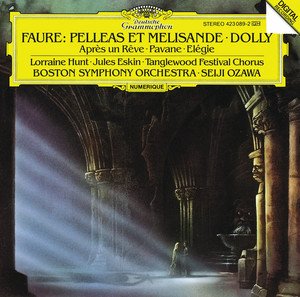 | Après un Rêve Op.7, No.1 | Gabriel Fauré, Jules Eskin, Boston Symphony Orchestra, Seiji Ozawa | F Minor | 1 | 4A | 96 BPM | |
 | Concerto Grosso: 1. Intrada | Ralph Vaughan Williams, Academy of St. Martin in the Fields, Sir Neville Marriner | G Major | 2 | 9B | 60 BPM | |
 | The Lark Ascending | Ralph Vaughan Williams, Nicola Benedetti, London Philharmonic Orchestra, Andrew Litton | E Minor | 1 | 9A | 89 BPM | |
 | Quiet City | Aaron Copland, Paula Engerer, Scott Moore, Nashville Chamber Orchestra, Paul Gambill | F Major | 0 | 7B | 72 BPM | |
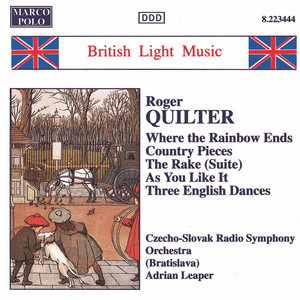 | Where the Rainbow Ends Suite (version for orchestra): No. 1a Rainbow Land | Roger Quilter, Slovak Radio Symphony Orchestra, Adrian Leaper | A Major | 0 | 11B | 69 BPM | |
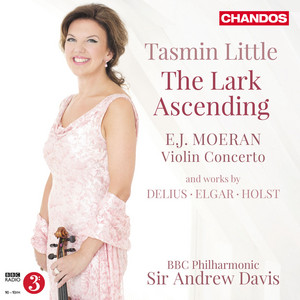 | The Lark Ascending | Ralph Vaughan Williams, Andrew Davis, BBC Philharmonic, BBC Symphony Orchestra, Tasmin Little | E Minor | 0 | 9A | 80 BPM | |
 | Fauré: Pavane, Op. 50 | Gabriel Fauré, New Philharmonia Orchestra/Sir David Willcocks/Gareth Morris, Gareth Morris, Sir David Willcocks, New Philharmonia Orchestra | F♯ Minor | 0 | 11A | 130 BPM | |
 | Sibelius: Symphony No. 5 in E-Flat Major, Op. 82: III. Allegro molto | Jean Sibelius, Sakari Oramo, City Of Birmingham Symphony Orchestra | A♭ Major | 1 | 4B | 149 BPM |
- ISRC
- This song does not have an ISRC.
- Label
- L-M Records/RCA Records