- BPM
- 78
- Key
- G Minor
- Camelot
- 6A
Variations on an Original Theme, Op. 36 "Enigma": Variations on an Original Theme, Op. 36, "Enigma": Variation 1: C. A. E. (the Composer's Wife) by Edward Elgar, London Philharmonic Orchestra, Sir Adrian Boult Song Details
"Variations on an Original Theme, Op. 36 "Enigma": Variations on an Original Theme, Op. 36, "Enigma": Variation 1: C. A. E. (the Composer's Wife)" by Edward Elgar, London Philharmonic Orchestra, Sir Adrian Boult had its release date on October 26, 2010. With This song being less than two minutes long, at 1:55, we are fairly confident that this song is not explicit and is safe for all ages. Based on the duration of this song, this song duration is much smaller than the average song duration. The song is number 3 out of 20 in Fiennes, Ralph: Kipling by Ralph Fiennes. Going off of the ISRC code of this track, we detected that the origin of this track is from United Kingdom. Variations on an Original Theme, Op. 36 "Enigma": Variations on an Original Theme, Op. 36, "Enigma": Variation 1: C. A. E. (the Composer's Wife) is unknown right now. In our opinion, the overall tone is not very danceable and projects negative sounds, such as being sad, depressed, or angry.
BPM and Tempo
The tempo marking of Variations on an Original Theme, Op. 36 "Enigma": Variations on an Original Theme, Op. 36, "Enigma": Variation 1: C. A. E. (the Composer's Wife) by Edward Elgar, London Philharmonic Orchestra, Sir Adrian Boult is Andante (at a walking pace), since this song has a tempo of 78 BPM. With that information, we can conclude that the song has a slow tempo. The time signature for this track is 4/4.
Music Key
G Minor is the music key of this track. Because this track belongs in the G Minor key, the camelot key is 6A. So, the perfect camelot match for 6A would be either 6A or 5B. While, a low energy boost can consist of either 6B or 7A. For moderate energy boost, you would use 3A and a high energy boost can either be 8A or 1A. However, if you are looking for a low energy drop, finding a song with a camelot key of 5A would be a great choice. Where 9A would give you a moderate drop, and 4A or 11A would be a high energy drop. Lastly, 9B allows you to change the mood.
Want to find the BPM and music key for other songs? Check out our BPM and Key Finder page!
- Popularity
- 0%
- Loudness
- -23.438 dB
- Acousticness
- 98%
- Danceability
- 10%
- Energy
- 8%
- Instrumentalness
- 85%
- Liveness
- 20%
- Loudness
- 61%
- Speechiness
- 4%
- Valence
- 4%
Recommendations
| Track | Artist | Key | Energy | Camelot | BPM | ||
|---|---|---|---|---|---|---|---|
 | Rhapsody on a Theme of Paganini, Op. 43: Variation 18 | Sergei Rachmaninoff, Bernd Glemser, Polish National Radio Symphony Orchestra, Antoni Wit | D♭ Major | 1 | 3B | 76 BPM | |
 | Poulenc: Concerto for Two Pianos in D Minor, FP 61: II. Larghetto | Francis Poulenc, James Conlon, François-René Duchâble, Jean-Philippe Collard, Rotterdam Philharmonic Orchestra | B♭ Major | 0 | 6B | 84 BPM | |
 | Brahms: Violin Concerto in D Major, Op. 77: III. Allegro giocoso, ma non troppo vivace | Johannes Brahms, Itzhak Perlman, Carlo Maria Giulini, Chicago Symphony Orchestra | G Major | 3 | 9B | 87 BPM | |
 | 3 Small Tone Poems: No. 3, Spring Morning | Frederick Delius, Royal Scottish National Orchestra, David Lloyd-Jones | A Major | 0 | 11B | 89 BPM | |
 | Lieder ohne Worte (Songs without Words), Book 2, Op. 30: No. 7 in E-Flat Major, Op. 30, No. 1, MWV U103 | Felix Mendelssohn, Péter Nagy | E♭ Major | 0 | 5B | 65 BPM | |
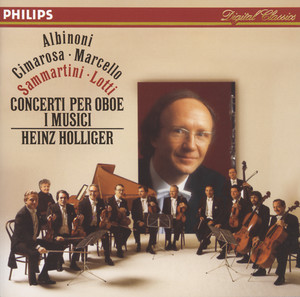 | Oboe Concerto in D Minor, S. Z799: II. Adagio | Alessandro Marcello, Heinz Holliger, I Musici | D Minor | 1 | 7A | 79 BPM | |
 | Warsaw Concerto | Richard Addinsell, Jean-Yves Thibaudet, BBC Symphony Orchestra, Hugh Wolff | B Major | 1 | 1B | 76 BPM | |
 | Serse, HWV 40: Largo "Ombra mai fu" | George Frideric Handel, Eugene Ormandy, Philadelphia Orchestra | G Major | 1 | 9B | 82 BPM | |
 | Petite suite de concert, Op. 77: III. Un sonnet d'amour | Samuel Coleridge-Taylor, Chicago Sinfonietta, Paul Freeman | A Major | 0 | 11B | 70 BPM | |
 | Mendelssohn: Violin Concerto in E Minor Op. 64: I. Allegro molto appassionato | Felix Mendelssohn, Maxim Vengerov, Kurt Masur, Gewandhausorchester Leipzig | E Minor | 2 | 9A | 101 BPM | |
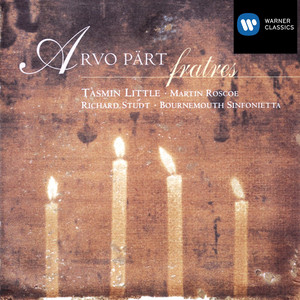 | Pärt: Spiegel im Spiegel | Arvo Pärt, Tasmin Little, Martin Roscoe | F Major | 0 | 7B | 80 BPM | |
 | Fauré: Pavane, Op. 50 (Instrumental Version) | Gabriel Fauré, Sir Neville Marriner, Academy of St. Martin in the Fields | F♯ Minor | 1 | 11A | 70 BPM | |
 | Zdes' khorosho ('How Fair This Spot'), Op. 21, No. 7 | Sergei Rachmaninoff, Pablo Ferrandez, Denis Kozhukhin | A Major | 0 | 11B | 87 BPM | |
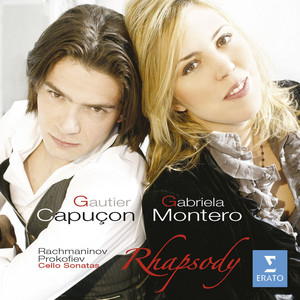 | Rachmaninov: Rhapsody on a Theme of Paganini, Op. 43: Variation XVIII. Andante cantabile | Sergei Rachmaninoff, Gautier Capuçon, Gabriela Montero | D♭ Major | 0 | 3B | 84 BPM | |
 | Capriol Suite: 5. Pied-en- l'air | Peter Warlock, Academy of St. Martin in the Fields, Nicholas Kraemer, Sir Neville Marriner | G Major | 1 | 9B | 113 BPM | |
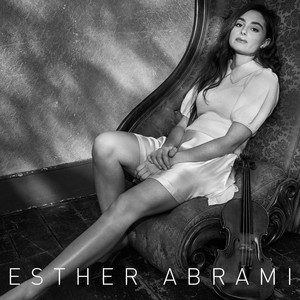 | Three Romances for Violin and Piano, Op. 22: I. Andante molto | Clara Schumann, Esther Abrami, Iyad Sughayer | D♭ Major | 2 | 3B | 81 BPM | |
 | Myrthen, Op. 25 - Version for Cello and Piano: XXIV. Du bist wie eine Blume | Robert Schumann, Kian Soltani, Aaron Pilsan | F Major | 0 | 7B | 116 BPM | |
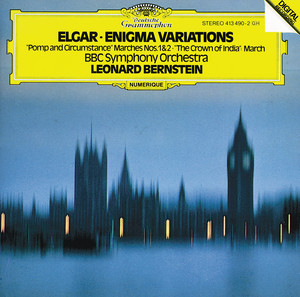 | Enigma Variations, Op. 36: Var. 14. Finale. Allegro "E.D.U." | Edward Elgar, BBC Symphony Orchestra, Leonard Bernstein | G Major | 2 | 9B | 115 BPM | |
 | 24 Preludes, Op. 28: No. 15 in D-Flat Major "Raindrop" | Frédéric Chopin, Evgeny Kissin | G Major | 2 | 9B | 101 BPM | |
 | Elégie in C Minor, Op. 24 (Arr. Parkin) | Gabriel Fauré, Sheku Kanneh-Mason, Rowena Calvert, Ashok Klouda, Nicholas Trygstad, Caroline Dearnley, Desmond Neysmith, Josephine Knight, Hannah Roberts, Chris Murray, Robert Max | A♭ Major | 0 | 4B | 88 BPM | |
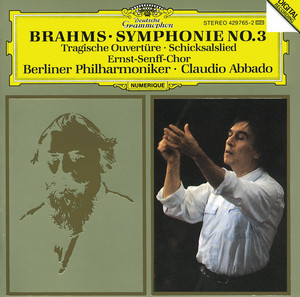 | Symphony No. 3 in F Major, Op. 90: III. Poco allegretto | Johannes Brahms, Berliner Philharmoniker, Claudio Abbado | C Minor | 0 | 5A | 101 BPM | |
 | Violin Concerto In E Minor, Op. 64, MWV O14: II. Andante | Felix Mendelssohn, Anne-Sophie Mutter, Gewandhausorchester, Kurt Masur | C Major | 1 | 8B | 103 BPM | |
 | 3 Études de Concert, S. 144: No. 3 in D-Flat Major "Un sospiro" | Franz Liszt, Daniil Trifonov | D♭ Major | 1 | 3B | 76 BPM | |
 | Adagio from Violin Sonata in G Minor, Op. 5 No. 5 (Arr. Leopold Stokowski) | Arcangelo Corelli, Matthias Bamert, BBC Philharmonic | G Minor | 0 | 6A | 175 BPM | |
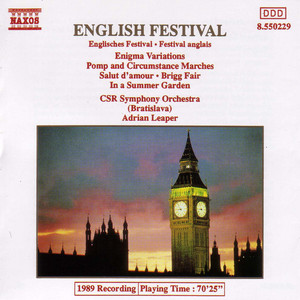 | Salut d'amour, Op. 12 (version for orchestra) | Edward Elgar, Slovak Radio Symphony Orchestra, Adrian Leaper | B♭ Major | 1 | 6B | 82 BPM |
- ISRC
- GBYDS1000245
- Label
- L-M Records/RCA Records