- BPM
- 109
- Key
- D♭ Major
- Camelot
- 3B
The Wasps, Act I: Procleon "Then All Hell Breaks Loose" by Ralph Vaughan Williams, Henry Goodman, Sir Mark Elder, Hallé Song Details
"The Wasps, Act I: Procleon "Then All Hell Breaks Loose"" by Ralph Vaughan Williams, Henry Goodman, Sir Mark Elder, Hallé had its release date on March 6, 2006. With This song being less than a minute long, we are pretty confident that this song does not contain any foul language. That being said, this song is pretty short compared to other songs. This song is part of Vaughan Williams: The Wasps by Ralph Vaughan Williams, Henry Goodman, Sir Mark Elder, Hallé. The song's track number on the album is #8 out of 28 tracks. Based on our data, United Kingdom was the country where this track was produced or recorded. In terms of popularity, The Wasps, Act I: Procleon "Then All Hell Breaks Loose" is currently unknown. Although the tone can be danceable to some, this track does projects more of a negative sound rather than a postive one.
BPM and Tempo
Since The Wasps, Act I: Procleon "Then All Hell Breaks Loose" by Ralph Vaughan Williams, Henry Goodman, Sir Mark Elder, Hallé has a tempo of 109 beats per a minute, the tempo markings of this song would be Moderato (at a moderate speed). With The Wasps, Act I: Procleon "Then All Hell Breaks Loose" being at 109 BPM, the half-time would be 54 BPM with a double-time of 218 BPM.In addition, we consider the tempo speed to be pretty moderate for this song. The time signature for this track is 1/4.
Music Key
This song has a musical key of D♭ Major. Or for those who are familiar with the camelot wheel, this song has a camelot key of 3B. So, the perfect camelot match for 3B would be either 3B or 4A. While, 4B can give you a low energy boost. For moderate energy boost, you would use 12B and a high energy boost can either be 5B or 10B. Though, if you want a low energy drop, you should looking for songs with either a camelot key of 3A or 2B will give you a low energy drop, 6B would be a moderate one, and 1B or 8B would be a high energy drop. Lastly, 12A allows you to change the mood.
Want to find the BPM and music key for other songs? Check out our BPM and Key Finder page!
- Popularity
- 0%
- Loudness
- -25.8 dB
- Acousticness
- 83%
- Danceability
- 42%
- Energy
- 19%
- Instrumentalness
- 0%
- Liveness
- 70%
- Loudness
- 57%
- Speechiness
- 39%
- Valence
- 18%
Recommendations
| Track | Artist | Key | Energy | Camelot | BPM | ||
|---|---|---|---|---|---|---|---|
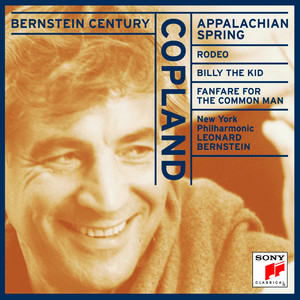 | Appalachian Spring: VIII. Coda. Moderato | Aaron Copland, Leonard Bernstein, New York Philharmonic | C Major | 0 | 8B | 106 BPM | |
 | Spring Fire, GP 153: IV. Woodland Love. Romance | Vernon Handley, Royal Philharmonic Orchestra | F♯ Minor | 0 | 11A | 68 BPM | |
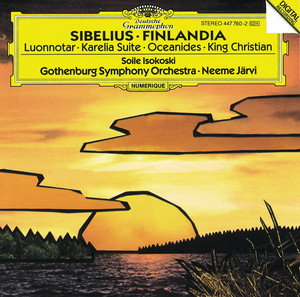 | Andante Festivo | Jean Sibelius, Gothenburg Symphony Orchestra, Neeme Järvi | G Major | 1 | 9B | 86 BPM | |
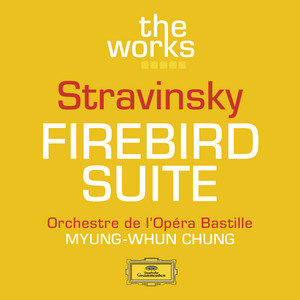 | The Firebird (L'oiseau De Feu) - Suite (1919): Finale | Igor Stravinsky, Orchestre de l'Opéra National de Paris, Myung-Whun Chung | E Major | 2 | 12B | 78 BPM | |
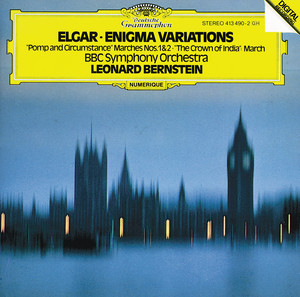 | Enigma Variations, Op. 36: Var. 1. L'istesso tempo "C.A.E." | Edward Elgar, BBC Symphony Orchestra, Leonard Bernstein | G Minor | 0 | 6A | 81 BPM | |
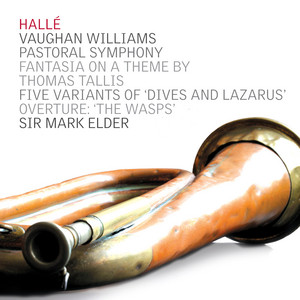 | Overture: The Wasps | Ralph Vaughan Williams, Hallé, Sir Mark Elder | B♭ Major | 1 | 6B | 137 BPM | |
 | Mors et Vita: Judex | Charles Gounod, Richard Hickox Orchestra, Richard Hickox | C Minor | 1 | 5A | 95 BPM | |
 | 3 Spirituals for Orchestra: No. 2, Kum Ba Ya | Adolphus Hailstork, Virginia Symphony Orchestra, Joann Falletta | D Minor | 0 | 7A | 172 BPM | |
 | 6 Studies in English Folksong (Version for Cello & Piano): No. 5, Andante tranquillo "The Lady and the Dragon" | Ralph Vaughan Williams, Gerald Peregrine, Antony Ingham | G Major | 0 | 9B | 84 BPM | |
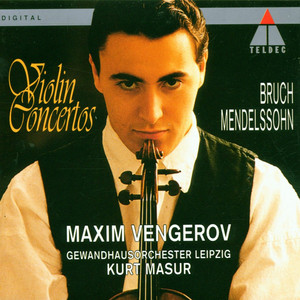 | Bruch : Violin Concerto No.1 in G minor Op.26 : III Finale - Allegro energico | Max Bruch, Maxim Vengerov, Kurt Masur, Gewandhausorchester Leipzig | G Major | 2 | 9B | 90 BPM | |
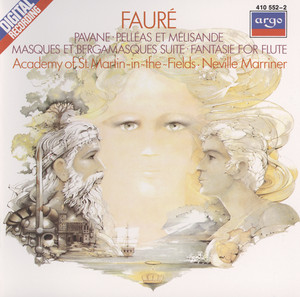 | Pelléas et Mélisande, Op.80: 3. Sicilienne | Gabriel Fauré, Academy of St. Martin in the Fields, Sir Neville Marriner | G Minor | 0 | 6A | 111 BPM | |
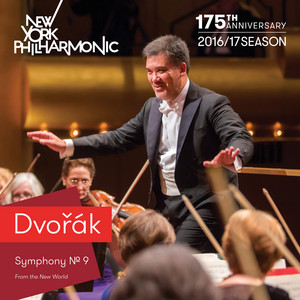 | Symphony No. 9 in E Minor, Op. 95 "From the New World": I. Adagio — Allegro molto | Antonín Dvořák, New York Philharmonic, Alan Gilbert | E Minor | 1 | 9A | 125 BPM | |
 | Serenade for String Orchestra in C Major, Op. 48, TH 48: II. Valse | Pyotr Ilyich Tchaikovsky, The Russian Virtuosi of Europe, Yuri Zhislin | G Major | 2 | 9B | 98 BPM | |
 | A Downland Suite (Arr. for String Orchestra): III. Minuet. Allegretto grazioso | John Ireland, Richard Hickox, City of London Sinfonia | A Minor | 1 | 8A | 138 BPM | |
 | Le tombeau de Couperin: 3. Menuet (version for orchestra) | Maurice Ravel, フランス国立リヨン管弦楽団, レナード・スラットキン | A Major | 1 | 11B | 107 BPM | |
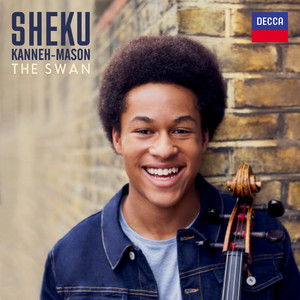 | Le Carnaval des Animaux, R. 125: 13. The Swan (Arr. Hodge for Cello, Harp & Ensemble) | Camille Saint-Saëns, Sheku Kanneh-Mason, Katherine Thomas, CBSO Cellos | G Major | 1 | 9B | 69 BPM | |
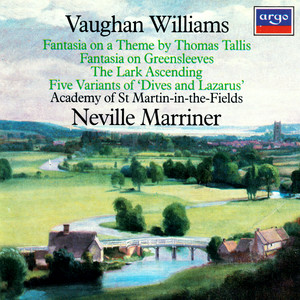 | Five Variants of "Dives and Lazarus" | Ralph Vaughan Williams, Iona Brown, Kenneth Heath, Skaila Kanga, Academy of St. Martin in the Fields, Sir Neville Marriner | B Minor | 1 | 10A | 87 BPM | |
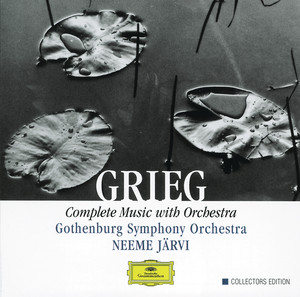 | Holberg Suite, Op. 40: III. Gavotte. Allegretto | Edvard Grieg, Gothenburg Symphony Orchestra, Neeme Järvi | G Major | 0 | 9B | 78 BPM | |
 | Scheherezade, Op. 35: III. The Young Prince and the Young Princess | Nikolai Rimsky-Korsakov, Pelin Halkacı Alkın, Sascha Goetzel, Borusan Istanbul Philharmonic Orchestra | G Major | 1 | 9B | 92 BPM | |
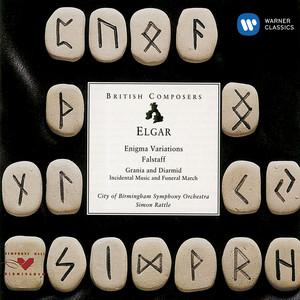 | Elgar: Variations on an Original Theme, Op. 36 "Enigma": Variation IX. Nimrod | Edward Elgar, City Of Birmingham Symphony Orchestra, Sir Simon Rattle | E♭ Major | 1 | 5B | 49 BPM | |
 | The Moon | William Lloyd Webber, English Chamber Orchestra, Julian Lloyd Webber | B♭ Major | 1 | 6B | 119 BPM | |
 | Suite from "The Victorian Kitchen Garden": I. Prelude. Andante pastorale | Paul Reade, Michael Collins, Michael McHale | B♭ Major | 0 | 6B | 67 BPM | |
 | Delius / Arr. Fenby: Koanga, Act II: La Calinda | Frederick Delius, Sir John Barbirolli, Hallé | E Minor | 4 | 9A | 116 BPM | |
| Karelia Suite, Op.11: 1. Intermezzo (Moderato) | Jean Sibelius, Gothenburg Symphony Orchestra, Neeme Järvi | E♭ Major | 1 | 5B | 182 BPM | |
| Bruch: Violin Concerto No. 1 in G Minor, Op. 26: II. Adagio | Max Bruch, Maxim Vengerov, Kurt Masur, Gewandhausorchester | E♭ Major | 1 | 5B | 110 BPM |
- ISRC
- GBXSY0800176
- Label
- L-M Records/RCA Records