- BPM
- 130
- Key
- A♭ Major
- Camelot
- 4B
The Wasps, Act I: No. 6, Chorus "If You Survive Your Sixtieth Year..." by Ralph Vaughan Williams, Henry Goodman, Sir Mark Elder, Hallé Song Details
"The Wasps, Act I: No. 6, Chorus "If You Survive Your Sixtieth Year..."" by Ralph Vaughan Williams, Henry Goodman, Sir Mark Elder, Hallé had its release date on March 6, 2006. With This song being less than two minutes long, at 1:35, we are fairly confident that this song is not explicit and is safe for all ages. Based on the duration of this song, this song duration is much smaller than the average song duration. This song is part of Vaughan Williams: The Wasps by Ralph Vaughan Williams, Henry Goodman, Sir Mark Elder, Hallé. The song's track number on the album is #9 out of 28 tracks. Based on our data, United Kingdom was the country where this track was produced or recorded. Based on our statistics, The Wasps, Act I: No. 6, Chorus "If You Survive Your Sixtieth Year..."'s popularity is unknown right now. In our opinion, the overall tone is not very danceable and projects negative sounds, such as being sad, depressed, or angry.
BPM and Tempo
Since The Wasps, Act I: No. 6, Chorus "If You Survive Your Sixtieth Year..." by Ralph Vaughan Williams, Henry Goodman, Sir Mark Elder, Hallé has a tempo of 130 beats per a minute, the tempo markings of this song would be Allegro (fast, quick, and bright). With The Wasps, Act I: No. 6, Chorus "If You Survive Your Sixtieth Year..." being at 130 BPM, the half-time would be 65 BPM with a double-time of 260 BPM.In addition, we consider the tempo speed to be pretty fast for this song. This makes this song perfect for activities such as, walking. The time signature for this track is 4/4.
Music Key
This song has a musical key of A♭ Major. Or for those who are familiar with the camelot wheel, this song has a camelot key of 4B. So, the perfect camelot match for 4B would be either 4B or 5A. While, 5B can give you a low energy boost. For moderate energy boost, you would use 1B and a high energy boost can either be 6B or 11B. Though, if you want a low energy drop, you should looking for songs with either a camelot key of 4A or 3B will give you a low energy drop, 7B would be a moderate one, and 2B or 9B would be a high energy drop. Lastly, 1A allows you to change the mood.
Want to find the BPM and music key for other songs? Check out our BPM and Key Finder page!
- Popularity
- 0%
- Loudness
- -30.568 dB
- Acousticness
- 94%
- Danceability
- 39%
- Energy
- 3%
- Instrumentalness
- 0%
- Liveness
- 12%
- Loudness
- 49%
- Speechiness
- 5%
- Valence
- 15%
Recommendations
| Track | Artist | Key | Energy | Camelot | BPM | ||
|---|---|---|---|---|---|---|---|
 | A Shropshire Lad - Rhapsody | George Butterworth, Academy of St. Martin in the Fields, Sir Neville Marriner | A♭ Major | 1 | 4B | 95 BPM | |
 | Delius: On Hearing the First Cuckoo in Spring | Frederick Delius, San Francisco Symphony, Michael Tilson Thomas | E Minor | 0 | 9A | 81 BPM | |
 | A Downland Suite: III. Minuet | John Ireland, English String Orchestra, William Boughton | B♭ Major | 0 | 6B | 116 BPM | |
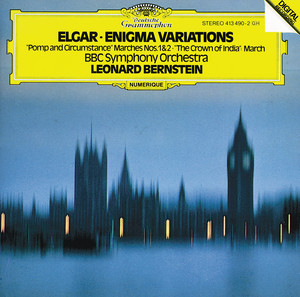 | Enigma Variations, Op. 36: Var. 1. L'istesso tempo "C.A.E." | Edward Elgar, BBC Symphony Orchestra, Leonard Bernstein | G Minor | 0 | 6A | 81 BPM | |
 | Suite No. 1, P. 109: III. Villanella: Andante Cantabile | Ottorino Respighi, RTÉ National Symphony Orchestra | B Minor | 0 | 10A | 88 BPM | |
 | Vaughan Williams: The Lark Ascending | Ralph Vaughan Williams, Sir Adrian Boult, Hugh Bean, New Philharmonia Orchestra | E Minor | 0 | 9A | 102 BPM | |
| Enigma Variations, Op. 36: Theme. Andante | Edward Elgar, BBC Symphony Orchestra, Leonard Bernstein | G Minor | 0 | 6A | 113 BPM | |
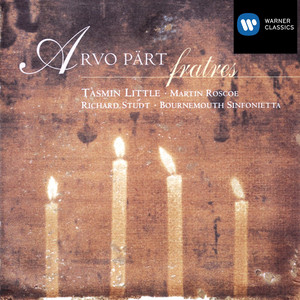 | Pärt: Spiegel im Spiegel | Arvo Pärt, Tasmin Little, Martin Roscoe | F Major | 0 | 7B | 80 BPM | |
 | Dona nobis pacem: Reconciliation | Ralph Vaughan Williams, Christina Pier, Matthew Brook, The Bach Choir, Bournemouth Symphony Orchestra, David Hill | C Major | 2 | 8B | 83 BPM | |
 | Suite in A Major "American Suite", Op. 98b, B. 190: IV. Andante | Antonín Dvořák, Luzerner Sinfonieorchester, James Gaffigan | C Major | 0 | 8B | 63 BPM | |
 | All-night Vigil, Op. 37: No. 6, Rejoice, O Virgin Mother | Sergei Rachmaninoff, Latvijas Radio koris, Sigvards Kļava | G Minor | 0 | 6A | 144 BPM | |
 | Montgomery Variations: IV. Dawn in Dixie | Margaret Bonds, Kellen Gray, Royal Scottish National Orchestra | D Minor | 0 | 7A | 168 BPM | |
 | Sospiri Op. 70 | Edward Elgar, City Of Birmingham Symphony Orchestra, Mirga Gražinytė-Tyla | F Major | 0 | 7B | 78 BPM | |
 | Symphony No. 5 In C Sharp Minor: 4. Adagietto (Sehr langsam) | Gustav Mahler, Gyeonggi Philharmonic Orchestra, Shi-Yeon Sung | F Major | 0 | 7B | 82 BPM | |
 | Scottish Rhapsody | Ronald Binge, Slovak Radio Symphony Orchestra, Ernest Tomlinson | D♭ Major | 2 | 3B | 142 BPM | |
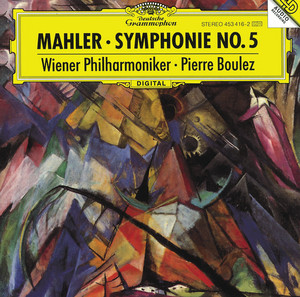 | Symphony No. 5: IV. Adagietto. Sehr langsam | Gustav Mahler, Wiener Philharmoniker, Pierre Boulez | F Major | 0 | 7B | 87 BPM | |
 | The Story Of A Flemish Farm Suite: The Flag Flutters In The Wind | RTE Concert Orchestra, Ralph Vaughan Williams | B♭ Major | 1 | 6B | 69 BPM | |
 | The Seasons, Op. 37B: IV. April. Snowdrop | Pyotr Ilyich Tchaikovsky, Neeme Järvi, Detroit Symphony Orchestra | E Major | 0 | 12B | 133 BPM | |
 | Simple Symphony, Op. 4: III. Sentimental Sarabande | Benjamin Britten, Camerata Nordica, Terje Tonnesen | G Minor | 0 | 6A | 85 BPM | |
 | Aufforderung zum Tanz, Op. 65 (Orch. Berlioz) | Carl Maria von Weber, Berliner Philharmoniker, Herbert von Karajan | D Major | 1 | 10B | 122 BPM | |
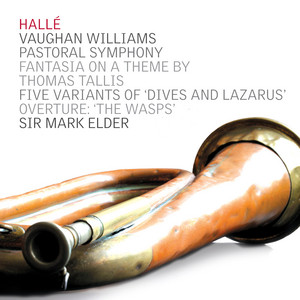 | Symphony No. 3 - 'Pastoral Symphony': II. Lento moderato | Ralph Vaughan Williams, Hallé, Sir Mark Elder | G Minor | 0 | 6A | 103 BPM | |
 | Bruch: Scottish Fantasy, Op. 46: I. (b) Adagio cantabile | Max Bruch, Itzhak Perlman, Jesús López-Cobos, New Philharmonia Orchestra | E♭ Minor | 0 | 2A | 59 BPM | |
 | Norfolk Rhapsody No. 1 in E minor | Ralph Vaughan Williams, New Queen's Hall Orchestra, Barry Wordsworth | E Minor | 0 | 9A | 80 BPM | |
 | Appalachian Spring Suite: I. Very Slowly | Aaron Copland, Los Angeles Philharmonic, Zubin Mehta | A Major | 0 | 11B | 71 BPM | |
| Two English Idylls | George Butterworth, Academy of St. Martin in the Fields, Sir Neville Marriner | C Major | 1 | 8B | 89 BPM |
- ISRC
- GBXSY0800177
- Label
- L-M Records/RCA Records